Short answer: microfiber is a type of polyester - just spun from much finer fibers and woven more tightly. That single fact explains almost every difference you'll feel between the two on a bed. Microfiber is softer, more breathable, and a touch more absorbent. Standard polyester is more durable, more wrinkle-resistant, and usually a few dollars cheaper. Below we break down where each one actually wins, who each is best for, and how to care for them so they last.
Polyester vs. microfiber at a glance
Pick microfiber if you want softness, a smoother hand-feel, and slightly better breathability - a good all-rounder for most beds in temperate or cool rooms.
Pick standard polyester if you want the cheapest, most durable option for a guest bed, kids' rooms, or a rental - and you don't mind a slightly stiffer feel.
Skip both if you sleep hot or have very sensitive skin. Cotton percale or linen will breathe better and pill less.
What polyester and microfiber actually are
Polyester
Polyester is a synthetic fiber made by reacting petroleum-derived chemicals into long polymer chains (PET - the same family as plastic bottles). For sheets, those polymer threads are spun fairly thick and tightly woven, producing a strong, wrinkle-resistant fabric that holds color and shape through repeated washing.
Microfiber
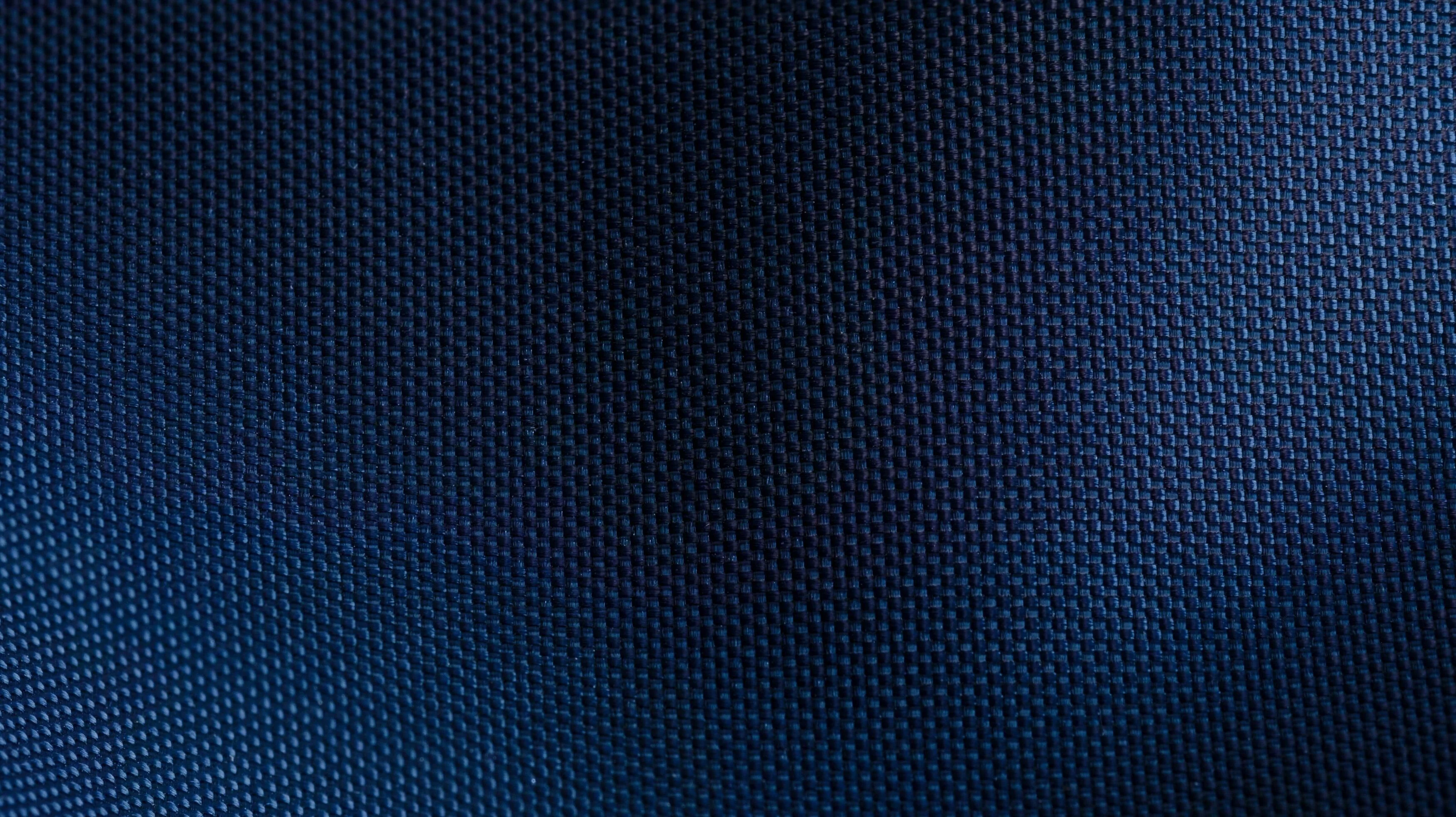
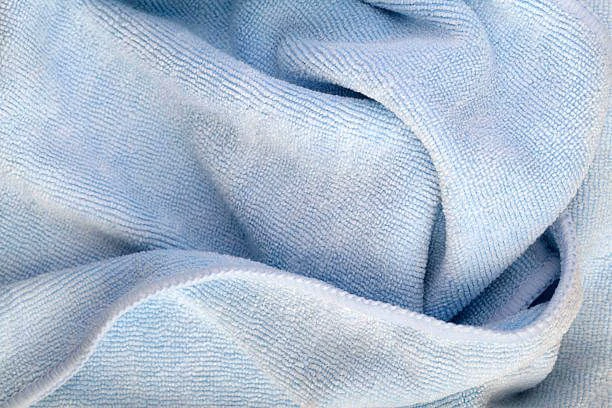
Microfiber is also polyester (sometimes blended with nylon), but the fibers are extruded much finer - under one denier per filament, finer than silk. Those ultra-thin strands give microfiber its plush, brushed feel and let the weave breathe a little better than standard polyester. When a label says "microfiber sheets," the fiber content is typically 100% polyester; the difference is fiber thickness and weave.
For a deeper sibling comparison covering nylon-family fabrics, see polyamide vs polyester for winter.
How they compare
Softness and feel
Microfiber wins. The finer fibers create a smoother, brushed surface that feels almost suede-like out of the package. Standard polyester can feel slick or papery by comparison - manufacturers sometimes brush it to fake the softness, but it usually loses that finish after a few washes. Microfiber's softness, by contrast, tends to deepen with the first 2-3 washes.
Breathability and temperature
Microfiber is the better choice for most sleepers, but neither material is great for hot sleepers. Microfiber's looser weave lets a little more air through, while standard polyester's tighter weave traps heat. If your bedroom runs warm, look specifically for "brushed" microfiber or, better, switch to cotton percale.
Durability
Standard polyester wins on raw toughness - thicker fibers resist abrasion, stretching, and pilling longer. Microfiber's thinner threads are more vulnerable to snags and pilling around the foot of the bed, especially under regular use. With weekly washing, expect a quality microfiber set to last 2-3 years and a polyester set 3-5 years.
Care and washing
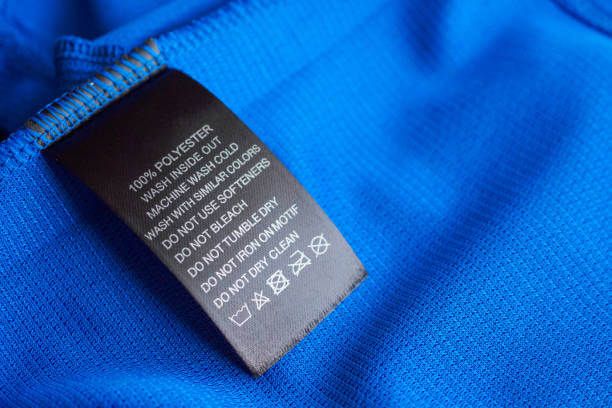
Both are easy: machine-wash cool or warm, tumble-dry low. Skip hot water and high heat - heat melts the fibers, causing pilling, shrinkage, and a permanent shine. Avoid fabric softener; it coats the synthetic fibers and kills moisture-wicking. Wash before first use to release the manufacturing finish.
Cost
Both are budget-friendly. A queen polyester sheet set typically runs $20-$40; microfiber $25-$60. Either is dramatically cheaper than equivalent cotton or linen.
Skin sensitivity and allergies
Both are tightly woven enough to resist dust mites, which is a real plus for allergy-prone sleepers. The trade-off: synthetic fibers don't absorb sweat the way cotton does, so if you have eczema or very reactive skin, the trapped moisture can be a trigger. Microfiber's softer surface is generally gentler than standard polyester. Microfiber is also noticeably more absorbent - fiber suppliers measure it as capable of holding up to seven times its own weight in water - which is why it pulls moisture off skin faster than a thicker polyester weave, but also why it can feel damp longer if you sweat heavily overnight.
Microplastics: the modern caveat
Both materials shed microplastic fibers in the wash - that's the trade-off you accept with any synthetic textile. If that's a concern, a Guppyfriend wash bag or a Cora Ball catches a meaningful share of the shed fibers. For shoppers who want to avoid the problem entirely, cotton or linen sheets are the natural-fiber alternatives.
Need bedding that pairs with your mattress?
So which should you buy?
- Best all-rounder: microfiber. Softer, breathes a bit better, costs only marginally more.
- Tightest budget: standard polyester. Hard to beat under $30 a set.
- Guest beds and kids' rooms: polyester. Durable, easy to wash, replaceable cheaply.
- Hot sleepers: neither. Pick cotton percale or linen instead.
Sheets only solve so much. If you're waking up sweaty or sore, the mattress under them matters more than the fabric on top. The team at Banner Mattress can walk you through cooling hybrids, supportive foams, and the bedding that actually pairs with each - stop by any of our Southern California showrooms or shop online.
Microfiber sheets - pros
- Softer, smoother hand-feel
- Better breathability than standard polyester
- Wrinkle-resistant; dries quickly
- Resists dust mites - good for allergy sufferers
Microfiber sheets - cons
- Pills more easily than standard polyester over time
- Still traps heat for hot sleepers
- Sheds microplastics in the wash
Standard polyester sheets - pros
- Most durable synthetic option - resists pilling and stretching
- Cheapest sheet category at most retailers
- Holds color and shape through many washes
- Wrinkle- and stain-resistant
Standard polyester sheets - cons
- Stiffer, less luxurious feel out of the package
- Tight weave traps heat - bad for hot sleepers
- Can feel slick or papery on bare skin
Frequently asked questions
Is microfiber the same as polyester?
Microfiber is a subtype of polyester. The fiber content is usually 100% polyester (sometimes blended with nylon), but the individual filaments are spun much finer - under one denier - which is what gives microfiber its plush, smoother feel and slightly better breathability than standard polyester.
Are polyester or microfiber sheets better for hot sleepers?
Microfiber breathes a little better than standard polyester, but neither is great for hot sleepers. If you wake up sweaty, cotton percale or linen will outperform both. Among synthetics, look for "brushed" microfiber with an open weave.
Do microfiber sheets pill?
Yes, more than standard polyester. The thinner fibers are easier to abrade, especially around the foot of the bed. Washing inside-out, skipping fabric softener, and tumble-drying on low slows it considerably.
How long do polyester and microfiber sheets last?
With weekly washing, expect quality microfiber to last 2-3 years and standard polyester 3-5 years. Both fail by pilling, fading, or losing softness rather than tearing outright.
Can I wash microfiber and polyester sheets in hot water?
No. Heat melts synthetic fibers, causing permanent pilling, shrinkage, and a shiny finish. Wash cool or warm, tumble-dry low, and skip fabric softener - it coats the fibers and kills moisture-wicking.
Why are people avoiding polyester sheets?
Two reasons dominate. First, polyester's tightly intertwined weave is not very breathable, which traps body heat and feels sweaty in warm or humid bedrooms. Second, polyester (and the microfiber spun from it) sheds microplastic fibers in every wash, which is the trade-off you accept with any synthetic textile. Shoppers who want to avoid both issues usually move to cotton percale, linen, or a bamboo-based fabric.
Does polyester feel like microfiber?
Not really. Standard polyester has thicker fibers, so it tends to feel stiffer, slicker, and a little rough - especially when new, before a few washes soften it. Microfiber uses the same polyester base spun under one denier per filament, finer than silk, which is why it feels silk-like and brushed instead of papery. If a label reads "100% polyester" but the sheet still feels plush, it is almost certainly microfiber-grade polyester rather than standard.