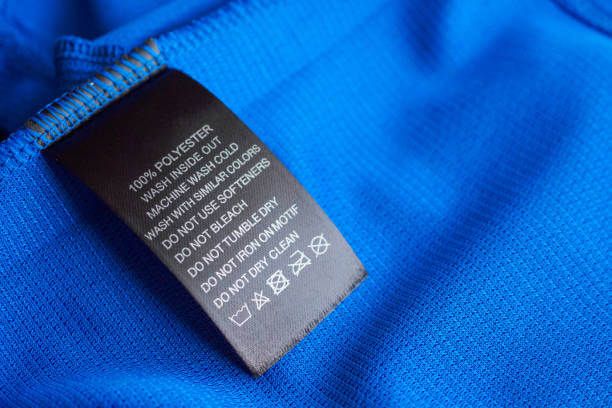
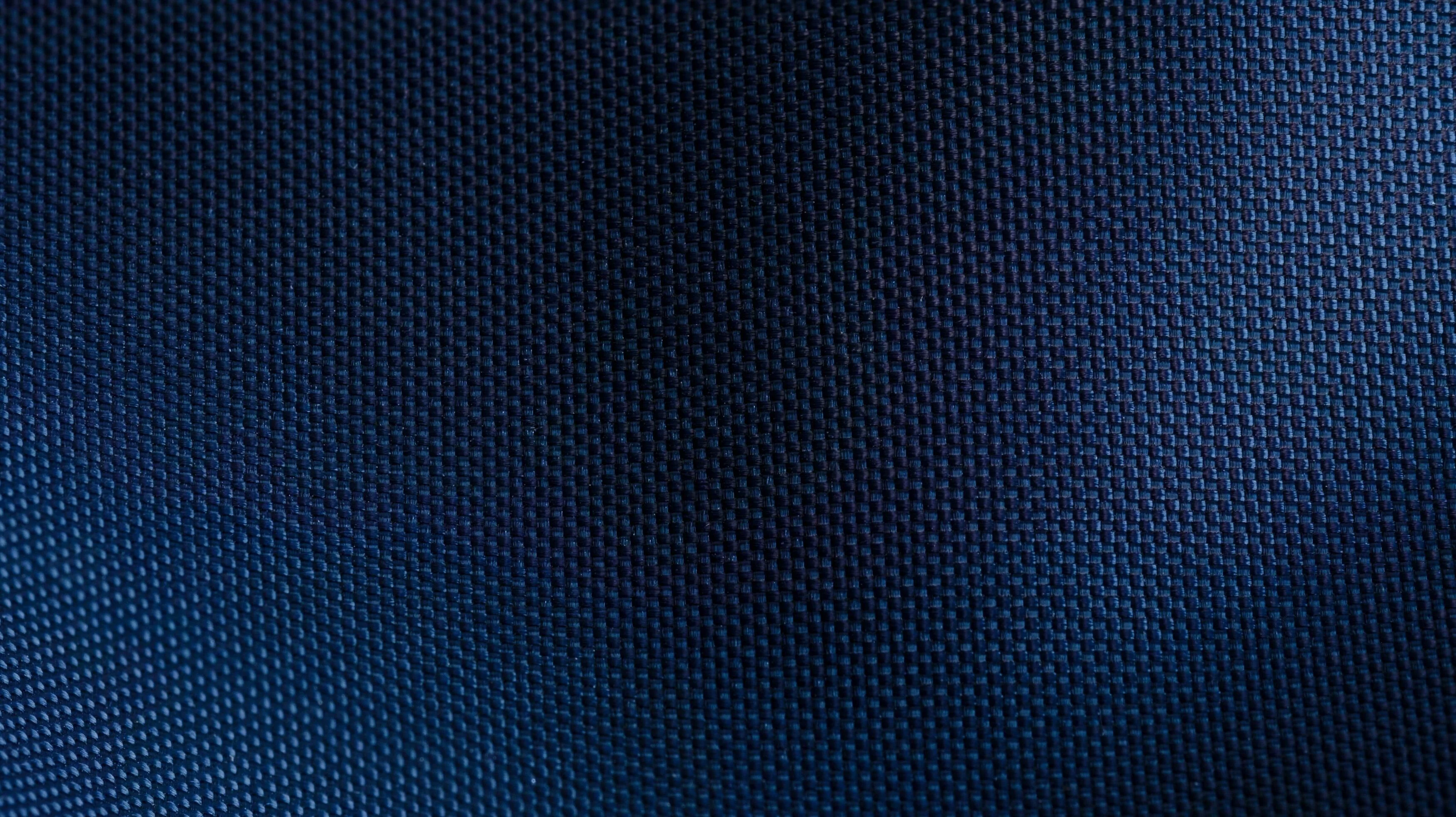
Polyester and polyamide (the textile name for the nylon family) are the two synthetic fibers you bump into constantly - on care labels for sheets, leggings, jackets, swimwear, and athletic tees. They look similar on a tag, but they behave differently on your skin and in the laundry.
Short answer: choose polyester for moisture-wicking, fast drying, color retention, and lower cost. Choose polyamide (nylon) for softness, stretch, and abrasion resistance - at a price premium and with slower drying.
What each fiber actually is
Polyester (PET)
Polyester is a polyethylene terephthalate (PET) fiber - the same plastic family as a clear soda bottle, spun into yarn. It was commercialized in the 1950s and is now the most-used textile fiber in the world. PET is hydrophobic (it absorbs ~0.4% of its weight in moisture), heat-set easily, and resists stretching, mildew, and most stains.
Polyamide (nylon family)
Polyamide is the umbrella term for fibers built on repeating amide bonds - most commonly nylon 6 and nylon 6,6, invented at DuPont in the late 1930s. Polyamide regains roughly 4-5% moisture, has higher tensile and abrasion resistance than polyester, and stretches and recovers more naturally, which is why it dominates hosiery, swimwear, and yoga blends.
Head-to-head: 8 properties that matter
Moisture management
Polyester wicks faster and dries faster because it barely absorbs water (~0.4% moisture regain). Polyamide regains 4-5% - it pulls sweat off your skin but holds onto more of it, so a wet nylon shirt feels heavier and dries slower than a wet polyester one. For high-sweat running, polyester wins; for cooling-by-evaporation feel, nylon can feel pleasant on the skin until it gets saturated.
Breathability
Both fibers are non-breathable in the chemistry sense. Real-world breathability comes from the knit or weave, not the fiber. Loose-knit polyester jersey breathes better than tight-woven nylon ripstop, and vice versa. Don't pick by fiber name - check the construction.
Stretch and recovery
Polyamide has more natural stretch and better recovery (snap-back) than polyester. That's why nearly all premium leggings, swimwear, and shapewear use a nylon-spandex blend rather than poly-spandex.
Durability and abrasion
Polyamide is roughly 20-30% more abrasion-resistant than polyester at the same denier, which is why backpacks, climbing harnesses, and parachute fabric default to nylon. Polyester resists pilling and UV degradation better, so outdoor flags, sail covers, and curtains usually choose PET.
Softness and hand
Polyamide feels silkier and more drapey out of the bag. Polyester can feel crisp or slightly plasticky unless brushed or microfiber-finished - modern microfiber polyester sheets close most of that gap.
Color retention
Polyester is dyed at high temperature with disperse dyes that bond inside the fiber, so it holds color through repeated washes and sun exposure. Nylon dyes more like wool with acid dyes - vivid up front, but darker shades tend to fade faster in UV.
Warmth
Both fibers insulate by trapping air, not by being warm themselves. Polyester is the standard base layer (dries fast against skin); polyamide is more common as a windproof outer face. A wet nylon shell loses warmth fast, so always pair it with a hydrophobic layer in cold weather.
Cost
Polyester is roughly 30-50% cheaper per kilogram of yarn than polyamide. That price gap is most of the reason fast-fashion and budget bedding default to polyester.
Polyester vs polyamide at a glance
Moisture regain: polyester ~0.4% · polyamide 4-5%.
Drying speed: polyester fast · polyamide slower.
Stretch & recovery: polyester low (needs spandex) · polyamide higher and more natural.
Abrasion resistance: polyester good · polyamide ~20-30% better.
UV / color fastness: polyester excellent · polyamide fades faster.
Softness / hand: polyester crisper · polyamide silkier.
Typical cost: polyester lower · polyamide 30-50% higher.
Best at: polyester for sheets, tees, base layers, and outdoor textiles · polyamide for leggings, swimwear, hosiery, and packs.
Polyester pros
- Hydrophobic - wicks and dries quickly
- Excellent UV and wash colorfastness
- Lower cost per yard
- Resists pilling and stretching out
- Easy to recycle from PET bottle stock
Polyamide pros
- Softer, silkier hand against skin
- More natural stretch and snap-back
- Higher abrasion resistance for packs and harnesses
- Better at form-fitting garments without spandex
- More expensive and slower to dry
Sustainability and microplastics
Both fibers are fossil-fuel derived and shed microplastics every wash. Polyester has a mature recycling stream - recycled PET (rPET) from bottles is widely available and can cut energy use roughly 30-50% versus virgin polyester. Polyamide recycling exists (Econyl from fishing nets and post-consumer waste, for example) but is less common and more expensive. If you care about lifecycle impact, look for rPET or recycled-nylon blends and use a microfiber-catching wash bag.
How to wash both fibers
Care is similar but not identical. Both melt under high heat, so keep dryers low. The big difference: polyamide is more sensitive to UV and chlorine, so swimsuits and outdoor gear age faster with sun and pool exposure.
Wash cool to warm on a gentle cycle. Skip chlorine bleach (use oxygen bleach if needed). Tumble dry low or hang to dry. Iron only on synthetic-low; both fibers will glaze or melt above ~300°F. Store nylon swimwear out of direct sun.
Polyester vs polyamide FAQ
Is polyamide just a fancy word for nylon?
Functionally for clothing, yes. Polyamide is the chemistry family; nylon is the most common textile member of that family (specifically nylon 6 and nylon 6,6). If a hangtag says 'polyamide,' it almost always means nylon.
Which is better for hot sleepers in sheets?
Neither is ideal - both trap heat compared to cotton, linen, or Tencel. Of the two, microfiber polyester sheets dry sweat faster and feel less clammy. Polyamide sheets are uncommon and tend to feel hotter.
Does polyester make you sweat more than polyamide?
Not really - they're similar. The bigger driver is fabric weight and weave. A lightweight polyester knit will feel cooler than a tight nylon shell, regardless of fiber.
Which fades faster in the sun?
Polyamide. Nylon's acid-dye bond breaks down under UV faster than polyester's disperse dye, especially in dark colors.
Can you mix polyester and polyamide in the same load?
Yes. Both want cool/warm water, gentle cycle, low-heat drying. Just keep them away from chlorine bleach and high heat.
Which is more eco-friendly?
Recycled polyester (rPET) currently has the most accessible sustainability story. Recycled nylon (Econyl and similar) is available but rarer and pricier. Both still shed microfibers - a wash bag helps.
Bottom line
Pick polyester when you need fast drying, color retention, low cost, and easy care - sheets, tees, base layers, and most household textiles. Pick polyamide when you need stretch and snap-back without spandex, a silkier hand, or maximum abrasion resistance - leggings, swimwear, hosiery, and high-wear gear. For high-performance activewear, the two often show up together: nylon for stretch, polyester for moisture management.