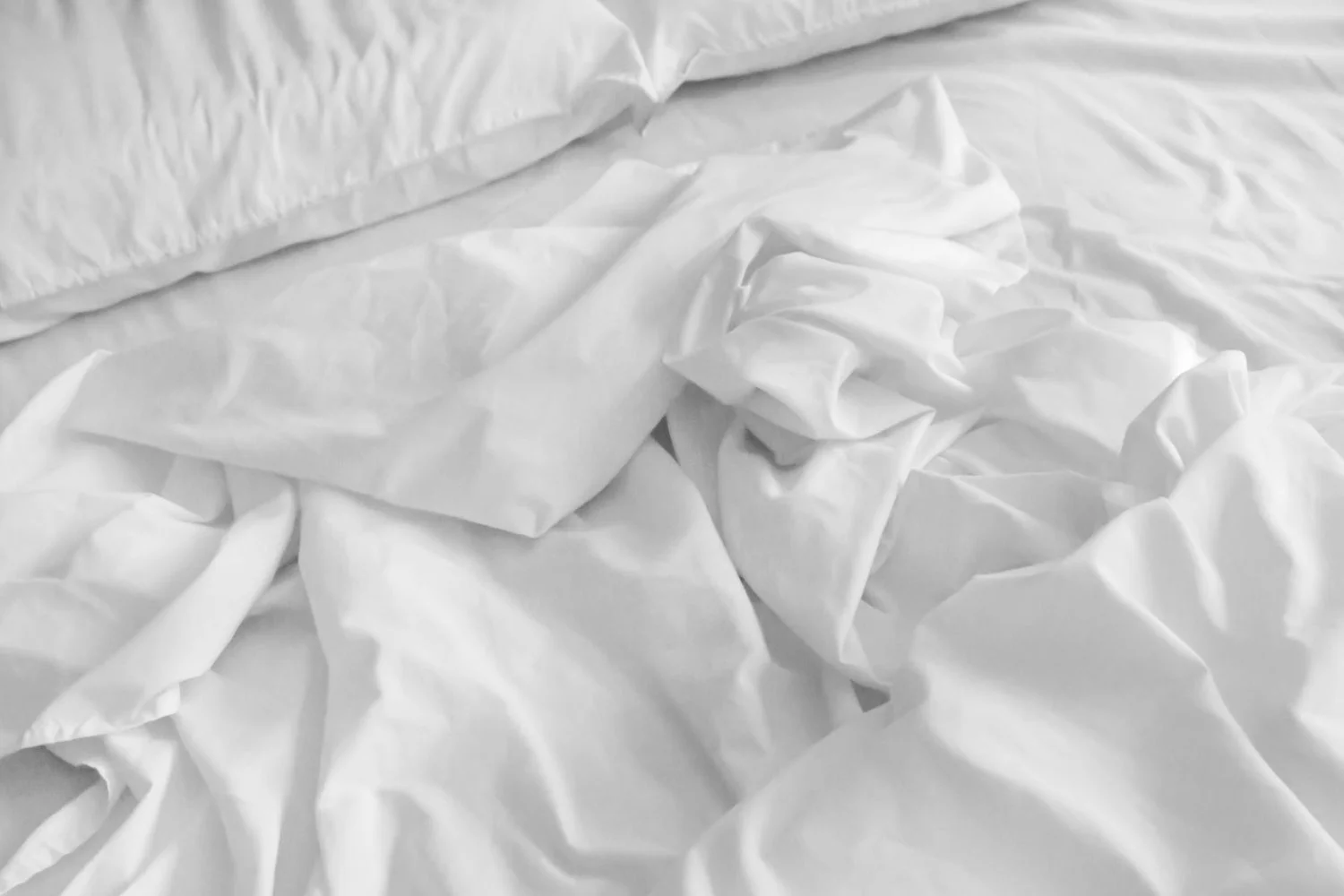
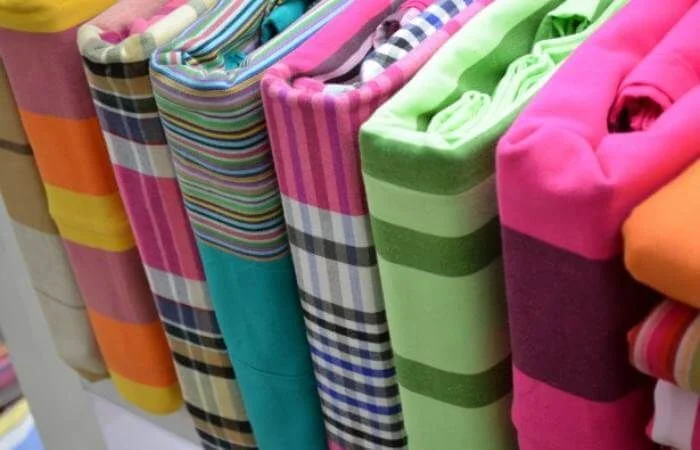
There's a reason that first night in a well-run hotel feels better than any night at home: the bed. Cool, crisp, weightless sheets that smell faintly of starch and look almost too white to touch. The good news is that the "hotel sheet feel" isn't a trade secret - it's a stack of deliberate choices about fabric, weave, thread count, and laundering that anyone can replicate at home once you know what to copy.
Below is the short answer up front, followed by a deeper breakdown of the materials hotels actually buy, what thread count really tells you, and how to get the same crisp result out of a regular washing machine.
The Short Answer: Why Hotel Sheets Feel So Comfortable
Hotel sheets feel comfortable because they combine long-staple cotton (Egyptian, Pima, or Supima), a percale or sateen weave in the 250-600 thread count range, and commercial laundering with high heat, no fabric softener, and rotary ironing. Hotels then replace and rotate their linens far more often than most households wash theirs. Every one of those factors is reproducible at home - but you have to copy all of them, not just the thread count on the package.
Why Hotel Bed Sheets Feel Different From Yours
A few things make hotel beds feel like a different category of object:
- Frequent, aggressive cleaning. Hotel linens are washed at much higher temperatures than a home machine usually runs, with industrial detergents and no residual softener coating the fibers. That high-heat cycle is what strips body oils, lotions, and detergent residue - the invisible film that makes home sheets feel "fine" instead of fresh.
- All-white linens. White isn't just aesthetic; it lets hotels bleach and sanitize freely without worrying about color fade. The psychological effect - clean, neutral, calm - is a bonus.
- Sensible thread counts. Most hotels run in the 250-400 range; luxury properties push to 600-800. Anything above 800 in a real, single-ply fabric is uncommon and usually marketing.
- Materials chosen for the laundry room, not the showroom. The sheets have to survive hundreds of industrial wash cycles. That filter alone eliminates most of what you'd find in a discount aisle.
- Rotary ironing. Damp sheets pressed through a heated industrial mangle come out flat, smooth, and crisp in a way home dryers don't replicate. This is the single biggest "missing step" in most home setups.
The Materials Hotels Actually Use
Material is the foundation. A "1000 thread count microfiber" sheet doesn't behave like a 300-count Egyptian cotton percale no matter what the label promises.
Egyptian Cotton
Grown in the Nile Delta, Egyptian cotton produces unusually long, fine fibers. Long staples mean fewer fiber ends sticking out of the yarn, which translates to a smoother hand, better breathability, and excellent moisture-wicking. It's the default for upscale hotels for a reason.
Pima and Supima Cotton
American Pima - and its trademarked premium grade, Supima - uses extra-long-staple fibers averaging about 1.3 inches versus 0.7 inches for standard upland cotton. The result is stronger yarn, less pilling, and a softer feel that holds up to repeated washing.
Cotton Sateen
Sateen is a weave, not a fiber. Cotton yarns are mercerized (treated with lye and acid) to swell the fiber and lock in luster, then woven with more vertical than horizontal threads. The result is a silky, slightly heavy sheet with a soft drape - great in cooler rooms or for sleepers who prefer a "warm" feel.
Cotton Percale
Percale is a plain one-over-one-under weave with a minimum 180 thread count. It feels crisp, matte, and lightweight - closer to a freshly pressed dress shirt than to silk. Most "that hotel feel" descriptions are actually describing percale. It's the right pick for hot sleepers, warm climates, and anyone who likes a cool, breathable bed.
Linen
Linen is made from flax fibers and is one of the most durable natural textiles in the world. It feels coarse at first and softens with every wash. Thread counts are typically lower because the yarn is heavier - don't compare a 180-count linen sheet to a 400-count cotton percale and expect it to mean the same thing.
Mattress Toppers (the Hidden Layer)
A piece most home sleepers miss: hotel beds are almost always layered with a substantial topper - usually latex, memory foam, or a feather pad - beneath the sheets and a quilted mattress protector. That layer is what gives the bed its plush-but-supportive feel and is doing as much work as the sheets themselves. If your sheets are right but the bed still feels off, the topper is likely what's missing.
What Thread Count Really Tells You
Thread count is the number of vertical and horizontal threads per square inch. It's useful, but only inside its lane:
- Below 200: Usually too thin and rough for most preferences.
- 200-400: The hotel sweet spot. Breathable, durable, and cool to the touch - especially in percale.
- 400-600: Plusher and slightly heavier; common in sateen.
- 600-800: Genuinely luxurious in long-staple cotton; can feel hot.
- Above 800: Almost always inflated through multi-ply yarn counting. Treat with skepticism.
Match the number to your climate and weave: low for summer, mid-to-high for winter, and always pair the count with a known fiber. A 300-count Supima percale will outperform a 1000-count mystery-blend every time.
How to Get the Hotel Sheet Feel at Home
You can get 90% of the way there without industrial equipment. The trick is to copy the whole recipe, not just one part of it.
- Buy long-staple cotton in percale or sateen. Look for "100% Egyptian cotton," "Pima," or "Supima." A 300-400 thread count percale is the safest first purchase.
- Go white or neutral. Beyond the aesthetic, white sheets can be bleached and sanitized at high temperatures without ruining the color.
- Wash on hot, skip the softener. Fabric softener coats fibers, kills breathability, and is the main reason home sheets feel limp after a few months. Use a mild detergent and an extra rinse instead.
- Wash weekly. Hotels swap linens between guests; the home equivalent is a hard weekly cycle. Body oil and perspiration build up faster than most people realize.
- Iron - or at minimum tumble out damp and pull the sheet tight. The crisp hand-feel comes from heat pressing slightly damp fabric flat. A steam iron on the top sheet and pillowcases gets surprisingly close to a rotary mangle finish.
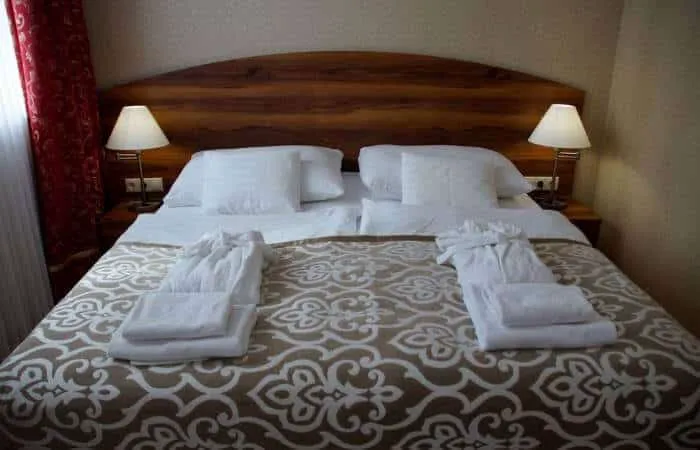
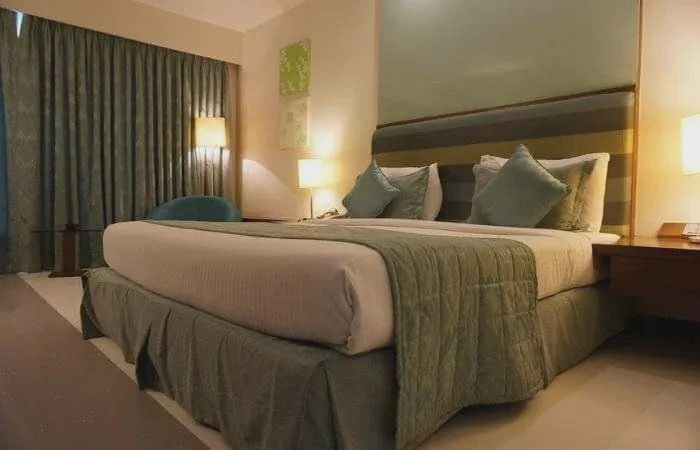
- Layer the bed. Mattress protector, topper, fitted sheet, flat sheet, light duvet, overfilled pillows. Tuck the flat sheet tight at the foot. That tight, layered build is half the hotel illusion.
Frequently Asked Questions
What thread count do hotels actually use?
Most hotels use sheets in the 250-400 thread count range, with luxury properties going up to 600-800. Anything above 800 in a real single-ply weave is uncommon and usually a marketing inflation. Thread count only matters when paired with a known long-staple fiber like Egyptian, Pima, or Supima cotton.
Percale or sateen - which is the true hotel sheet?
Both are used, but percale is what most people mean when they describe the cool, crisp hotel feel. Percale is a one-over-one-under plain weave that is lightweight and breathable. Sateen has more threads on the surface, giving it a silkier hand and slightly heavier drape. Hot sleepers should pick percale; cooler-room sleepers often prefer sateen.
Why are hotel sheets always white?
White lets hotels bleach and sanitize linens at high temperatures without worrying about color fade. It also visibly shows cleanliness, which is part of the hospitality signal. The cool, neutral look is a side benefit that helps the room feel calmer.
Can I get the hotel feel without industrial laundry equipment?
Largely yes. Buy long-staple cotton percale, wash on hot with no fabric softener, and iron or steam the top sheet and pillowcases while slightly damp. The ironing step is the single biggest factor most home sleepers skip - it is what produces the crisp, smooth surface.
Is high thread count always better?
No. Above roughly 600-800 in a single-ply weave, the gains are minimal and the sheet gets denser and hotter. Brands often inflate thread counts by counting multi-ply yarns as multiple threads. A 300-count Supima percale will outperform most 1000-count mystery-blend sheets.
How often should I wash my sheets to keep that fresh-hotel feel?
Weekly. Body oils, perspiration, and skincare residues build up faster than most people realize and are what makes home sheets gradually feel flat. Hotels replace linens between guests; a weekly hot wash is the closest home equivalent.