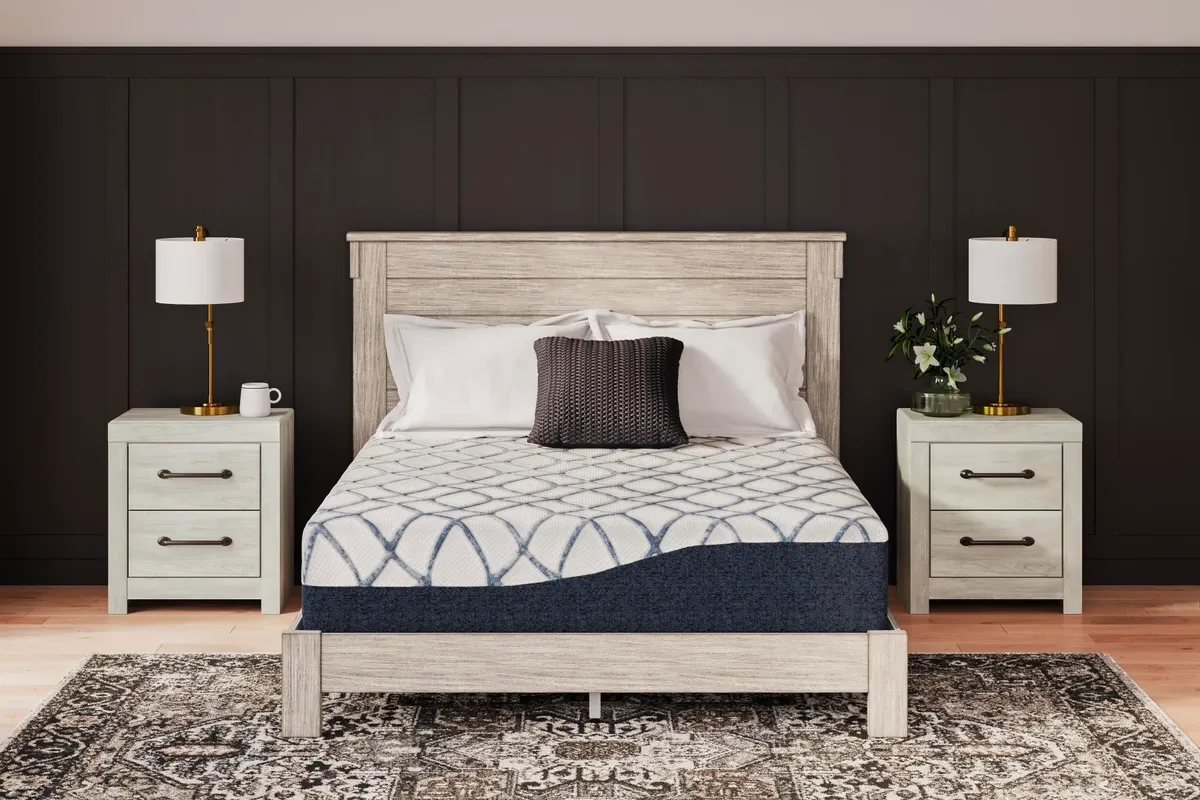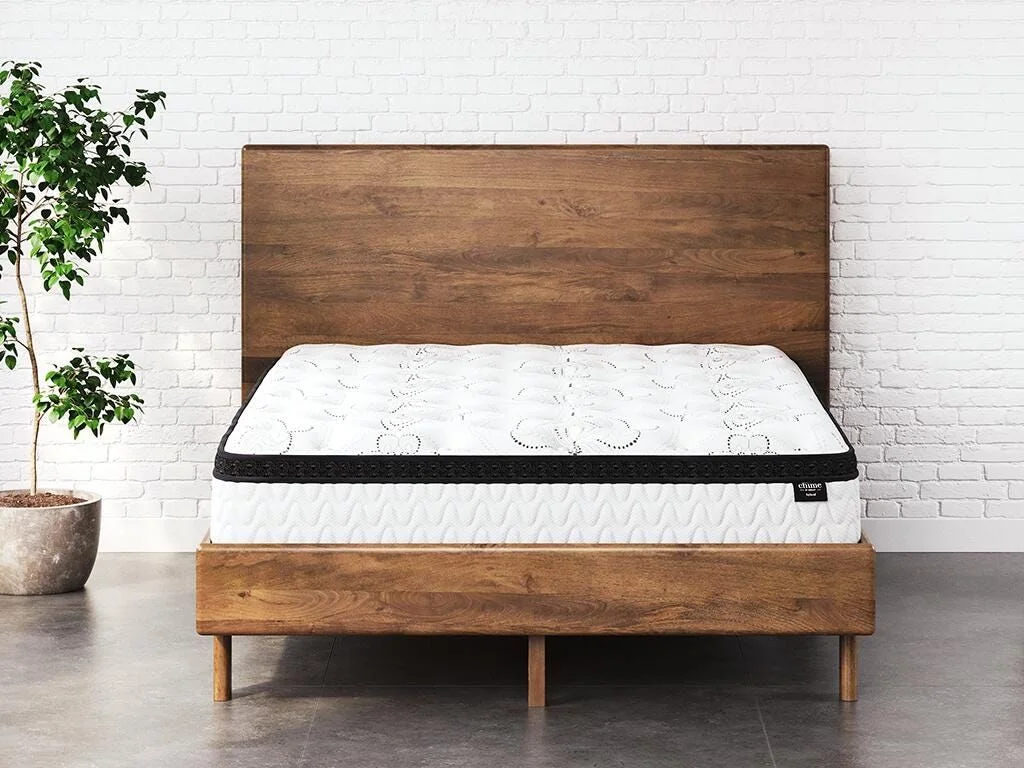
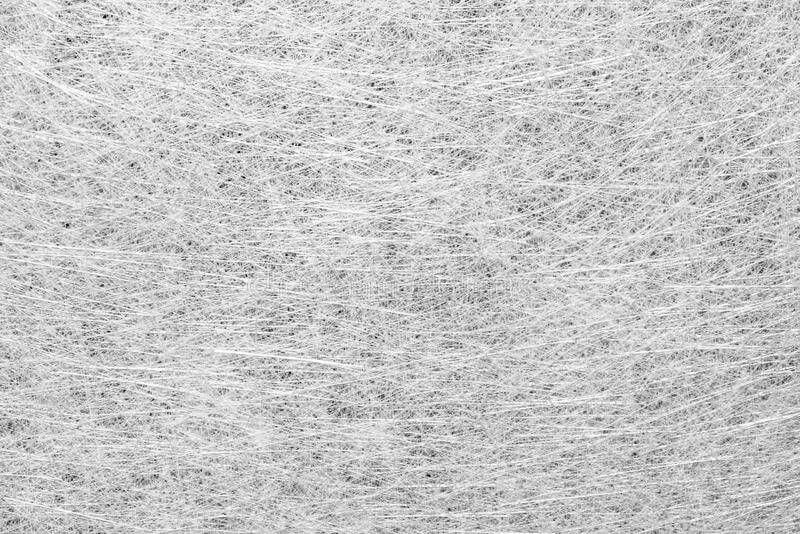
Short answer: the Ashley Sleep mattresses sold in stores and online today - Chime, Gruve, Align, and Essentials - are marketed by Ashley as fiberglass-free. Older Chime and Gruve units manufactured through 2023, however, did use fiberglass as a fire barrier, which is the source of years of complaints, viral TikTok videos, and a class-action settlement involving sister brands like Nectar and DreamCloud announced in May 2026.
If you bought your Ashley mattress before 2024 or you are shopping a clearance unit, assume fiberglass is possible until you verify it on the law tag. Below is the model-by-model status as of 2026, how to read the tag, what to do if your cover is already torn, and which Ashley alternatives skip fiberglass entirely.
Quick answers
Do new Ashley Sleep mattresses contain fiberglass?
No. Ashley Furniture states on its current product pages that all Ashley Sleep lines (Chime, Gruve, Align, Essentials) are fiberglass-free as of 2024 and later. The fire barrier is now a knit sock made from rayon and other inherent flame-retardant fibers.
Did older Ashley mattresses contain fiberglass?
Yes. Ashley Chime and some Gruve hybrid models manufactured through 2023 used a fiberglass inner sock as their fire barrier. This is what most older Reddit threads, lawsuits, and TikTok cleanups are referring to.
How do I tell if my specific mattress has fiberglass?
Read the white law tag sewn into the side of the mattress. If the fiber content lists 'glass fiber' or anything containing 'glass,' it has fiberglass. Do not unzip the cover to check - that is what releases fibers.
Is Ashley part of the 2026 fiberglass class-action settlement?
The May 2026 settlement covered by Forbes and others is against Resident Home (Nectar, DreamCloud, Siena), not Ashley. Ashley has faced its own separate consumer suits over Chime fiberglass; check sleepline.com for the latest status if you owned an affected unit.
Ashley mattress fiberglass status by line (2026)
Ashley splits its in-house mattresses into four current lines plus discontinued SKUs that still circulate on the secondary market. Here is what each one uses for fire-barrier compliance today, based on Ashley's own product pages and third-party teardowns.
Chime (memory foam and hybrid)
Current units: fiberglass-free. Ashley's Chime FAQ explicitly states 'Chime mattresses do not contain fiberglass.' Pre-2024 units: contained a fiberglass inner sock. This is the line driving most of the older lawsuit chatter.
Gruve (memory foam)
Current units: fiberglass-free per Ashley's 2024+ product spec sheets. Pre-2024 units: some Gruve 12 and 14 inch hybrid SKUs used fiberglass; check the law tag.
Align (hybrid)
Newer line, fiberglass-free since launch. Uses a knit fire sock.
Essentials (innerspring and budget)
Current units are fiberglass-free. Innerspring construction makes a barrier sock unnecessary in many SKUs because the steel itself is part of the fire-resistance system.

How to check your Ashley mattress for fiberglass in 60 seconds
You do not need to unzip anything. Every U.S. mattress has a federally required law tag that lists fiber content by percentage. Here is the safe checklist:
- Find the white law tag sewn into one of the long sides near the foot of the mattress.
- Look at the 'Fiber Content' section. Look for the words 'glass fiber,' 'fiberglass,' or 'glass.' Any of these means yes.
- If the tag lists only rayon, polyester, cotton, polyethylene, or 'inherent FR rayon,' you are fine.
- Note the manufacture date. Ashley Chime and Gruve made before January 2024 may still contain fiberglass even if the tag is unclear - call Ashley customer service with the SKU.
- Do NOT remove the cover to check visually. The whole point of the cover is to keep the fibers contained.
Why fiberglass got used
- Cheap, abundant fire barrier that meets federal flammability standard 16 CFR 1633
- Inert when sealed inside the cover - no off-gassing, no health risk
- Lets manufacturers hit aggressive sub-300 dollar queen price points
Why owners hate it
- If the cover is unzipped or torn, fibers can shed everywhere and embed in carpet, HVAC, and clothes
- Causes skin irritation, rashes, and respiratory irritation on contact
- Cleanup typically requires replacing soft furnishings and sometimes the mattress itself
- Older Ashley covers were not labeled 'do not remove' clearly enough - many owners unzipped without knowing
What to do if your Ashley mattress does have fiberglass
Containment beats removal. If the cover is intact, the safest move is to leave it alone and add a sealed mattress encasement on top. If fibers are already loose, treat it like asbestos cleanup - slow, sealed, and disposable.
If the cover is still zipped
- Leave the inner cover on. Do not unzip it for any reason - not even to wash it.
- Add a fully-sealed waterproof mattress encasement (six-sided zipper) over the whole mattress.
- If you want to return it, contact Ashley customer service with your order number and law tag photo before doing anything else.
If the cover has been unzipped or torn
- Stop using the bedroom. Close the door, turn off ceiling fans, shut HVAC vents to that room.
- Wear long sleeves, pants, gloves, an N95 mask, and safety glasses before re-entering.
- Wrap the mattress in plastic sheeting and tape it shut before moving it. Do not vacuum with a household vacuum - the fibers pass through standard filters and re-enter the air.
- Use a HEPA shop-vac on hard floors and a wet wipe on hard surfaces. Bag and discard contaminated soft furnishings (pillows, sheets, sometimes carpet) - they cannot be reliably cleaned.
- Document everything (photos of tag, photos of fibers, receipts for replacements). You will need it for a return, refund, or class-action claim.
Ashley alternatives if you want zero fiberglass risk
If you are still shopping and want to skip the question entirely, the safest path is a brand that has never used fiberglass. That rules out most ultra-budget online mattresses and points you toward brands using wool, silica, or rayon fire barriers from day one. Saatva, Helix, Tempurpedic, and Avocado all qualify. Even within Ashley, sticking to a 2024+ unit bought direct (not a remaindered clearance unit) gets you a fiberglass-free mattress at a budget price point.
Need a fiberglass-free mattress recommendation?
Frequently asked questions
Will fiberglass exposure cause cancer?
There is currently no published evidence linking fiberglass insulation or mattress-grade fiberglass to cancer in humans. The known harms are skin, eye, and respiratory irritation from physical contact with the fibers - symptoms that resolve once exposure ends.
Can I just put a mattress protector on top to be safe?
A regular pad is not enough. Use a six-sided sealed encasement that fully zips around the entire mattress. That keeps fibers contained even if the inner sock is damaged.
Does Ashley still sell pre-2024 fiberglass mattresses?
Not as new inventory in their main retail channels. But clearance, return-pallet, and third-party reseller listings on Amazon and elsewhere can still be older stock. Check the manufacture date on the law tag before buying anything secondhand.
Should I throw out my older Ashley Chime?
Not necessarily. If the cover is intact and zipped, the fiberglass stays sealed and is not actively harmful. Add an encasement and continue using it. If the cover is torn or already unzipped, follow the cleanup steps above and consider replacement.