Cigarette smell on a mattress is not just trapped air - it is thirdhand smoke: tar, nicotine, and toxicants that have bonded to the foam, ticking, and dust inside the bed. Air fresheners just mask it, and most quick-tip lists skip the steps that actually break that bond. Below is the full method that works on memory foam, hybrid, and innerspring mattresses, in the order that matters.
Time required: 1 to 3 days, mostly hands-off. Cost: under $15 in supplies.
Why cigarette smell sticks to a mattress
Mattress foams and fabric covers are porous and oil-friendly. Smoke deposits cling there for months to years - the California Department of Public Health and Thirdhand Smoke Resource Center classify this residue as a real indoor-air contaminant, not just a nuisance odor. It re-emits whenever the mattress warms with body heat or humidity. That is why a 'good airing' alone never fully works on a smoker's mattress.
Before you start: what you'll need
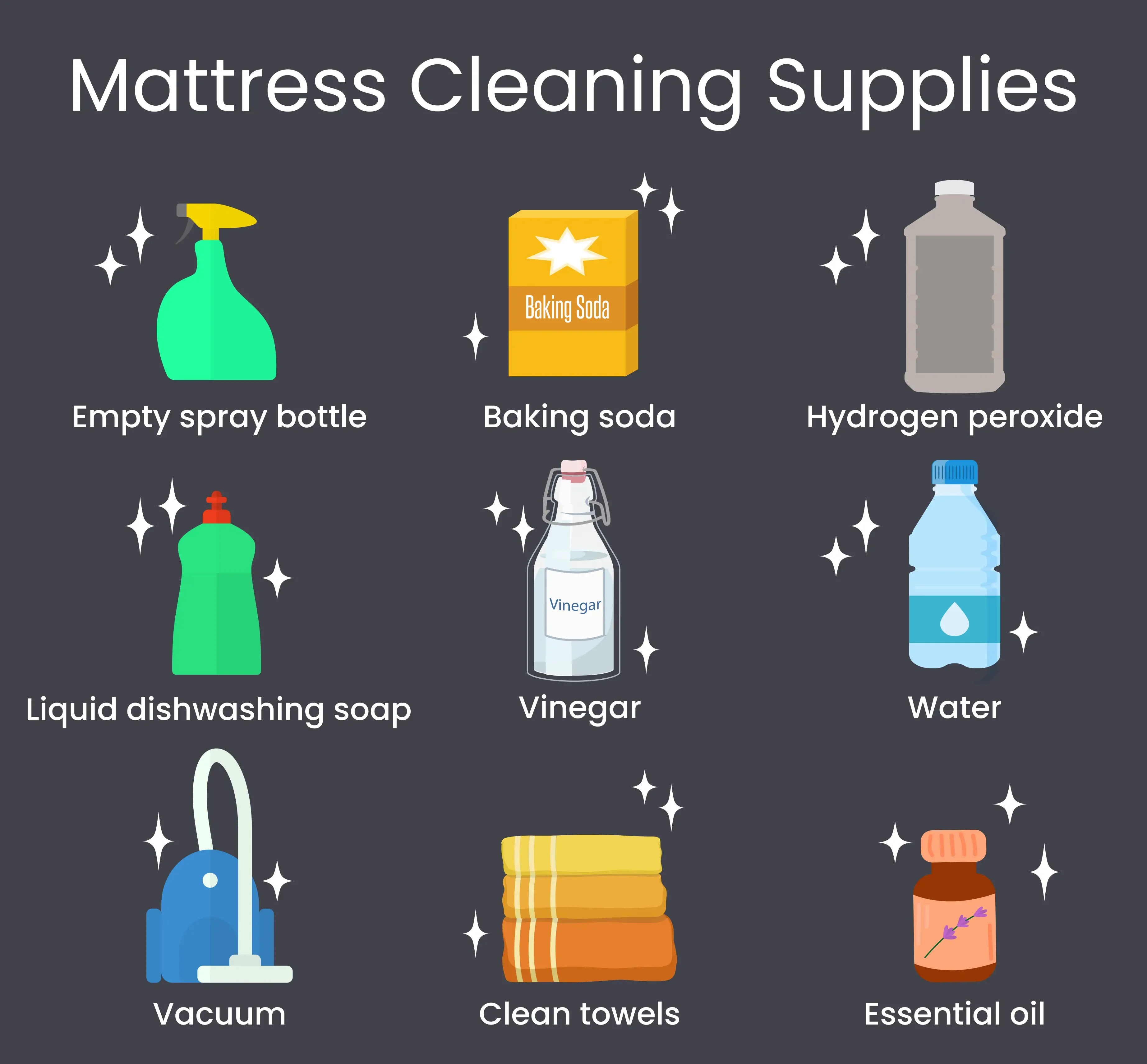
- Vacuum with upholstery attachment (HEPA filter strongly preferred)
- 1-2 lb baking soda (cheap, store-brand is fine)
- White distilled vinegar + spray bottle
- 2-3 microfiber cloths
- Box fan or open windows (ventilation)
- Optional: activated charcoal bags, an enzyme odor cleaner, hypoallergenic mattress encasement
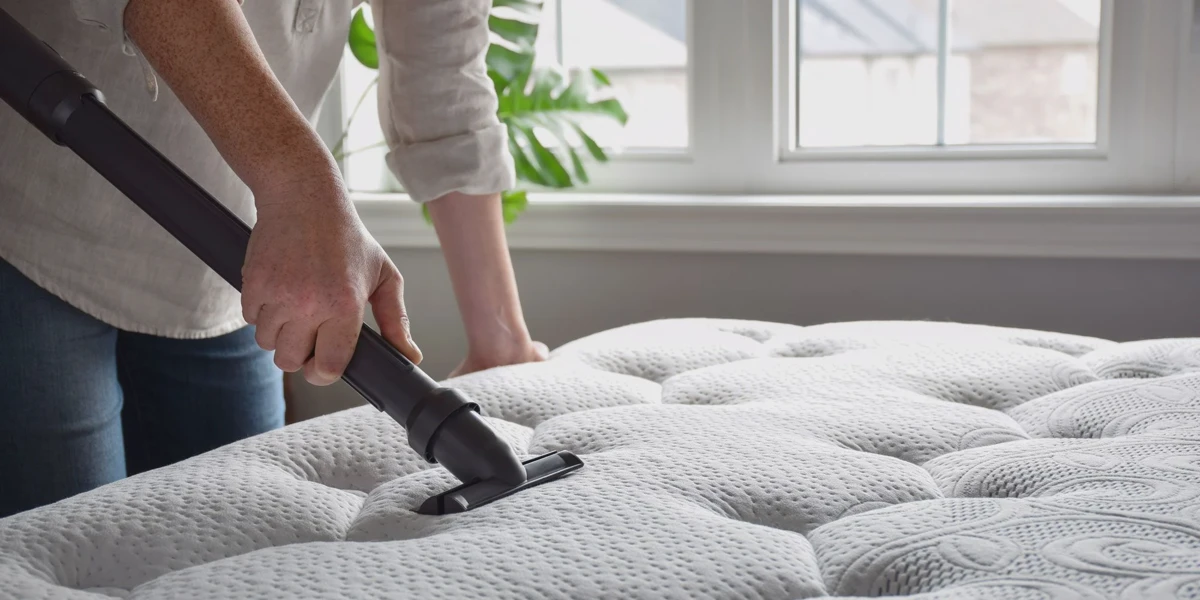
Step 1 - Strip and HEPA-vacuum every surface
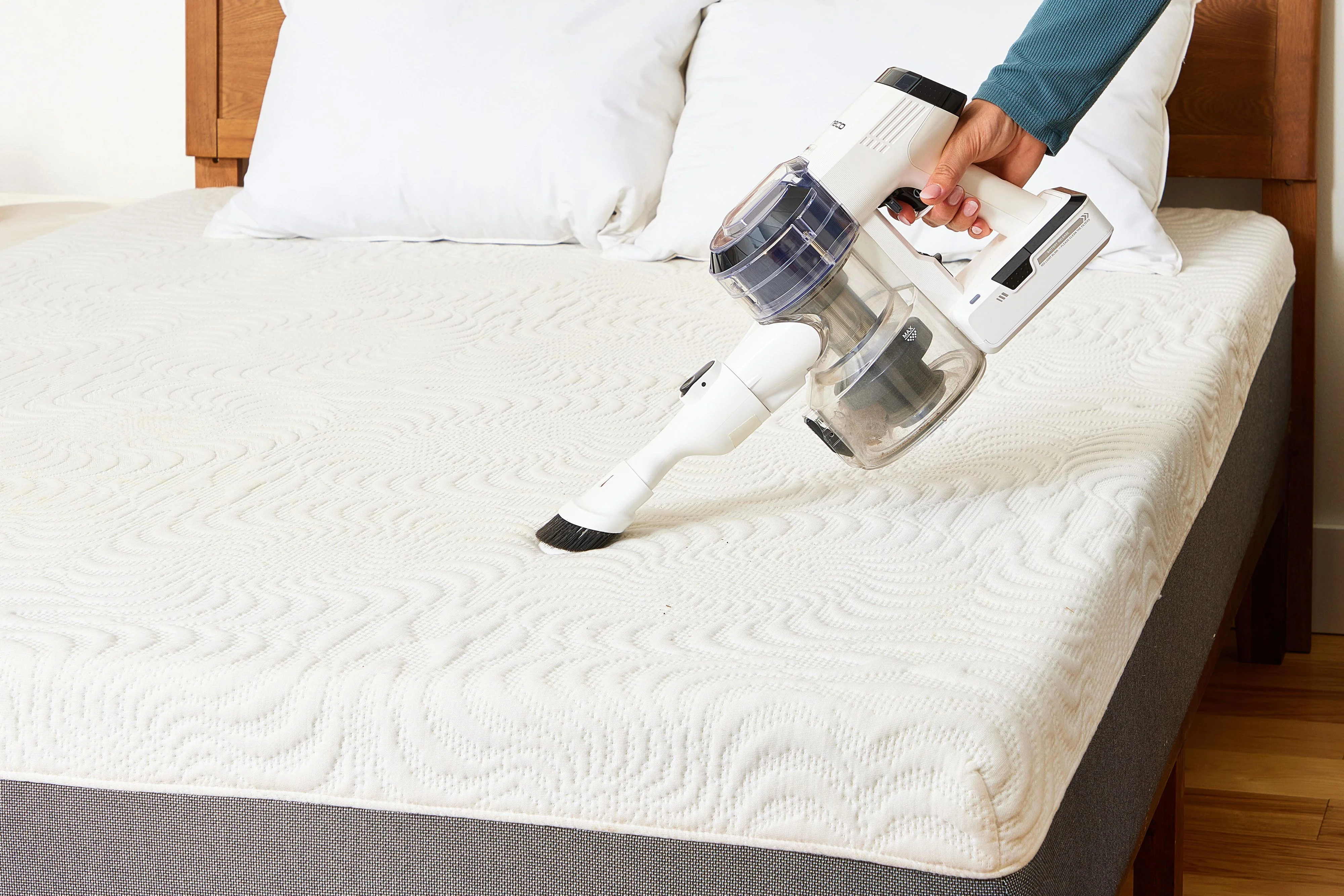
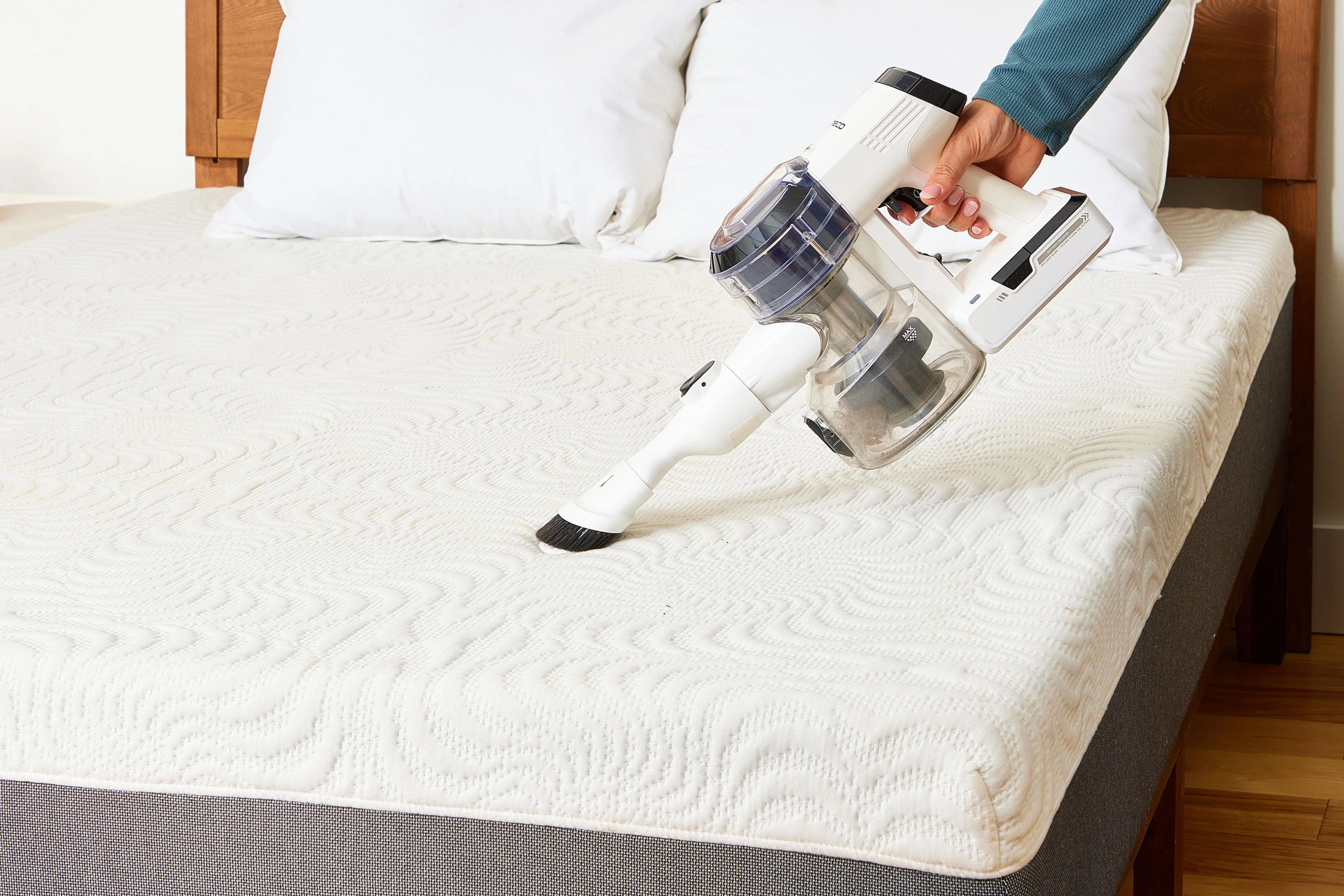
Pull off all bedding (wash separately on hot if the label allows). With the upholstery attachment, vacuum the top, sides, and bottom of the mattress in slow overlapping passes. Pay special attention to seams, tufts, and the handles - that is where smoke-laden dust collects. A HEPA filter matters here because thirdhand-smoke particulates are very small.
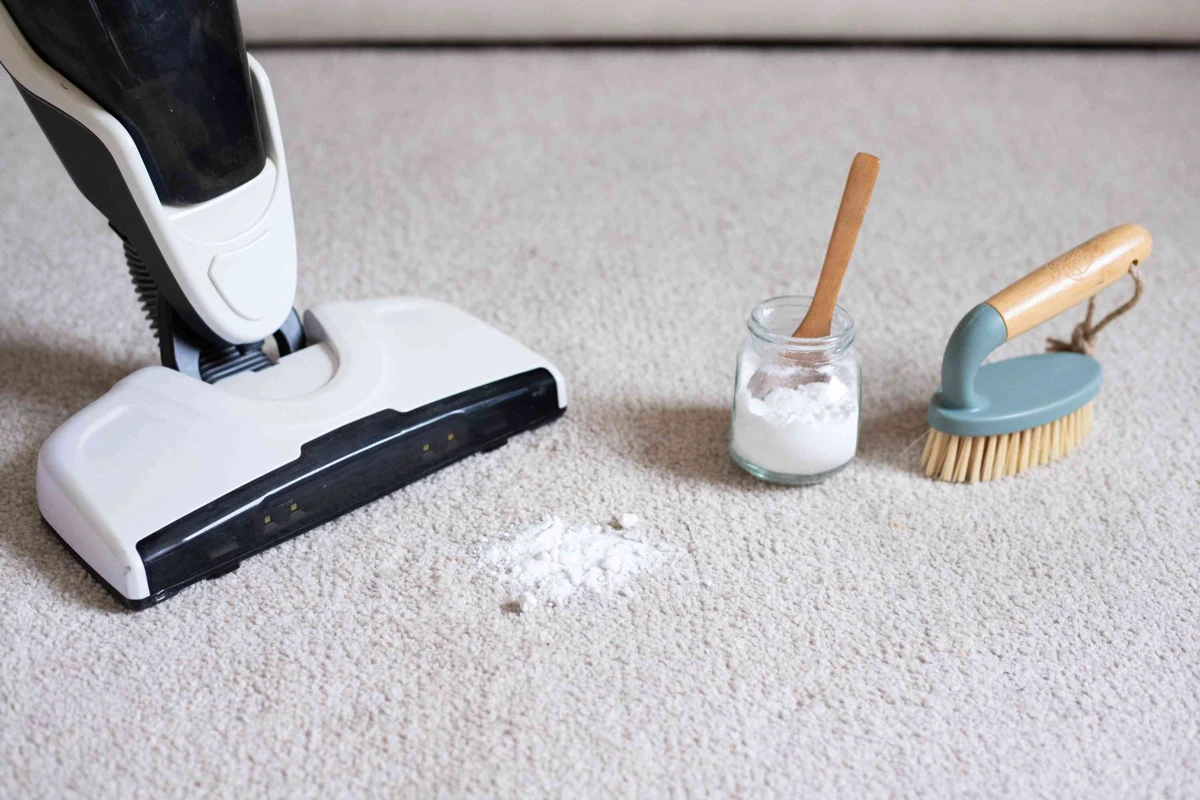
Step 2 - Heavy baking-soda treatment (4-24 hours)
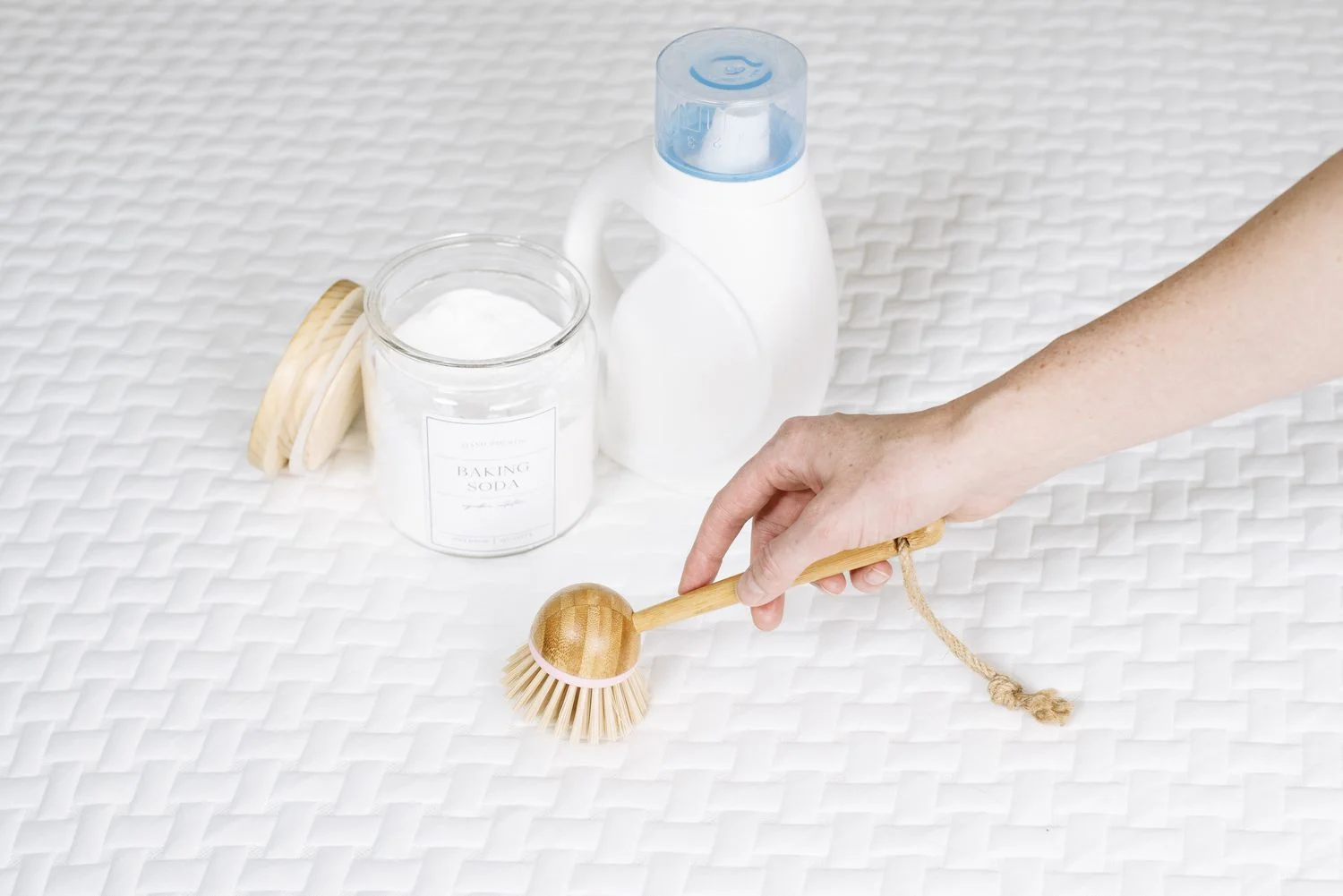
Sift a thick, even layer of baking soda over the entire top surface - about 1 lb for a queen. For severe smell, work it gently into the fabric with a soft brush so it reaches the first ½ inch of foam. Leave it on for at least 8 hours, ideally overnight. Then vacuum it all up. Flip the mattress and repeat on the other side. This is the single most effective step for moderate smells.
Step 3 - Vinegar mist (only if smell remains)
Mix 1 part white vinegar with 1 part water in a spray bottle. Mist lightly - the surface should look damp, never wet. Soaking foam can grow mold inside the core, especially in memory foam. Let it air-dry fully (a fan helps) before doing anything else. The vinegar smell disappears as it dries; what remains is a neutralized smoke odor.
Memory-foam owners: if you'd rather skip vinegar entirely, an enzyme-based odor cleaner (the kind sold for pet urine) is a foam-safe alternative - same light-mist rule applies.
Step 4 - Sunlight + airflow (4-8 hours)
If you can move the mattress, prop it on its side outdoors in direct sun for half a day. UV breaks down some volatile smoke compounds, and sustained airflow finally pulls residue out of the foam. If outdoors is not an option, open every window in the room and run a box fan blowing across the mattress for the same duration.
Step 5 - Encase to lock in anything left
Slip the dried mattress into a zippered, fully sealing mattress encasement (the kind marketed for bed bugs and allergens). This physically blocks any residual smoke gases from re-entering your bedroom air. Pair with a fresh mattress protector on top for liquids. This is also the step that keeps results from rebounding two weeks later.
When this method works well
- Light to moderate smoke exposure (occasional smoker, secondhand exposure)
- Mattress is under ~7 years old and structurally sound
- No visible yellow-brown tar staining on the ticking
- Smell improves noticeably after Step 2
When to replace instead
- Heavy daily smoking inside the bed for years
- Visible nicotine staining or sticky residue on the cover
- Smell still strong after a full vacuum + baking-soda + airing cycle
- Mattress is sagging or past warranty - replacement gives a clean baseline
What NOT to do
- Do not soak the mattress with vinegar, alcohol, or any liquid - interior moisture causes mold.
- Do not steam-clean foam mattresses; heat degrades the comfort layer and voids most warranties.
- Do not rely on plug-in 'air fresheners' or scented sprays - they mask, not remove.
- Do not use bleach on the mattress surface; it weakens fibers without neutralizing smoke chemistry.
- Do not skip drying time - putting sheets back on a damp mattress is how mildew starts.
Related cleaning guides
Frequently asked questions
How long does it take to get cigarette smell out of a mattress?
For light to moderate smoke, expect 1-3 days from start to finish - the baking soda and airing steps need time to work. Heavy long-term exposure can take repeated cycles over a week, and may not fully resolve.
Will baking soda alone remove cigarette smell?
It removes light smells well, but for residue from regular smoking it is not enough on its own. Combine baking soda with a vinegar mist, sunlight, and a sealed encasement for the best result.
Is cigarette smell trapped in a mattress actually dangerous?
Yes - researchers call this thirdhand smoke. The residue contains nicotine and known carcinogens that re-emit into bedroom air, especially with body heat. That is why a smoker's old mattress should be cleaned thoroughly or replaced before reuse.
Can I use an ozone generator on a smoke-damaged mattress?
Professional ozone treatment can break down embedded smoke compounds, but DIY ozone use is risky - ozone damages lung tissue. Run it only in an empty room, never while occupied, and air the space out for several hours before sleeping.
What if the smell does not go away?
If the smell still lingers after a full vacuum + baking-soda + vinegar + airing + encasement cycle, the mattress is probably saturated. Replacing it is the cleanest fix, especially given thirdhand-smoke health risks.