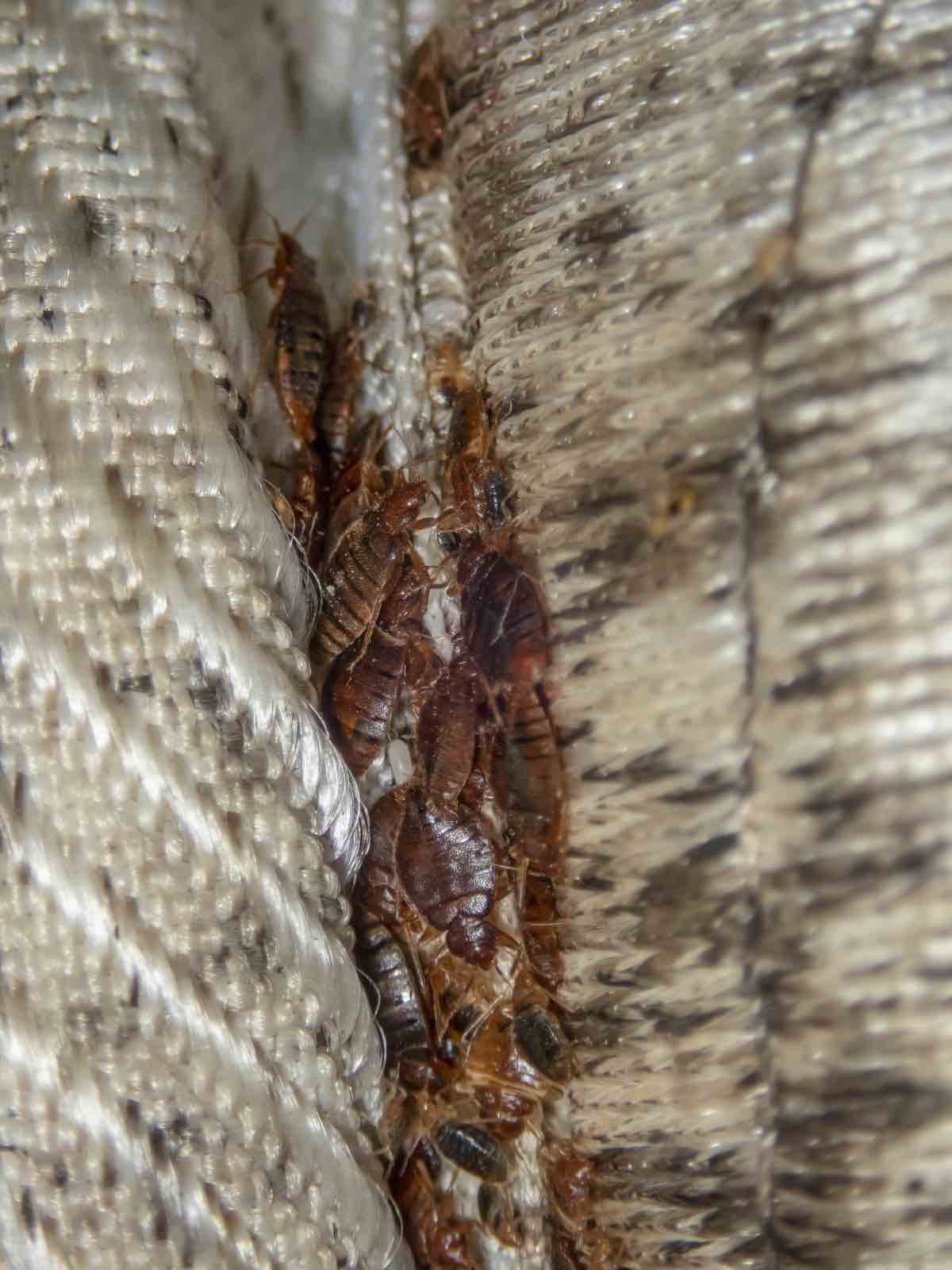
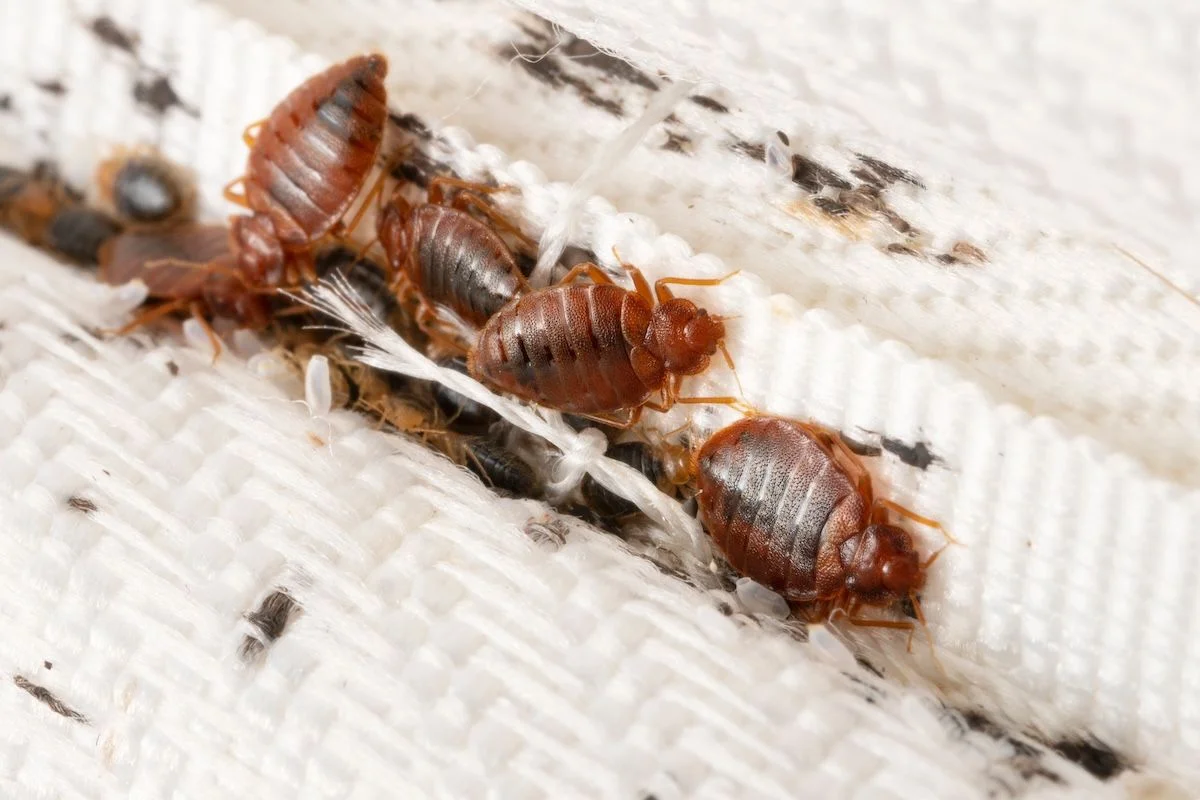
Short answer: no. Dryer sheets do not repel bed bugs, do not kill bed bugs, and do not stop an infestation from spreading. That's not a hot take - it's the position of pest entomologists at Rutgers, the U.S. EPA, and even Procter & Gamble (the company that makes Bounce). If you're seeing bites or live bugs, the dryer-sheet trick will cost you weeks while the population doubles. This guide explains why the myth keeps spreading, then walks through the four tactics that actually work.
Where the dryer-sheet myth came from
The theory goes that the linalool, benzyl acetate, and other fragrance chemicals in scented sheets either mask the carbon dioxide we exhale (which bed bugs use to find us) or directly repel insects. It's plausible-sounding, which is why the tip went viral on Reddit and Facebook around 2014-2016. Some users swore by tucking sheets under the mattress, in pillowcases, or hung on the headboard.
Then researchers tested it. The result every time: bed bugs walk straight over dryer sheets to reach a host. P&G itself told the Trentonian newspaper in 2016 that "P&G has no scientific evidence that Bounce Dryer Sheets kill bed bugs and therefore don't recommend our product for use in this purpose." That's the manufacturer of the most popular brand explicitly disclaiming the use.
What the research actually shows
Three things matter when evaluating any home remedy for bed bugs: contact toxicity, repellency, and durability.
- Contact toxicity - Does it kill a bug it physically touches? Dryer sheets: no. Bed bugs walk over them unharmed.
- Repellency - Does the smell or chemistry steer bugs away? Dryer sheets: no measurable repellency at distances bed bugs forage at (typically within 5-8 feet of a host).
- Durability - Bed bug fragrance compounds dissipate within hours of unwrapping a sheet. Even if there were a brief effect, you'd be replacing them daily.
Pine State Pest Management put it bluntly in their 2024 review of bed-bug home remedies: "Wiping down furniture and other infested items with dryer sheets will not eliminate or repel bed bugs." Colonial Pest Control's entomologists reached the same conclusion.
The (very small) upside
- Cheap and harmless to try alongside real methods
- Smells nice in linen storage and luggage
- May reduce static cling on a mattress encasement
Why it fails as a strategy
- Zero evidence of repelling or killing bed bugs
- Manufacturer (P&G) explicitly disclaims this use
- Buys infestations 2-4 weeks of unchecked spread
- Strong scents can trigger asthma and allergies near sleeping areas
- Distracts from interventions that actually work
Four tactics that actually stop bed bugs
Bed bug control is a stack, not a single product. Use all four together - skipping any one of them is what lets infestations come back. The first three are DIY; the fourth is when to call a pro.
1. Interceptor traps under every bed leg
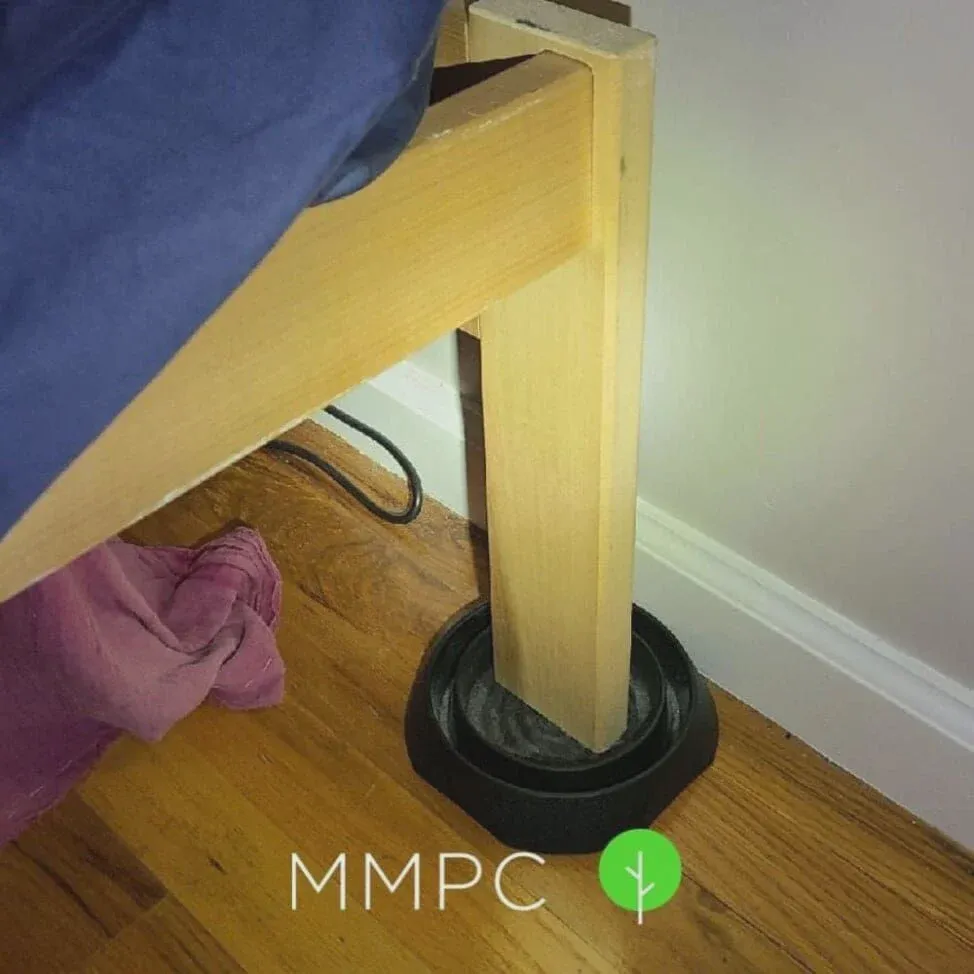
Plastic cups (ClimbUp, Hot Shot, BlackOut) sit under each leg of the bed and any furniture pushed against the wall. Bed bugs can climb up the rough outside but slip on the smooth inner well and get stuck. They both monitor (you'll see the first bug within nights of an infestation) and physically prevent bugs from climbing up to bite you. Rutgers entomologist Changlu Wang's field research found interceptors detected 95% of low-level infestations weeks before residents noticed bites.
2. A bug-proof zippered mattress and box-spring encasement
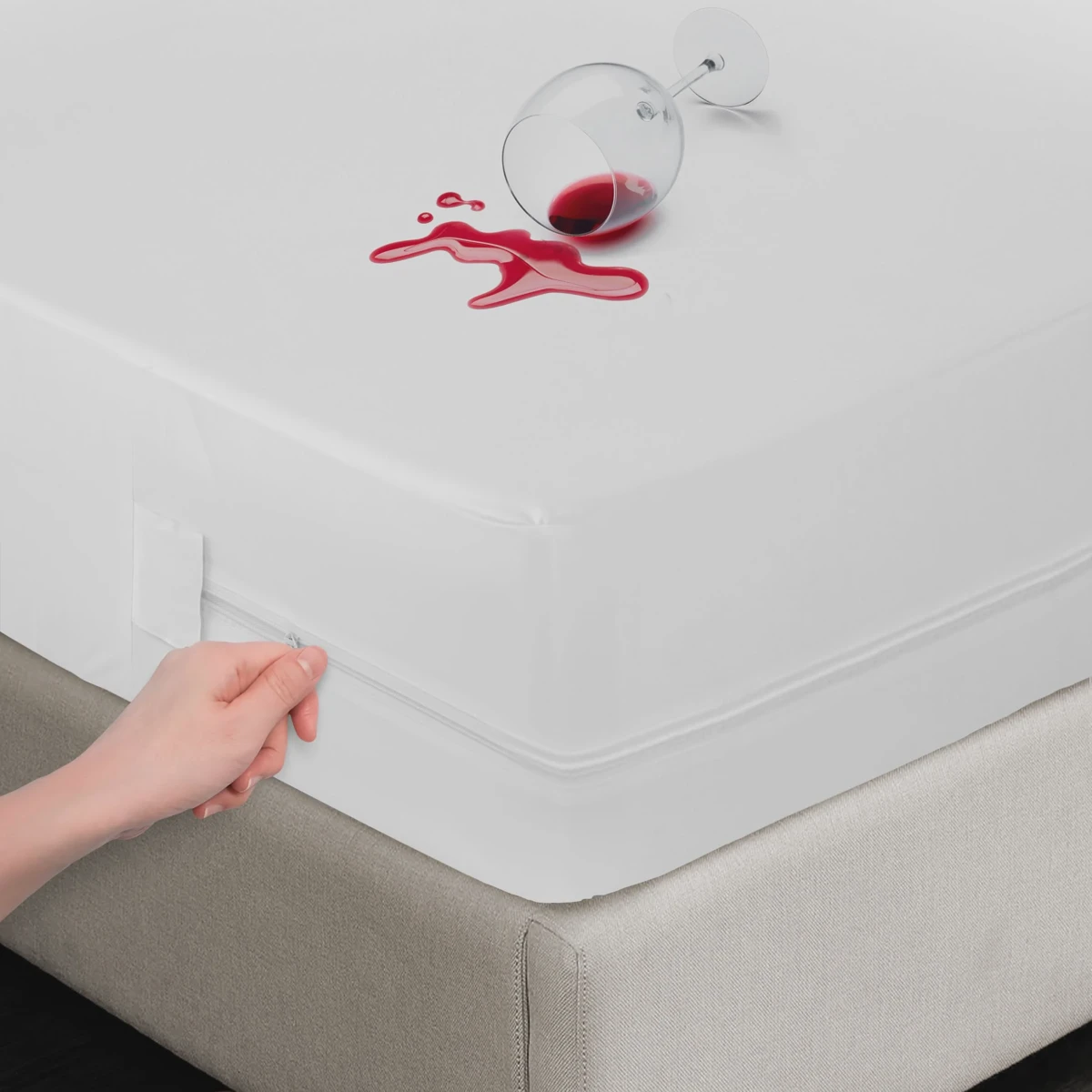
Bed bugs love mattress seams and the staples in box springs - the two hardest places to clean. Sealing both inside a certified bug-proof encasement (look for "bed bug certified" with a sealed zipper closure) traps anything already inside (where they'll starve in 12-18 months) and keeps new bugs from settling in. Leave it on for at least a year. This is the single highest-ROI move for an existing infestation.
3. Heat: the only treatment that kills every life stage
Bed bugs and their eggs die at sustained temperatures of 118°F (47°C) and above. Two practical applications:
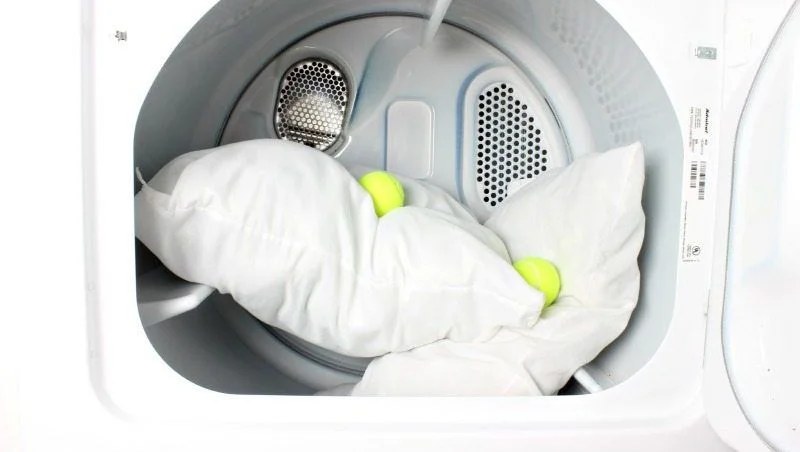
- Wash all bedding and clothing in hot water, then run the dryer on high heat for at least 30 minutes. The dryer matters more than the wash - it's the heat that kills, not the soap, and certainly not the dryer sheet. Items that can't be washed (shoes, stuffed animals, books) can go straight in the dryer for 30 minutes.
- Whole-room professional heat treatment raises the entire space to 120-135°F for several hours. This is the one option with a near-100% kill rate in a single visit.
4. Targeted insecticides - or call a pro
Diatomaceous earth (food-grade, dusted thinly along baseboards and the box-spring perimeter) and EPA-registered bed-bug pesticides are the chemical layer. Skip foggers - they scatter bugs deeper into walls. If you find bugs in more than two rooms, see them on the ceiling, or have already done a DIY round that didn't fully resolve it within four weeks, call a licensed exterminator. Pros bring heat treatment, residual sprays, and follow-up inspections you cannot replicate from a hardware store.
Already seeing bugs? Don't wait on home remedies
A two-week head start matters. Pair an encasement, interceptors, and a hot-dryer cycle the same day you spot the first bug, and budget for a professional inspection if it spreads.
What about the Reddit success stories?
If you've read a thread where someone swears dryer sheets ended their infestation, two things are usually going on. First, bed bug populations naturally fluctuate - if the sheets went up at the same time someone vacuumed, washed bedding hot, or a roommate moved out, the credit goes to the wrong cause. Second, bed bugs hide for 7-10 days between feedings, so an infestation can look gone for weeks before bites resume. The peer-reviewed evidence is unambiguous: dryer sheets do nothing.
Frequently asked questions
What scent do bed bugs hate the most?
None reliably. Lab studies have tested lavender, peppermint, tea tree, cedar, and clove oils. A few show brief, weak repellency at unrealistically high concentrations, but bed bugs habituate within hours and will still cross the treated zone to feed. Essential oils are not a substitute for heat, encasements, or insecticides.
Will putting dryer sheets in suitcases stop bed bugs from coming home from a hotel?
No. The protection comes from inspecting your bag on a hard surface, keeping it off the hotel bed and floor, and running the contents through a hot dryer for 30 minutes when you get home. The dryer sheet does nothing - the dryer's heat does everything.
Do bed bugs like the smell of laundry detergent or fabric softener?
They're indifferent to it. Bed bugs locate hosts by carbon dioxide, body heat, and skin odor (specifically histamine and aldehydes from sweat) - none of which are masked at meaningful levels by laundry fragrances.
Can I just throw infested clothes in a hot dryer without washing them first?
Yes. Thirty minutes on high heat (120 F or above) kills every life stage including eggs. Washing first is good for general hygiene but the dryer is what does the killing. Bag dirty laundry inside another bag for the trip from the bedroom to the dryer to avoid spreading bugs.
How long does it take to get rid of bed bugs once you start treating?
DIY (encasement + interceptors + hot drying + diatomaceous earth) typically takes 6-10 weeks of consistent monitoring. Professional heat treatment can finish a single-room infestation in one visit. Watch interceptors weekly - if you go four consecutive weeks with zero new bugs, you can stand down.
Are dryer sheets at least useful for storing seasonal clothes?
For moths and general freshness, sure - dryer sheets and cedar blocks have a long history there. But for bed bug prevention specifically, sealed plastic bins with tight lids do far more, because bed bugs need direct access to crawl in.