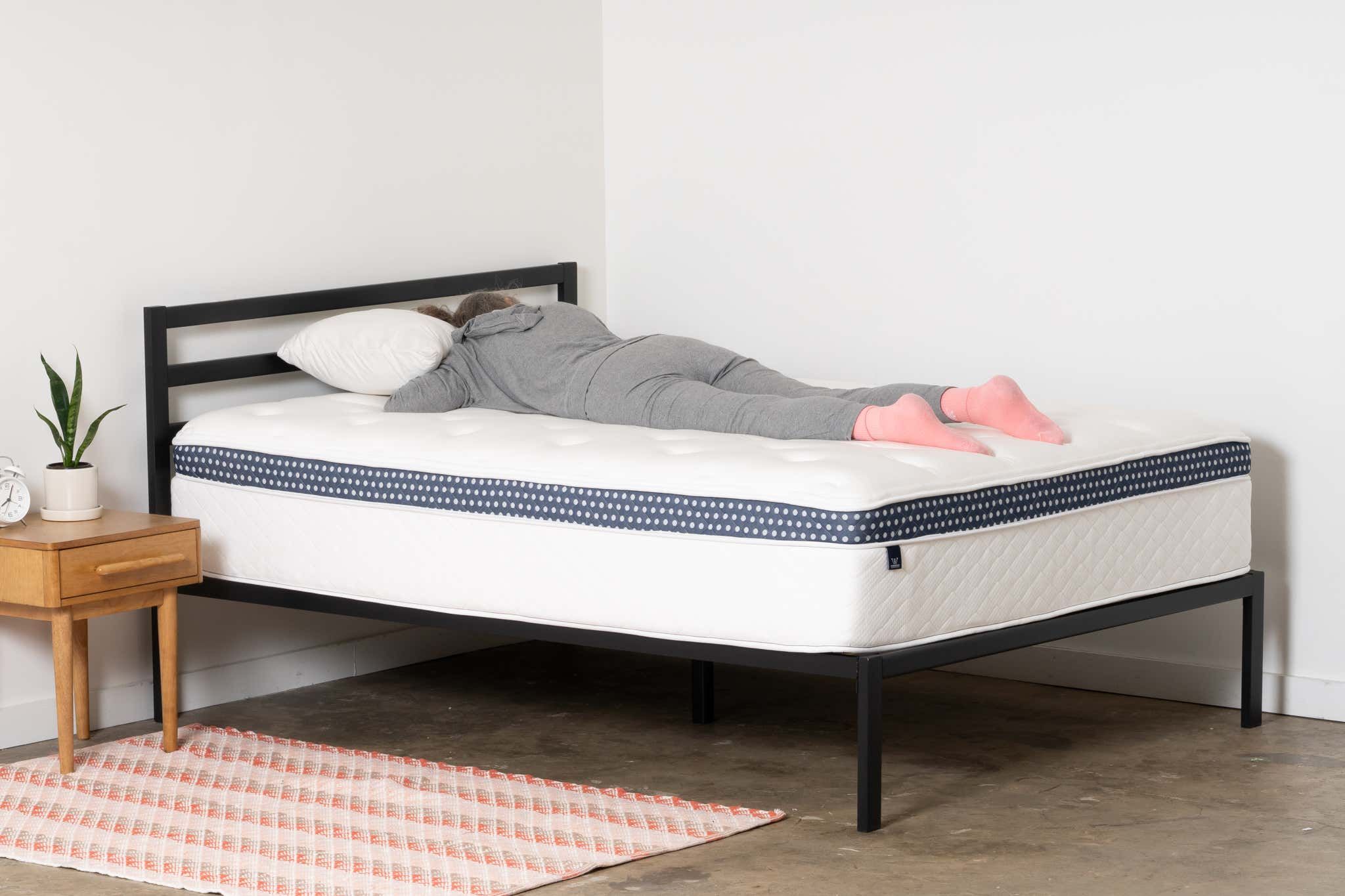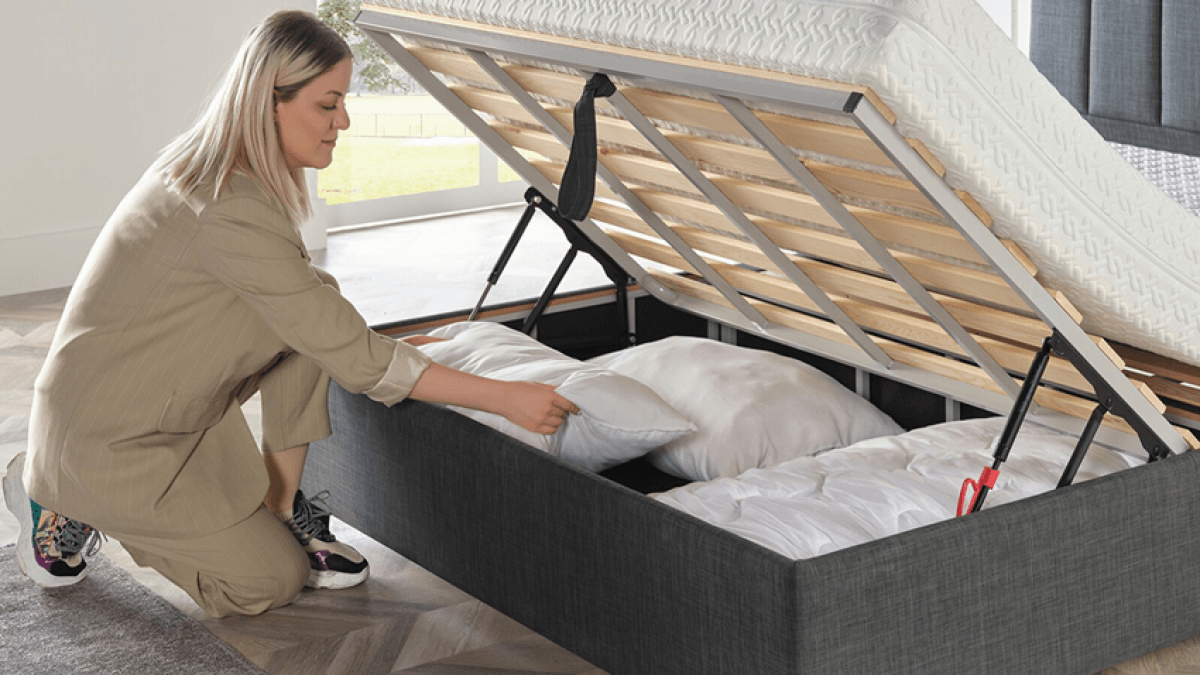
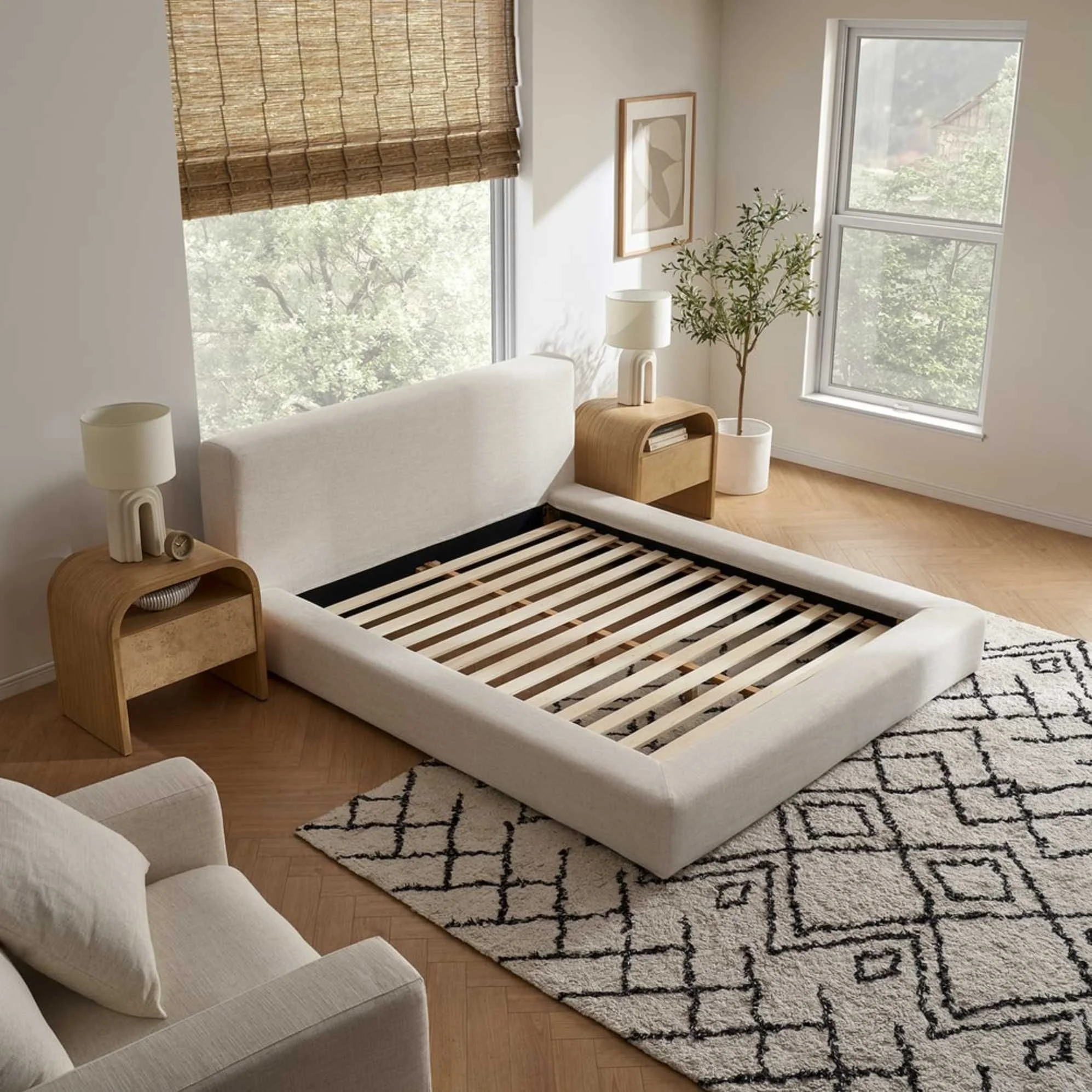
Most mattresses sold in the last decade - memory foam, hybrid, latex, and many newer innersprings - don't actually need a box spring. What they need is a flat, rigid base that supports the mattress evenly and has slats spaced no more than 2-4 inches apart. That's why platform beds and rigid foundations have largely replaced the traditional spring-coil box spring as the default mattress base.
This guide walks through 11 box spring alternatives, who each one is best for, and how to match the base to your mattress. Most options here cost less than a comparable box spring, last longer with foam mattresses, and don't void modern manufacturer warranties.
Why people are skipping box springs
A traditional box spring was designed to absorb shock for innerspring mattresses with steel coils. Foam, latex, and most hybrids sag without a rigid surface beneath them - they need slats or a solid platform, not springs. Many manufacturers now require a rigid base for warranty coverage. Box springs are also bulky to move, add 8-9 inches of unwanted height, and start around $100-$200 for a basic queen, often more than a sturdy slatted foundation.
Quick rule of thumb: foam, latex, and hybrid mattresses → rigid platform or slats no more than 2-4 inches apart. Traditional innerspring → either a box spring or a solid foundation works.
11 box spring alternatives
1. Platform bed
A platform bed has a slatted or solid surface built into the frame, eliminating the need for a separate box spring. It works with virtually every mattress type and gives a clean, low-profile look. Wood and upholstered platforms are common; both are stable so long as the slats are close together (2-4 inches) and don't flex under weight.
Best for: foam, hybrid, and latex mattresses; minimalist or modern bedrooms.
2. Mattress foundation (rigid wood or metal)
A foundation looks like a box spring from the outside but is built differently - rigid wood or metal slats with no springs. Foundations sit on a metal bed frame the same way a box spring would, so you can swap one in without buying a new bedstead. Most foam and hybrid manufacturers explicitly recommend a foundation over a traditional box spring.
3. Slatted bed frame
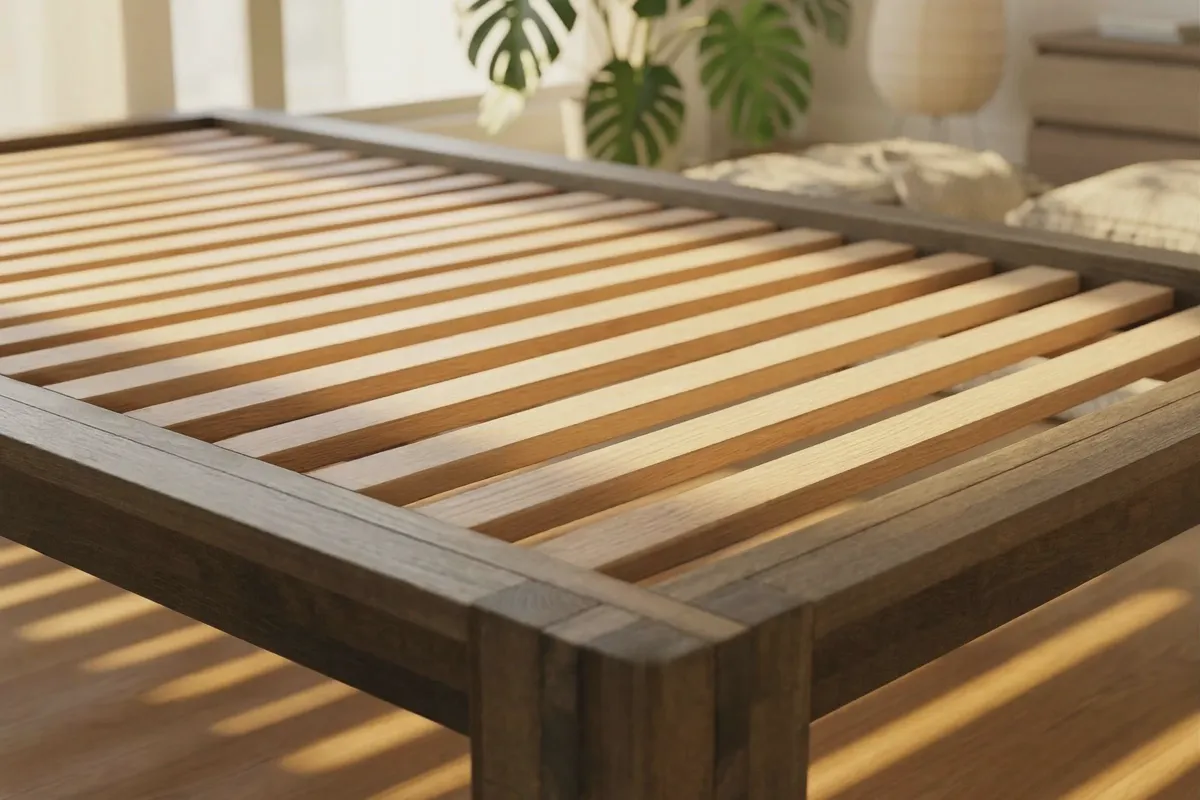
A standalone slatted frame uses horizontal wood or metal slats that snap or bolt into a steel or wood perimeter. It's affordable, easy to ship, and ventilates well - important for foam mattresses that can trap heat. Look for slats no more than 2-4 inches apart; wider gaps will let foam and latex sag and may void the warranty.
4. Adjustable bed base
Motorized bases let you raise the head and foot independently - useful for reading, snoring, acid reflux, and circulation. They eliminate the need for a box spring entirely and work with most foam and hybrid mattresses (check that yours is rated as adjustable-compatible; some all-foam and pocketed-coil hybrids are, traditional innersprings usually aren't). They're the most expensive option here and add real weight to the room.
5. Bunkie board
A bunkie board is a flat 1-3 inch panel of plywood, particleboard, or rigid wood slats wrapped in fabric. It sits on top of an existing bed frame or platform with widely spaced slats, giving the mattress a continuous flat surface. It's the cheapest fix if your current frame's slats are too far apart for a foam mattress.
6. Foldable metal bed frame
Lightweight, ships flat, and tucks under the mattress on rolling casters. Best for guest rooms and short-term setups. The cross-bars are usually 6+ inches apart, so pair it with a bunkie board if you're putting a foam mattress on top.
7. Low-profile box spring (4-6 inches)
If you actually like the box-spring feel but the bed is too tall, low-profile versions split the difference. They're built like a regular box spring but are 4-6 inches tall instead of the traditional 9. Useful for upholstered bed frames where height looks off with a 9-inch base.
8. Mattress on the floor
The simplest, cheapest option: just put the mattress on the floor. It works in a pinch and has a clean, minimalist look. Trade-offs are real, though - limited airflow can lead to mold under the mattress (especially in humid climates), dust and pests are closer to your face, and getting up takes more effort. If you go this route, pull the mattress up against a wall to ventilate it weekly.
9. Plywood sheet on a frame
A 3/4-inch sheet of plywood cut to mattress size and laid across an existing bed frame creates an instant rigid foundation. It's a common DIY fix for sagging beds or beds with too-wide slats. Drill a few ventilation holes if you're using a foam mattress to keep airflow under the surface.
10. DIY pallet bed
Two or three heat-treated wood pallets (look for the HT stamp, never MB - that one's been treated with methyl bromide) sanded down and screwed together make a sturdy, very affordable bed base. Inspect for rot, splinters, and pests before bringing them inside, and seal the wood to keep splinters out of bedding.
11. Milk-crate base
A grid of high-density polyethylene milk crates zip-tied together and topped with a plywood sheet works for short-term, dorm-style setups. It's not durable long-term - the crates can crack under sustained weight - but it's cheap and ventilates well.
How to choose the right base
Three questions narrow it down quickly:
- What kind of mattress? Foam, latex, and hybrid → rigid platform, foundation, or slatted base with gaps under 4 inches. Traditional innerspring → box spring or solid foundation.
- What does the warranty require? Most foam and hybrid manufacturers void the warranty if the mattress is on a slatted base with gaps over 4 inches, or directly on the floor. Check the warranty doc before deciding.
- How tall do you want the bed? Adjustable bases and platforms run 6-15 inches; foundations 5-9; bunkie boards 1-3. A 12-inch mattress on a 9-inch foundation puts the sleep surface at 21 inches - close to a traditional bed height.
Why skip the box spring
- Better support for foam, hybrid, and latex mattresses (modern warranties often require it).
- Lower profile and a cleaner, more modern look.
- Often cheaper than a like-sized box spring, especially slatted frames and bunkie boards.
- Easier to move and ship; no awkward 9-inch coil unit to wrestle through doorways.
- Better airflow under the mattress (slats and platforms with gaps).
When a box spring still makes sense
- You have a traditional innerspring mattress and like the bouncy feel a box spring adds.
- You're replacing a box spring inside an existing bedstead designed around its height.
- You want maximum shock absorption for a heavy mattress on a basic metal frame.
Box spring alternatives: FAQ
Why are people no longer using box springs?
Most mattresses sold today - memory foam, latex, and hybrids - don't need the shock absorption a box spring provides. They need a rigid, evenly-supported base instead. Box springs are also bulky, add unwanted height, and many manufacturers now void the warranty if a foam mattress is placed on a traditional box spring with widely spaced springs.
How do I elevate a mattress without a box spring?
The most common options are a platform bed (built-in slats), a rigid wood or metal foundation that drops into an existing frame, an adjustable base, or a bunkie board on top of your current frame. For foam and hybrid mattresses, make sure any slatted surface has gaps no wider than 2-4 inches.
Can I put a memory foam mattress directly on the floor?
You can, but it's not ideal long-term. Memory foam needs airflow underneath to prevent moisture buildup and mold, especially in humid rooms. If you go this route, lift the mattress against a wall once a week to let it breathe, and check the warranty - some manufacturers explicitly forbid floor placement.
What is a bunkie board and when do I need one?
A bunkie board is a thin (1-3 inch) rigid panel that sits between the mattress and an existing frame. It's the right fix when your current bed frame has slats spaced more than 4 inches apart and you don't want to replace the whole frame to use a foam mattress on top.
Will skipping the box spring void my mattress warranty?
It depends on the manufacturer. Most foam, latex, and hybrid brands explicitly approve platform beds, foundations, and slatted bases with gaps under 4 inches - and some require them. Traditional innerspring warranties are more likely to require a matching box spring. Always read the warranty document before deciding.
How far apart should bed slats be for a foam mattress?
Most foam and hybrid manufacturers recommend slats no more than 2-4 inches apart. Wider gaps allow the foam to sag into the spaces, which can create permanent indentations and may void the warranty. If your current frame has wider gaps, a bunkie board or a sheet of plywood on top is an inexpensive fix.
Shopping for a new mattress to go with your new base?
Browse our reviews and buying guides to match the right mattress to your new platform, foundation, or adjustable base.