Quick answer
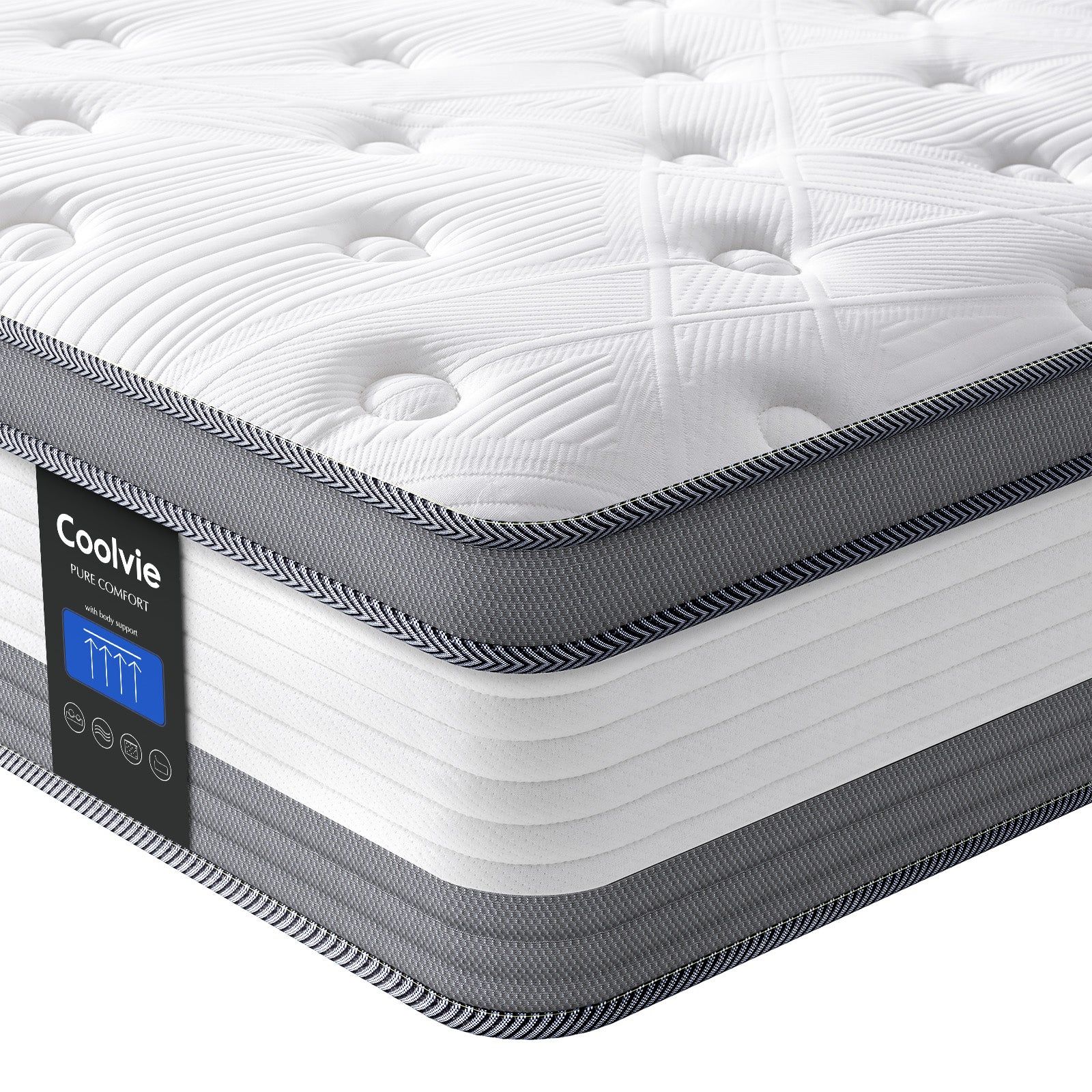
No. Coolvie mattresses are sold as fiberglass-free. The brand states this directly on its official site ("All components of our mattresses are free of fiberglass") and the same claim is repeated on every retailer listing we checked - Home Depot, Walmart, and Amazon Q&A. The cover is a fiberglass-free flame-retardant knit, and the foams are CertiPUR-US and OEKO-TEX certified.
If you want the longer version - what fiberglass actually is, why so many cheap memory-foam beds use it, and how to confirm your specific Coolvie unit is clean - keep reading.
Why people are asking
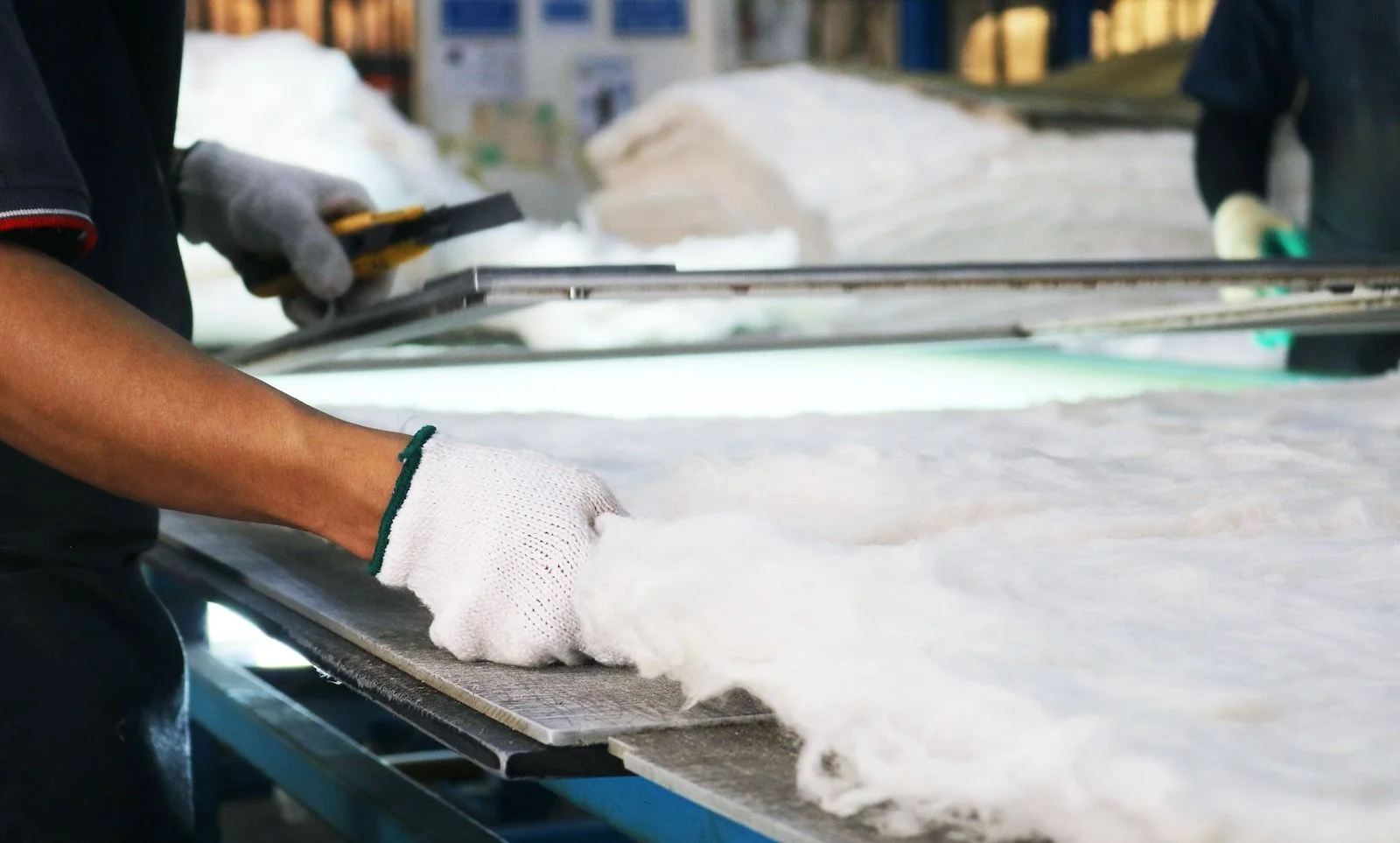
Fiberglass-in-mattress horror stories blew up after a wave of viral Reddit and TikTok posts where owners pulled their inner cover off and ended up coating their entire home in itchy white fibers. The r/CleaningTips thread from January 2025 alone now has thousands of comments from people in exactly that situation. Coolvie's name shows up in those threads because it's a budget Amazon-era hybrid - the same category where roughly 90% of brands have historically used fiberglass as a cheap fire barrier.
The good news: Coolvie does not appear on Naplab's running list of 395 mattresses analyzed for fiberglass, which is currently the most comprehensive third-party audit on the web (last updated March 2026).
What's actually in a Coolvie cover
Coolvie's hybrids replace the fiberglass fire sock used in cheaper beds with a knit flame-retardant fabric. According to the brand's product copy on Home Depot, the mattress is "wrapped in a fiberglass-free flame-retardant cover" and the foams underneath are CertiPUR-US certified - meaning they are tested to be free of:
- Ozone depleters
- PBDE flame retardants (TDCPP, TCEP, TDBPP, TEPA)
- Heavy metals - lead and mercury
- Formaldehyde
- Phthalates regulated by the CPSC
- VOC emissions above 0.5 parts per million
On the brand's official EU site, Coolvie also lists OEKO-TEX as a certifying body for harmful substances - which independently tests every textile component, including the cover knit. Between CertiPUR-US (foams) and OEKO-TEX (textiles), every layer that could plausibly hide fiberglass has a third-party paper trail.
How to verify your Coolvie is fiberglass-free
Even with a clean paper trail, you should never unzip and remove the inner white cover of any mattress - that's how the viral disasters happen. Here's how to confirm safely:
- Find the white law tag sewn to the side of the mattress. Coolvie's tag should list the cover composition (typically polyester / rayon blend) and confirm CertiPUR-US.
- Check the model number against the listing you bought from. Coolvie sells through Amazon, Home Depot, and Walmart - each listing repeats the fiberglass-free claim, which is legally enforceable advertising.
- If you have any doubt, contact Coolvie support via the retailer. The brand has answered the same question on Amazon Q&A more than once with: "all Coolvie mattresses have no fiberglass at all."
- Do NOT cut, unzip, or wash the inner cover. Even on fiberglass-free beds, removing the inner sock voids the warranty and damages the fire barrier.
Beyond fiberglass: how Coolvie actually sleeps
Once you've ruled out the safety question, the more useful question is whether the mattress is any good. The current third-party review consensus (see Dweva's 2025 hands-on test) puts Coolvie in the budget hybrid lane: medium-firm, decent airflow from the pocket coils, and stronger edge support than all-foam beds at the same price. Motion isolation is slightly worse than premium memory foam but acceptable for a coil hybrid.
Pros
- Fiberglass-free cover with CertiPUR-US and OEKO-TEX certifications
- Pocket-coil construction sleeps cooler than all-foam at the same price
- Medium-firm feel works for back and side sleepers under 230 lb
- 100-night trial through Amazon, Home Depot, and Walmart
Cons
- Edge support is fine, not luxurious - heavy sleepers feel the perimeter sink
- No first-party showroom; you're relying on retailer return policies
- Cover composition is not published in detail; you have to read the law tag

Make your Coolvie last
Two habits matter more than anything else.
Always use a waterproof protector
Spills void warranties on almost every mattress sold today, and the protector is the only barrier between an overnight accident and a permanent stain on the foam. Buy one sized for the exact depth of your Coolvie - too tight and it pulls the cover, too loose and it bunches under the sheet.
Use a solid platform or slatted base
Coolvie's hybrids need flat support every 3 inches or less. A box spring designed for innerspring beds will let the foams sag in the middle within a year. If you want to use an existing frame, add a bunkie board on top.
Coolvie & fiberglass: FAQ
Do Coolvie mattresses have fiberglass?
No. Coolvie publishes a fiberglass-free claim on its official EU brand site and on every Amazon, Walmart, and Home Depot listing. The cover is a knit flame-retardant fabric and the foams are CertiPUR-US certified.
Are Coolvie mattresses safe?
Yes. The foams are CertiPUR-US certified, meaning they are tested to be free of ozone depleters, PBDEs, formaldehyde, phthalates, and high-VOC emissions. The brand also lists OEKO-TEX certification on its official site, which covers the textile cover.
Are cool gel memory foam mattresses fiberglass-free?
Some are; many are not. The phrase "cool gel memory foam" describes the foam, not the fire barrier. Always look at the cover composition on the law tag - if it says glass fiber, glass wool, or silica, the bed contains fiberglass regardless of the foam type.
How can I tell if any mattress has fiberglass?
Read the white law tag sewn to the side. If the cover composition lists glass fiber, fiberglass, or silica - even a small percentage - assume fiberglass is the fire barrier. If the tag lists rayon or polyester only and the brand publishes a fiberglass-free claim, you are safe.
Should I cut the cover off my mattress?
Never. Removing the inner zippered cover is what causes the viral fiberglass disasters - even on fiberglass-free beds it damages the fire barrier and voids the warranty. Use a washable mattress protector over the top instead.