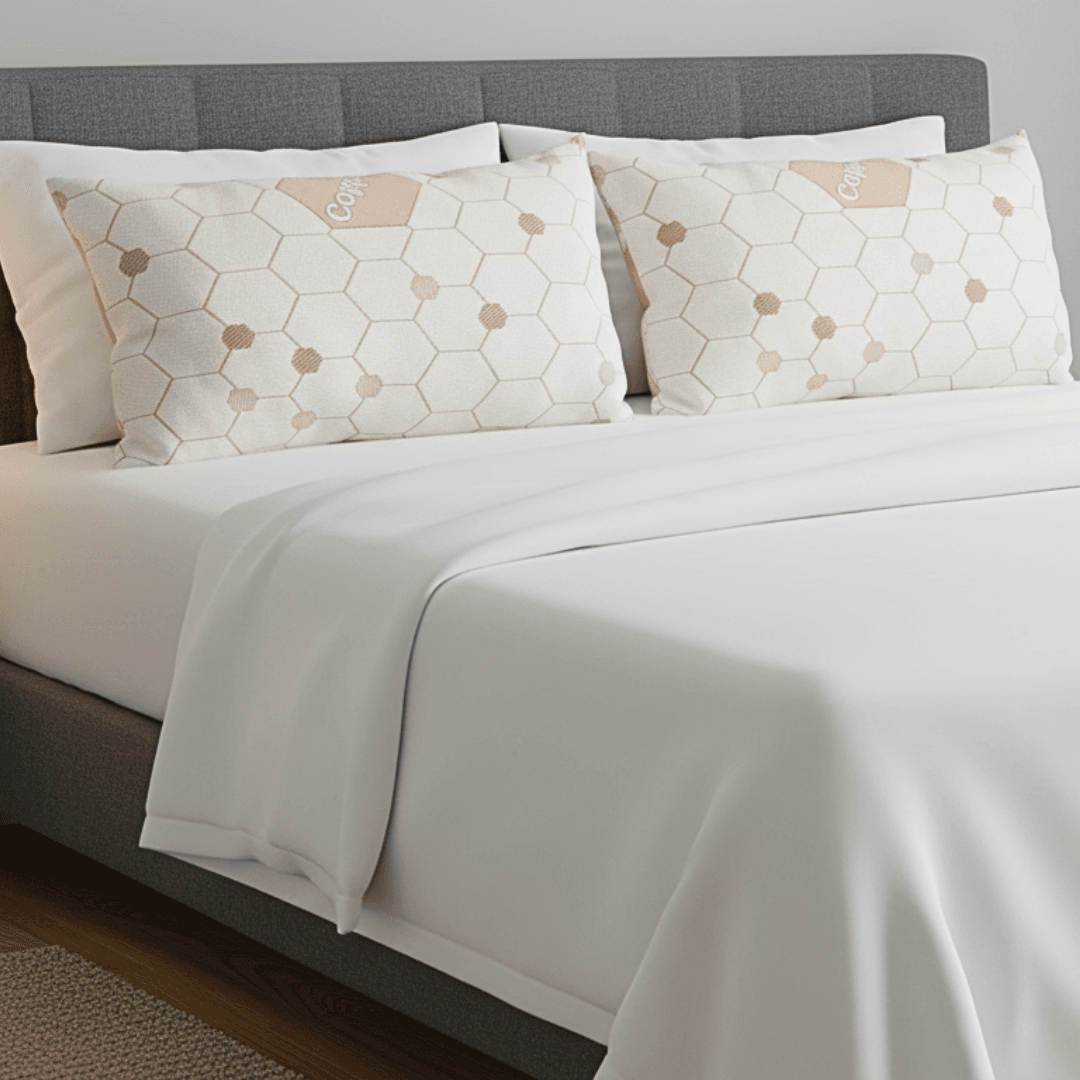
A copper pillow is a regular pillow whose fill, fabric, or pillowcase has been infused with copper oxide or woven copper fibers. The pitch is simple: copper has a long, well-documented record as an antimicrobial metal, and a 2012 clinical trial published in the Journal of Cosmetic Science found that sleeping on copper-oxide pillowcases reduced the depth of facial wrinkles after four weeks.
But the marketing around copper pillows runs ahead of the evidence. Some claims (antimicrobial action, modest skin benefits, cooling) are reasonably supported. Others (curing acne, reversing aging, replacing skincare) are not. This guide separates the two, then shows you how to choose, wash, and use a copper pillow if you decide it's worth it.
What is a copper pillow?
There are three different products people call "copper pillows," and the difference matters when you're shopping:
- Copper-infused fill - memory foam or fiber stuffing impregnated with copper particles. The copper is inside the pillow.
- Copper-infused cover - the pillow's outer fabric (the part sewn onto the pillow itself) contains copper-oxide threads.
- Copper pillowcase - a separate, removable case you slide over any pillow. This is the version used in nearly every published clinical study on copper and skin.
Skin contact is what drives the cosmetic claims, so a copper-infused cover or a copper pillowcase is closer to the studied product than copper buried inside the fill.
6 copper pillow benefits, ranked by evidence
1. Antimicrobial surface (strong evidence)
Copper has been shown in laboratory and clinical settings to inactivate bacteria, fungi, and viruses on contact. The EPA registered copper alloys as antimicrobial surfaces in 2008, and copper-oxide-impregnated textiles have been studied in hospital linens to reduce healthcare-associated infections. For a pillow, that means fewer odor-causing and acne-associated bacteria building up between washes - a real, measurable effect.
2. Reduced facial wrinkles (moderate evidence)
The most cited study (Baek et al., PubMed 22938003) randomized 60 women to sleep on copper-oxide pillowcases or controls. After four weeks, the copper group showed measurable reduction in wrinkle depth and improved skin appearance. The effect is modest, the trial was small, and the research has not been broadly replicated - but it's real, and the proposed mechanism (copper ions stimulating dermal collagen) is biologically plausible.
3. Cooler sleep surface (moderate evidence)
Copper conducts heat well - better than most fibers used in pillows. Copper-infused memory foam pillows pull heat away from the head and neck faster than standard memory foam, which traps it. If you're a hot sleeper and your current memory-foam pillow runs warm, a copper-infused version is one of the cheaper cooling upgrades you can try.
4. Less odor between washes (likely)
Pillow odor comes mostly from bacteria metabolizing sweat and skin oils. If copper reduces the bacterial load on the surface (benefit #1), it follows that the pillow will smell fresher for longer. This is consistently reported by users but has not been measured directly in published trials.
5. Smoother glide for hair and skin (mechanical, not copper-specific)
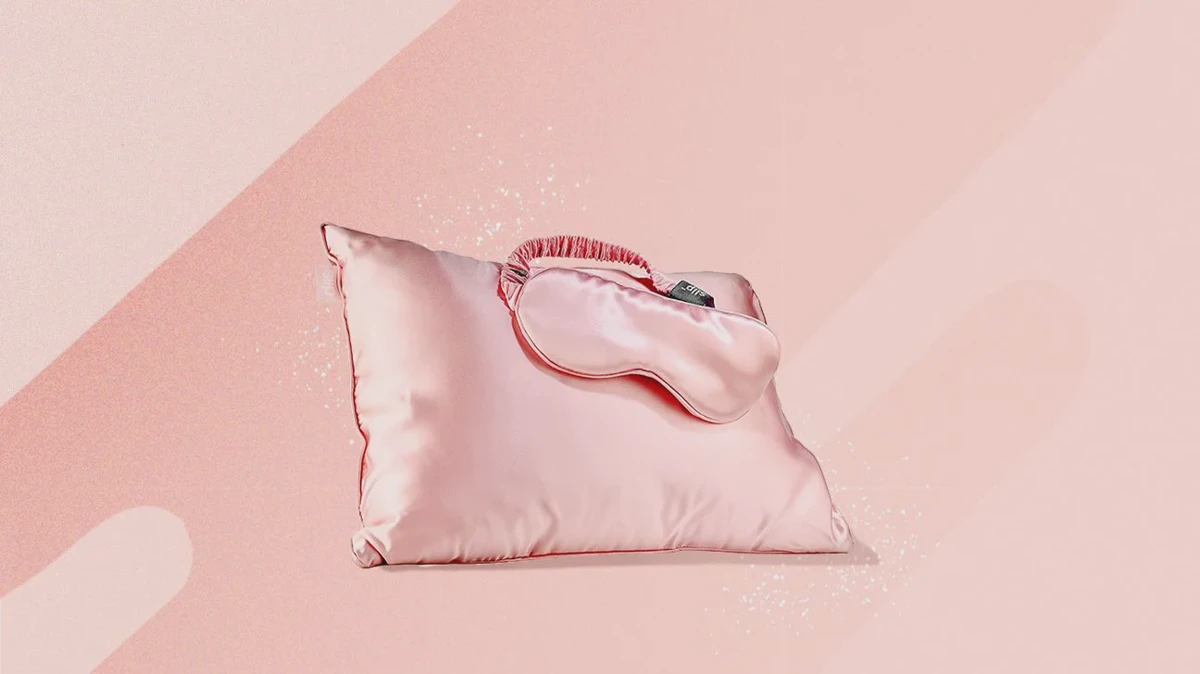
Most copper pillowcases are woven from polyester or nylon-blend yarns spun to feel silk-like. The reduction in friction is what reduces hair breakage and creasing - that's a function of the weave, not the copper. A plain silk pillowcase delivers the same mechanical benefit.
6. Acne reduction (weak / individual)
Because copper kills the surface bacteria associated with breakouts (Cutibacterium acnes), it's plausible that a clean copper pillowcase plus regular washing helps acne-prone sleepers. But there's no good clinical trial showing copper alone resolves acne, and dermatologists are clear: a pillowcase is not a substitute for skincare. Treat it as one small input, not a treatment.
Where copper pillows actually deliver
- Antimicrobial surface that stays cleaner between washes
- Modest, measurable reduction in facial wrinkles after weeks of use
- Cooler sleep surface than standard memory foam
- Less pillow odor without extra detergent
- Smoother fabric reduces hair friction and pillow creasing
Where the marketing overpromises
- Will not replace a skincare routine for acne or aging
- Cosmetic effect comes from skin contact - copper buried in fill matters less
- Most published research uses pillowcases, not whole pillows
- Costs more than a quality silk or sateen pillowcase, which gives many of the same hair benefits
- Anyone with a copper allergy or metal sensitivity should avoid
How to wash a copper pillow
Copper-oxide and copper-fiber textiles are durable in the wash, but heat and harsh detergents will dull the antimicrobial finish over time. The general rule:
- Pillowcases: machine wash cold, gentle cycle, mild detergent. Air-dry or tumble dry low. Skip bleach and fabric softener - both degrade the copper finish.
- Whole pillows with copper-infused fill: most are spot-clean only. Memory-foam copper pillows should never go in a washing machine - the agitator tears the foam.
- Pillows with removable copper-infused covers: unzip the cover and wash it like a pillowcase. Spot-clean the inner pillow only.
- Always check the manufacturer's care label first - copper textiles vary by weave and coating.
Do you put a regular pillowcase over a copper pillow?
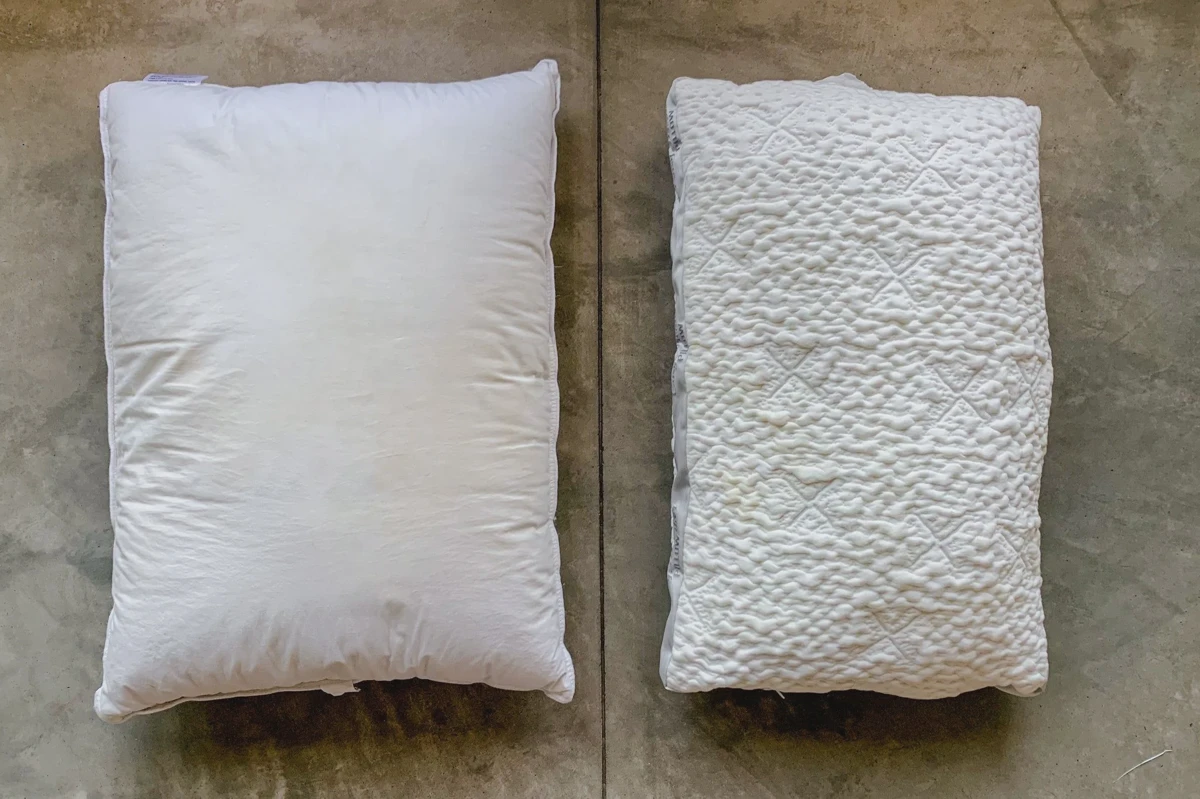
Only if the copper layer is in the fill, not the cover. The cosmetic and antimicrobial effects come from skin contact, so covering a copper-infused outer fabric with a cotton case largely cancels them out. If you bought a pillow with copper buried in the foam (most memory-foam copper pillows fall in this group), a regular pillowcase is fine - it won't change much either way.
Is copper safe to sleep on?
For most people, yes. Copper is one of nine essential trace minerals the body already needs, and the amount that transfers from a copper textile to skin during sleep is well below dietary or toxic thresholds. The exceptions are people with a known copper allergy or general metal sensitivity - rare, but if your skin reacts to copper jewelry it will probably react to a copper pillowcase.
Who should buy one (and who shouldn't)
- Buy if: you're a hot sleeper who already uses memory foam, you want a low-effort antimicrobial layer between pillow washes, or you want to add a small wrinkle-reduction tool to an existing skincare routine.
- Skip if: you're hoping to replace skincare, you have a copper or metal allergy, or you already own a quality silk pillowcase and are mostly looking for the hair benefit.
Copper pillow FAQ
Do copper pillows actually reduce wrinkles?
A small randomized trial (Baek 2012) found measurable reduction in wrinkle depth after four weeks of sleeping on copper-oxide pillowcases. The effect is modest and the research is limited, but the result is real and the mechanism is plausible. Treat it as a small assist, not a replacement for skincare.
Is a copper pillow worth the extra money?
If you're a hot sleeper who would buy a cooling memory-foam pillow anyway, the copper version is usually only a few dollars more and adds a real antimicrobial benefit. If you mostly want the hair-and-skin glide, a silk pillowcase is cheaper and gives you most of the same mechanical effect without the copper premium.
Can you wash a copper pillow in the machine?
Copper pillowcases - yes, on a cold gentle cycle with mild detergent. Whole pillows with copper-infused fill - usually no, especially memory-foam ones. Always check the care label, and never use bleach or fabric softener on copper textiles.
Do you need a regular pillowcase over a copper pillow?
If your pillow has a copper-infused outer cover, skip the regular pillowcase - covering the copper layer cancels the skin-contact benefits. If the copper is inside the fill, a regular pillowcase is fine because the copper isn't touching your skin anyway.
Is sleeping on copper safe long-term?
Yes for the general population. Copper is a trace nutrient the body already uses, and dermal exposure from a textile is far below toxic levels. People with a known copper or metal allergy should avoid copper pillows and pillowcases.
Copper-infused pillow vs silk pillowcase - which is better?
They overlap on the friction/hair benefit, but only copper offers a real antimicrobial surface and the small wrinkle-reduction effect from the Baek trial. Silk wins on luxury feel and price; copper wins on hygiene and the modest skin claim. If budget allows, some people layer a copper pillowcase on a quality pillow and skip a silk one entirely.
Looking for a pillow that actually fits how you sleep?
Copper is one variable - fill, loft, and firmness matter more for spinal alignment. Browse our pillow buying guides to match a pillow to your sleeping position first, then layer copper on top if you want the antimicrobial and skin benefits.