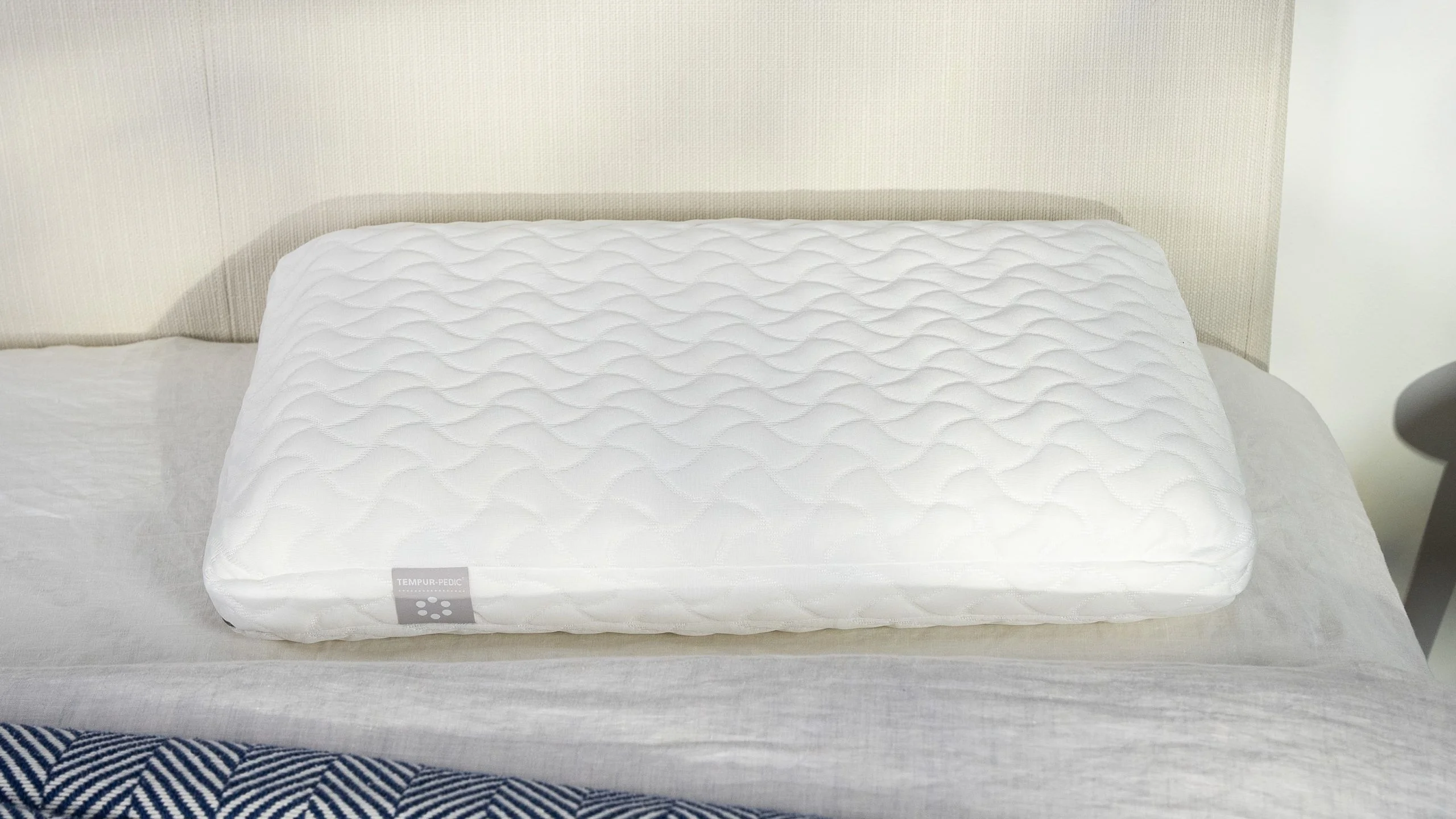
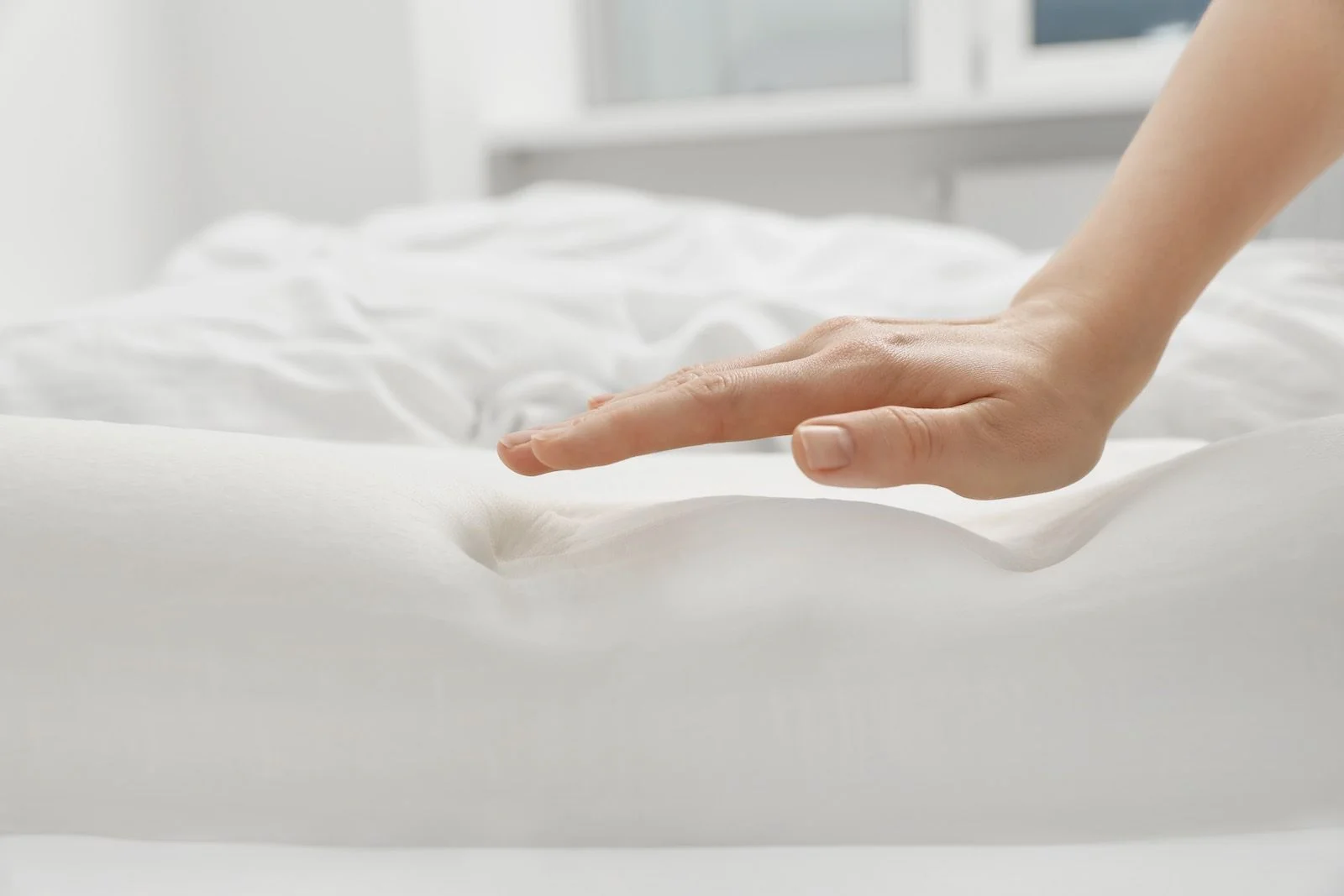
Memory foam doesn't act like cotton or down. The cells trap water like a sponge, and the agitation cycle of a washing machine literally tears the foam apart - which is why every major manufacturer (Tempur-Pedic, Purple, Sleep Foundation, The Spruce) tells you to hand-wash only. The good news: with a tub, mild detergent, and patience, you can deep-clean a memory foam pillow in about 30 minutes of active work plus a 24-hour dry. This guide walks you through the safe hand-wash method, faster spot-clean and deodorize routines, and the mistakes that ruin pillows.
Quick answer: can you put a memory foam pillow in the washing machine?
No. Never put a solid or shredded memory foam pillow in a washing machine or dryer. Both the spin cycle and tumble heat will rip the cellular structure, leaving you with a lumpy, water-logged pillow that never fully dries - a perfect environment for mildew. Only the removable cover is machine-washable (cold, gentle, mild detergent). The foam itself stays out.
What you'll need
- A bathtub or large utility sink (a pillow needs to fully submerge)
- Lukewarm water - never hot (hot water sets stains and degrades foam)
- Mild liquid detergent - about 1 teaspoon per gallon. Free-and-clear or baby detergent is ideal.
- Two clean microfiber cloths
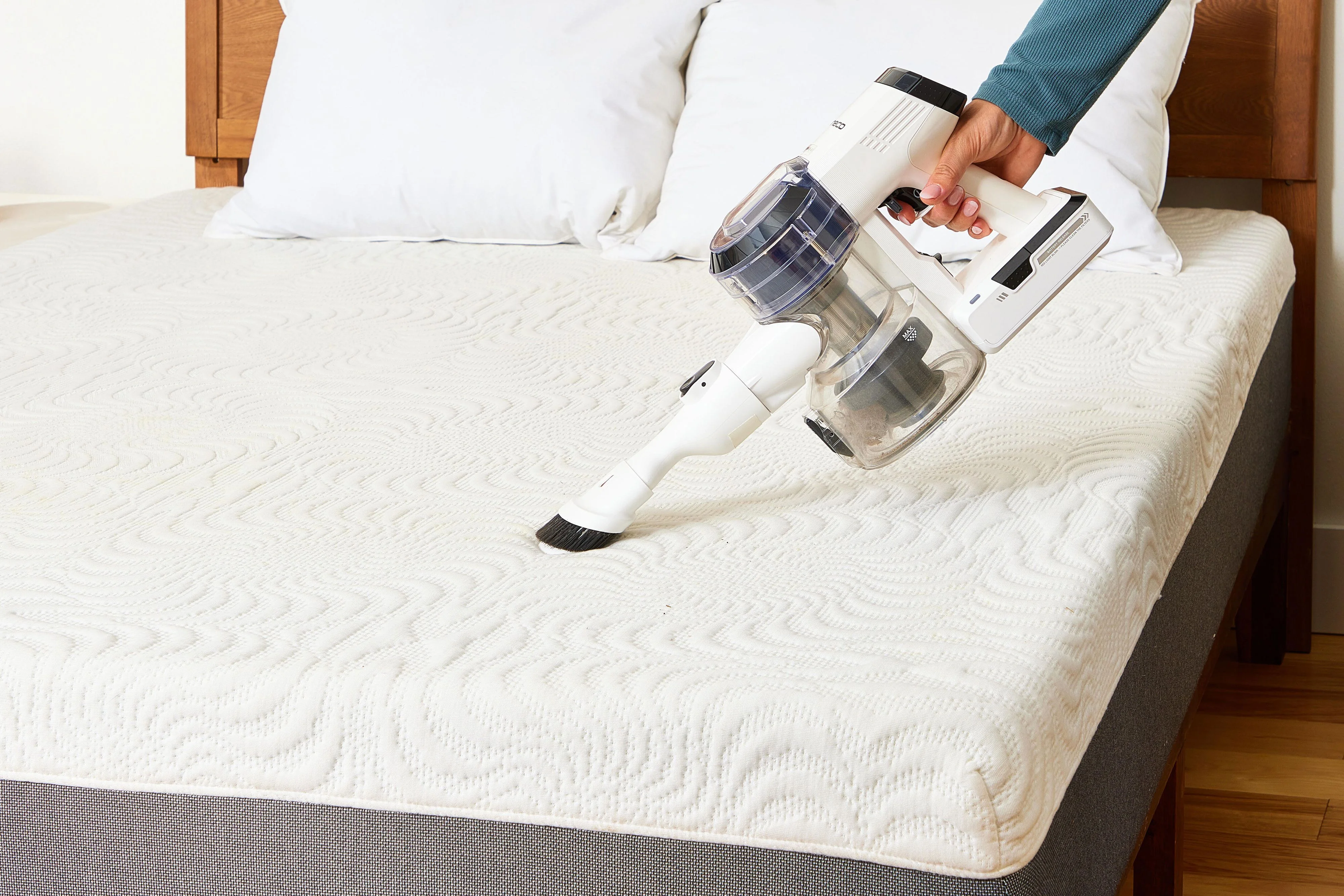
- Vacuum with an upholstery attachment
- Baking soda (for deodorizing)
- A drying rack, slatted bench, or two chairs and a clean towel
Method 1: Spot-clean (recommended for routine care)
For 90% of stains and routine freshening, spot-cleaning is safer and faster than a full soak. Use it for sweat marks, drool, makeup, or food spills caught early.
- Strip the cover and wash it separately on a cold, gentle cycle.
- Mix 1 tablespoon mild detergent with 2 cups warm water in a bowl.
- Dip a microfiber cloth, wring it nearly dry, and dab the stain from the outside in. Don't scrub - friction abrades the foam surface.
- Wipe with a second cloth dampened in clean water to lift residue.
- Press a dry towel over the spot to absorb moisture, then air-dry on a flat surface for 4-6 hours.
Method 2: Full hand-wash (deep clean, every 4-6 months)
Reserve this for visible yellowing, lingering odors, or after illness. Plan for a 24-hour drying window.
Step 1: Fill the tub
Run lukewarm water until the pillow can fully submerge - usually 4-6 inches. Add 1 teaspoon of mild detergent per gallon and swirl to dissolve. Skip bleach, fabric softener, and oxygen-based brighteners; they break down polyurethane foam.
Step 2: Submerge and squeeze
Lower the pillow in and gently press it under water. Squeeze with flat palms - never twist or wring - to push soapy water through the foam. Repeat for 5-10 minutes until the water around the pillow turns slightly cloudy.
Step 3: Rinse until clear
Drain the tub and refill with clean lukewarm water. Press the pillow to flush soap out, drain, and refill again. Plan on 3-4 rinses; soap residue left in the foam attracts dirt and feels gummy when dry.
Step 4: Press out water
Lift the pillow with both hands underneath - a soaked memory foam pillow can weigh 10+ pounds and tear under its own weight. Press it between two clean towels on the floor (stand on the sandwich if needed) to wick out as much water as possible. Skip the spin cycle and the wringing motion entirely.
Step 5: Air-dry flat (24+ hours)
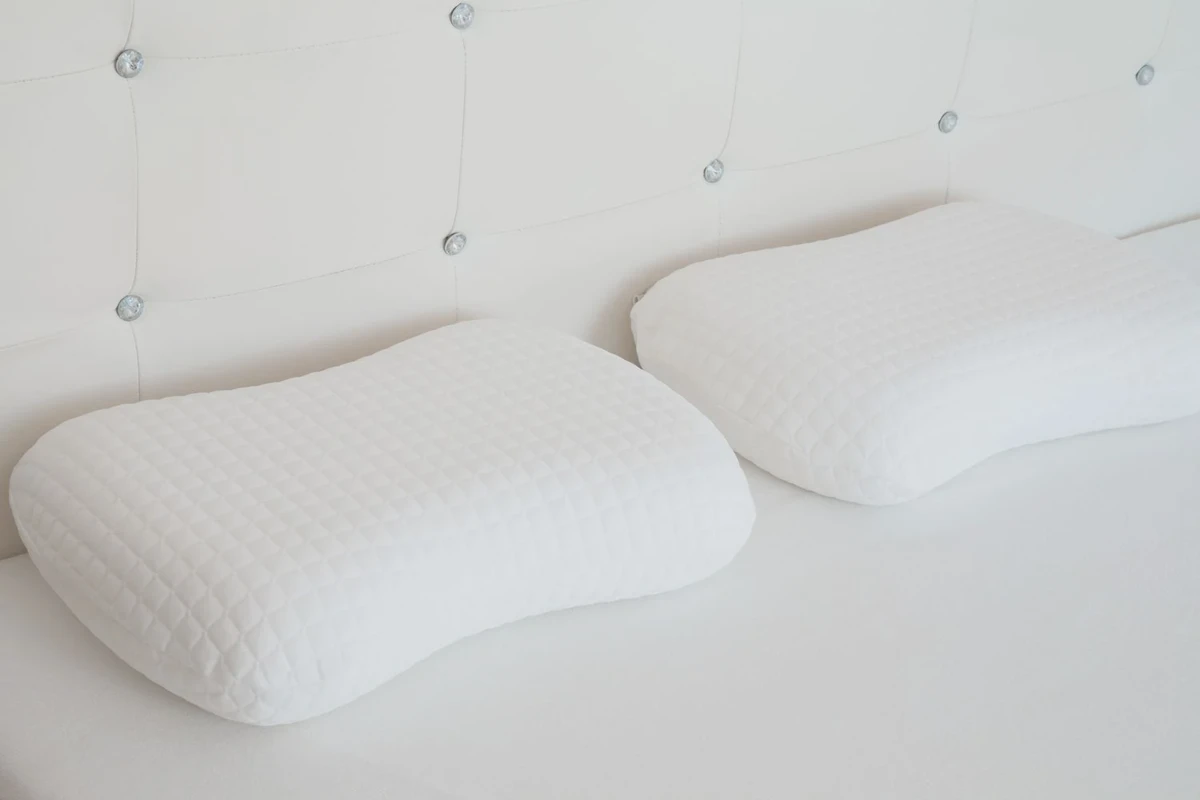
Lay the pillow flat on a slatted drying rack, two chairs, or a clean towel - anywhere air can reach both sides. Point a box fan at it and flip every 4 hours. Avoid direct sunlight (UV degrades foam) and never use a clothes dryer, hair dryer, or radiator. The pillow must be 100% dry inside before you sleep on it; trapped moisture leads to mildew and a musty smell that's almost impossible to remove.
How to deodorize a memory foam pillow
If the pillow smells but isn't visibly soiled, skip the soak and deodorize instead:
- Lay it flat on a clean sheet.
- Sprinkle a generous, even layer of baking soda across the top. Optional: mix a few drops of lavender or tea tree essential oil into the baking soda first.
- Let it sit for at least 1 hour (overnight is better).
- Vacuum thoroughly with the upholstery attachment, flip, and repeat on the other side.
An hour of indirect sunlight on a screened porch - not full sun - also helps neutralize odors without breaking down the foam.
How often should you wash a memory foam pillow?
Do
- Wash the removable cover every 1-2 weeks on cold/gentle
- Spot-clean the foam monthly or whenever you see a stain
- Deodorize with baking soda every 1-2 months
- Deep hand-wash every 4-6 months, or after illness
- Use a waterproof pillow protector to extend time between washes
Don't
- Never machine-wash or tumble-dry the foam itself
- Don't wring, twist, or scrub - the foam will tear
- Skip bleach, fabric softener, and oxygen brighteners
- No hair dryers, radiators, or direct sunlight for drying
- Don't sleep on the pillow until it's bone-dry inside
Cleaning spills before they set
Liquid spills are the trickiest scenario because foam wicks fast. The first 60 seconds matter:
- Strip the cover immediately so liquid doesn't keep transferring.
- Press (don't rub) a dry towel onto the spill. Stand on it for 30 seconds for maximum absorption.
- Apply a tiny amount of detergent solution with a damp cloth using small circular motions.
- Blot dry, then air-dry flat under a fan for 8-12 hours before re-covering.
For protein-based spills (blood, urine, vomit), substitute the detergent with a 50/50 mix of cold water and white vinegar - enzymes from soap can set protein stains.
Frequently asked questions
What if I already put my memory foam pillow in the washing machine?
Pull it out before the spin cycle if you can. Press out water between towels and air-dry flat for 48-72 hours under a fan. If the foam is shredded, lumpy, or smells musty after drying, replace it - washed-out memory foam loses pressure-relief properties permanently.
Can you wash shredded memory foam pillows?
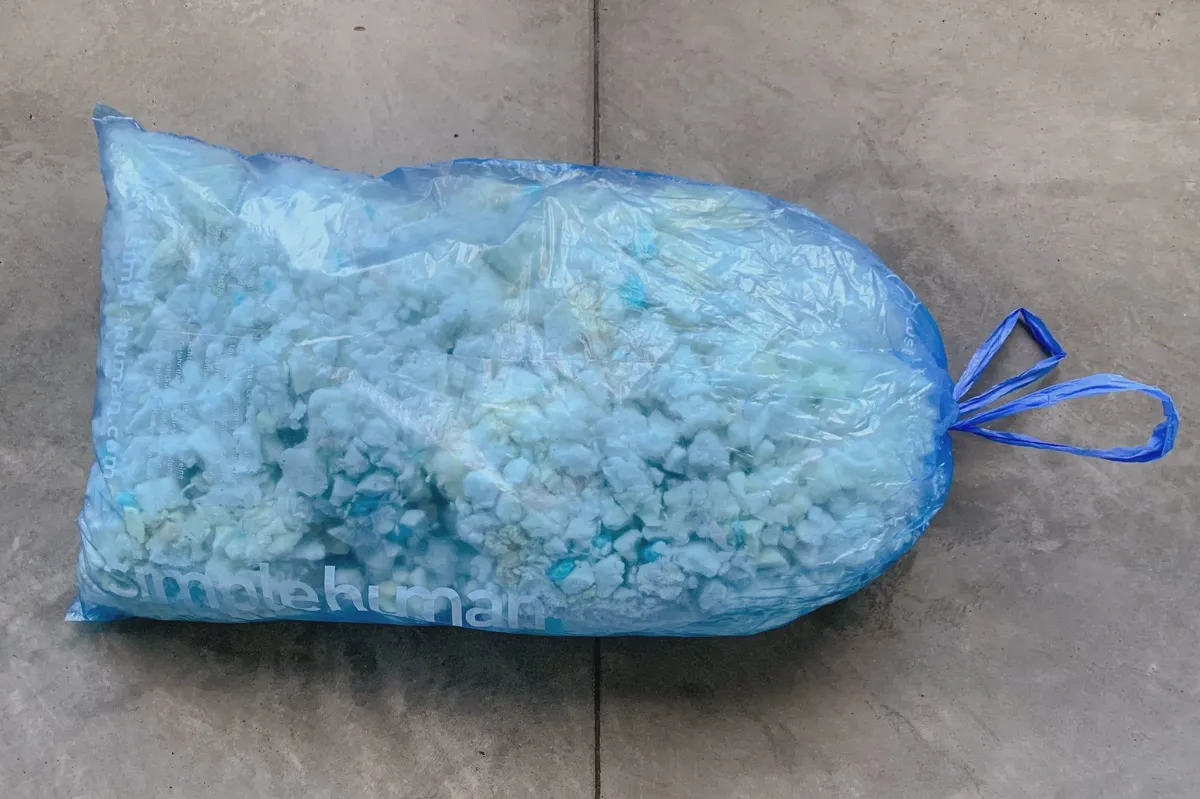
Some shredded-foam pillows have removable inner bags whose contents can be machine-washed on a delicate cycle inside a mesh laundry bag - check the care tag. If there's no inner bag, treat shredded foam exactly like solid foam: spot-clean or hand-wash only.
When should I replace a memory foam pillow instead of washing it?
Memory foam pillows last 18-36 months. Replace yours if it stays compressed after fluffing, smells musty after a deep clean, has visible foam crumbling, or no longer supports your neck without folding it in half. Washing won't restore lost loft.
Is it safe to use a hair dryer to speed drying?
No. Heat above 110°F breaks down the polyurethane bonds in memory foam, leaving the surface brittle. A cool, oscillating fan is the only safe accelerator.
The shortcut: protect, then clean less
A waterproof pillow protector under your normal pillowcase blocks the sweat, oils, and drool that drive 95% of pillow stains. Wash the protector on cold every two weeks, and your foam pillow may only need one deep hand-wash per year. That's the trade most sleep editors make - including ours.