The 60-second answer
You need a bunkie board if any of these are true: your bed slats are spaced more than 3 inches apart, your mattress is memory foam or latex on a slatted base, your manufacturer warranty requires a flat solid foundation, or your current platform sags. You can skip it if you already have a box spring, a solid platform deck, or slats spaced 3 inches or less apart.
Below: the slat-spacing test, a mattress-by-mattress matrix, a plywood-vs-bunkie comparison, and how to choose the right thickness and material.
What is a bunkie board?
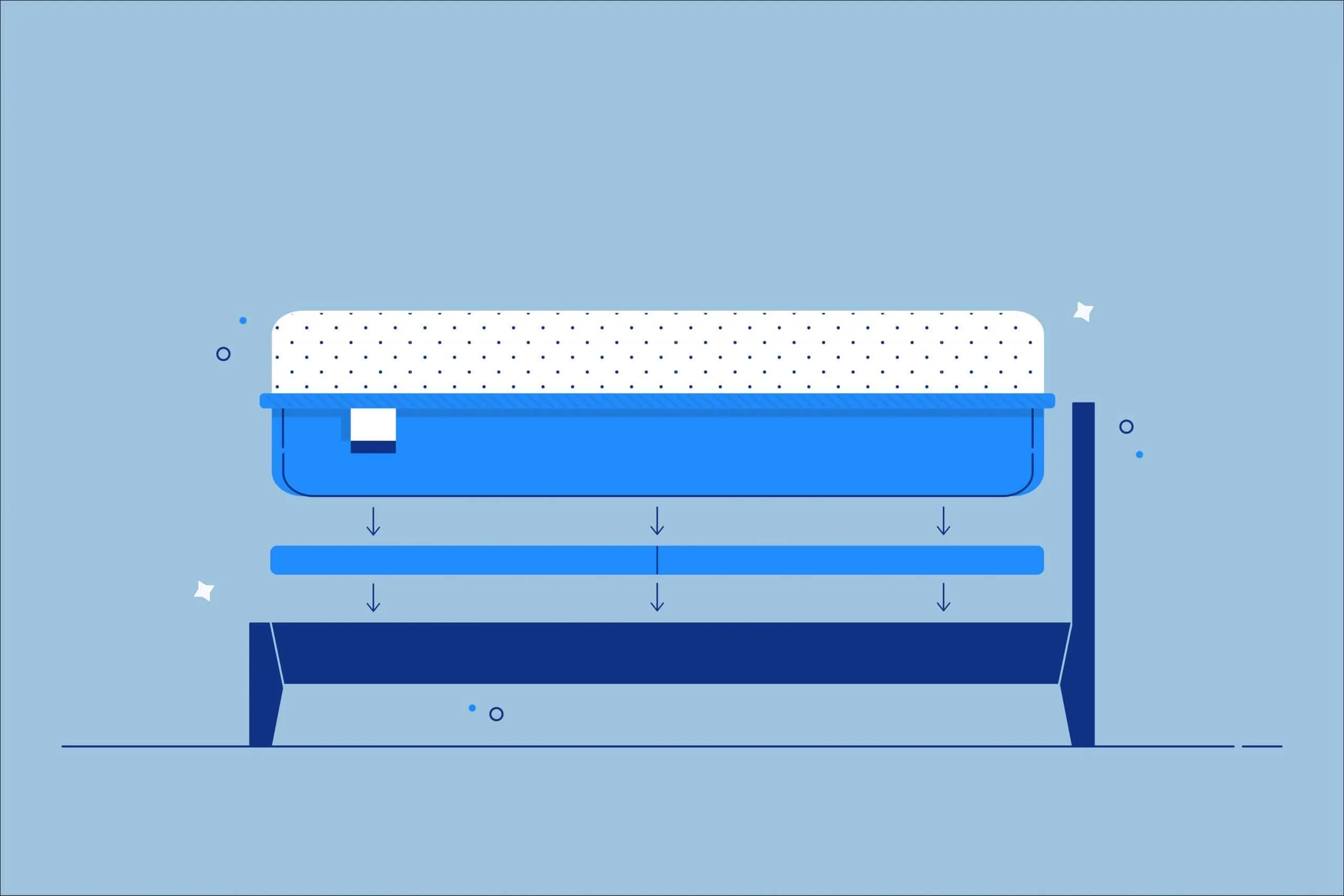
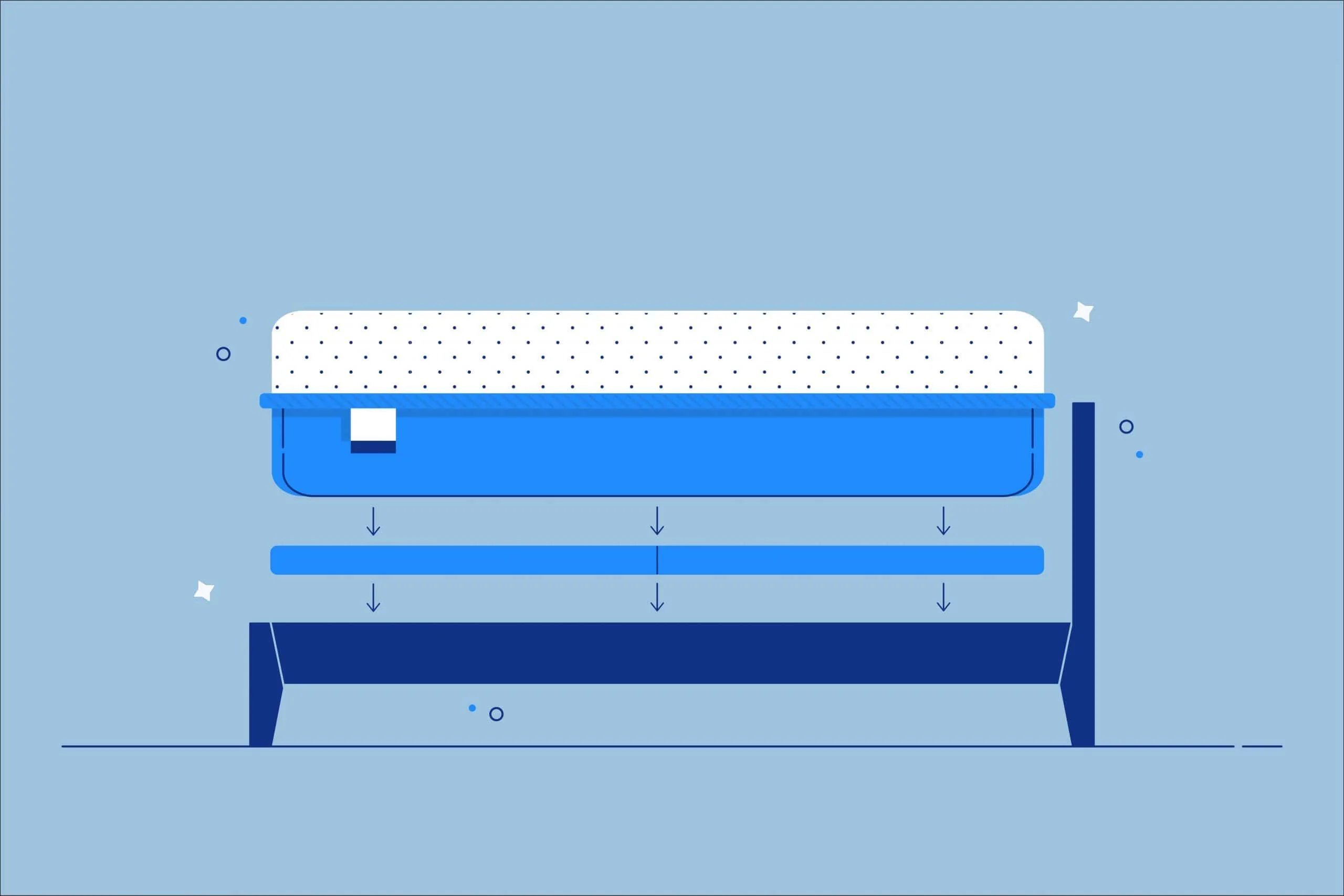
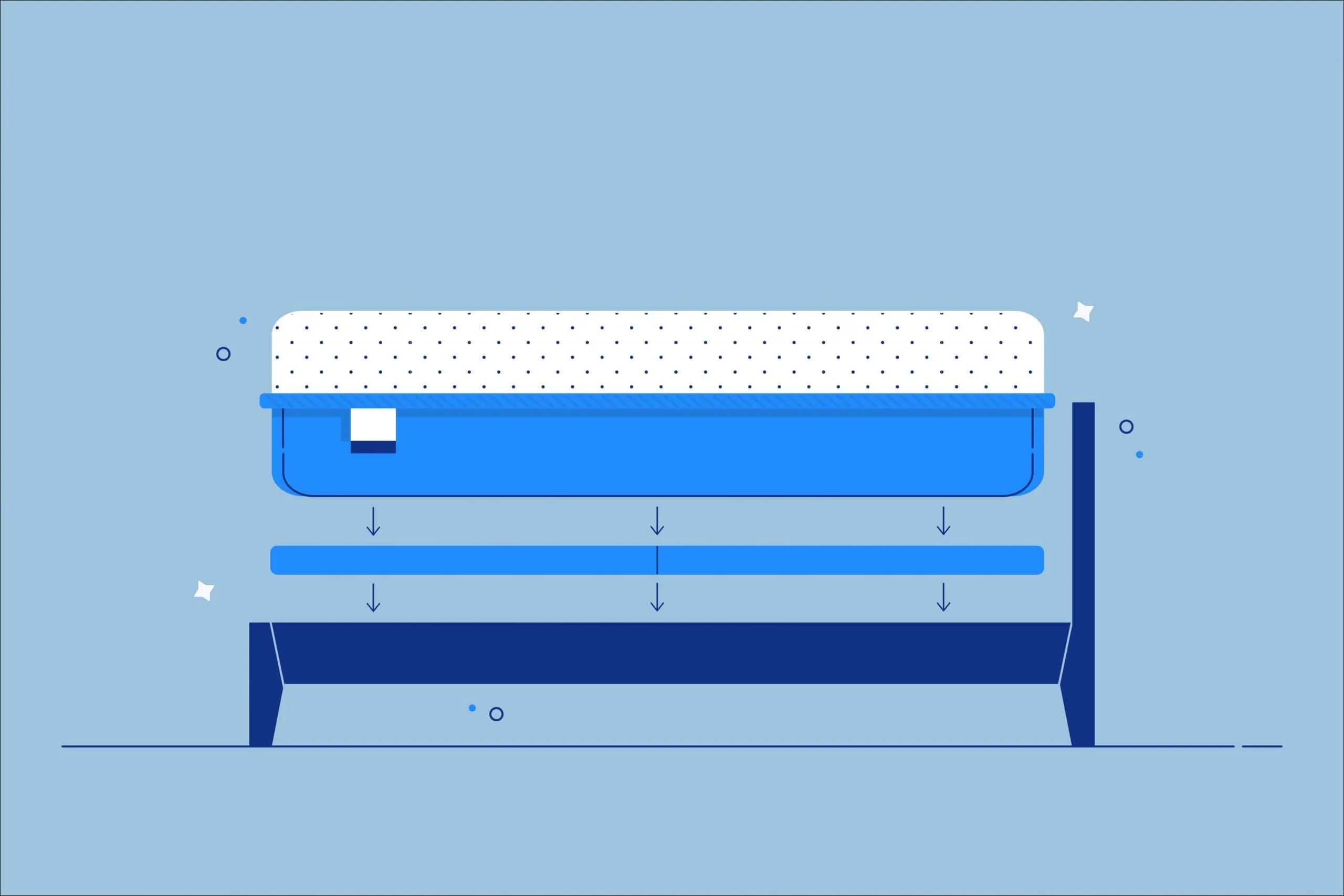
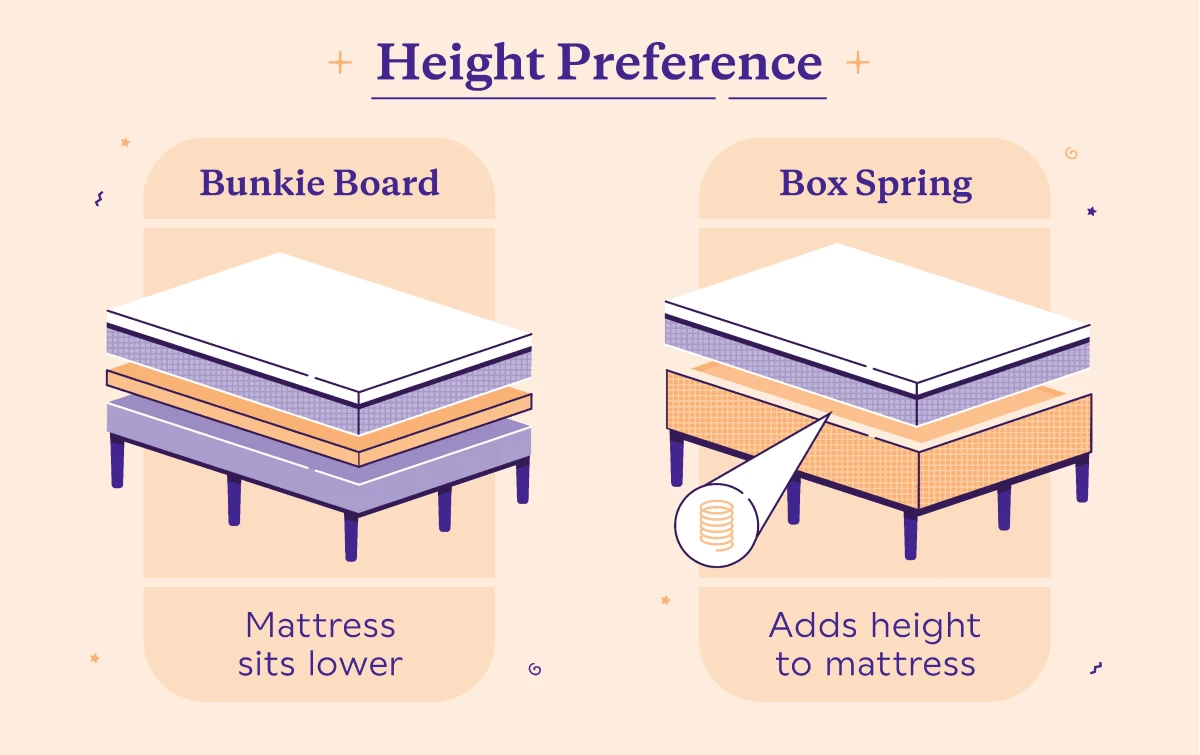
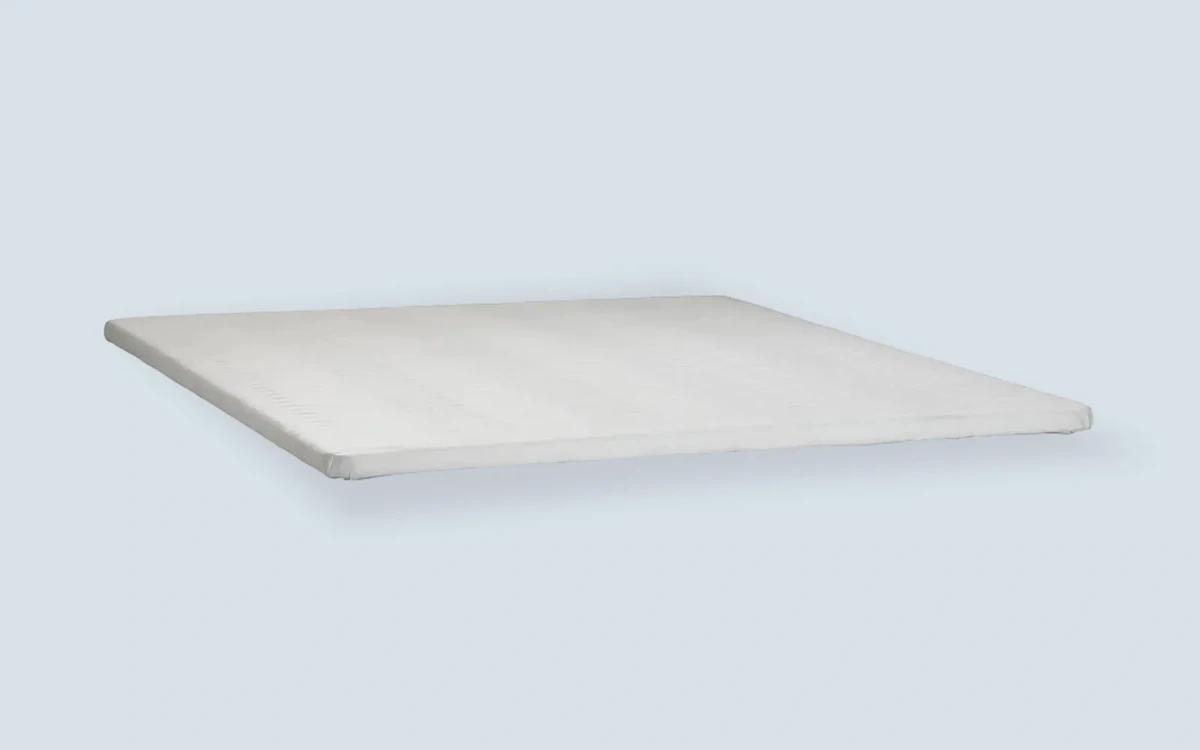
A bunkie board is a thin (1-3 inch) flat panel of plywood, particleboard, or steel that sits between your mattress and its foundation. It was originally invented for bunk beds - hence the name - to give a low-profile alternative to a box spring. Today it's used anywhere a mattress needs a firm, even surface but you don't have the headroom (or desire) for a 9-inch box spring.
Most bunkie boards are sold either as a single solid panel or as a hinged/split panel that folds for shipping. Better ones add foam-padded edge tape to keep the board silent against a metal frame.
The slat-spacing test (do this first)
Before you buy anything, measure the gap between your bed's slats. This is the single most important factor.
- 0-3 inches: You don't need a bunkie board. A modern foam, latex, or hybrid mattress will be supported correctly.
- 3-5 inches: You probably need one. Foam will sag into the gaps over time, voiding most warranties.
- 5+ inches: Bunkie board is non-negotiable. Without it your mattress will fail in months.
Solid platform decks (no slats), box springs, and adjustable bases all count as fully supported - no bunkie board needed.
Mattress type matrix
Even with the right slat spacing, some mattress constructions are pickier than others.
Memory foam
Foam needs an even surface or it will mold to the gaps and develop permanent dips. On any slatted base with gaps over 3 inches, add a bunkie board. On a solid platform, skip it.
Latex
Latex is denser and heavier than memory foam, so the support requirement is the same - but ventilation matters more. Use a slatted bunkie board (or place a solid bunkie board over wider-spaced slats) to preserve airflow through the latex's open-cell structure.
Hybrid (foam + coils)
Hybrids tolerate slightly wider slat gaps because the coil layer distributes weight, but most warranties still cap gaps at 3-4 inches. When in doubt, add the board.
Innerspring
Traditional innerspring mattresses are the most forgiving and historically paired with a box spring. If you've removed the box spring to lower bed height, a bunkie board is a clean substitute.
When a bunkie board makes sense
- Slat gaps over 3 inches
- Memory foam or latex on slats
- Old box spring is sagging
- Need to lower bed height (no room for box spring)
- Bunk bed or trundle frame
- Warranty requires solid flat foundation
When you can skip it
- Solid platform deck (no slats)
- Slat gaps 3 inches or less
- Functional box spring already in place
- Adjustable base (the base IS the foundation)
- Manufacturer specifically prohibits one (rare; check warranty)
Plywood vs bunkie board: are they the same?
A sheet of hardware-store plywood will technically support a mattress, but it isn't a free swap.
- Ventilation: Solid plywood traps heat and moisture. Foam and latex mattresses need at least some airflow underneath, which is why slatted bunkie boards exist.
- Edges: Raw plywood has sharp corners that can tear mattress fabric. Bunkie boards ship with finished, padded edges.
- Warranty: Some mattress brands explicitly require a slatted or rated foundation. A plywood sheet may technically satisfy the flat-surface requirement but invalidate the airflow clause - check your warranty before improvising.
- Cost: A queen plywood sheet runs $40-60. A queen bunkie board runs $60-120. The premium buys you finished edges, sometimes a slatted design, and almost always a fitted size.
Verdict: plywood works in a pinch, especially for an innerspring. For foam or latex, spend the extra and get a real bunkie board.
How to pick the right one
- Thickness: 1.5-2 inches is the sweet spot. Anything thinner flexes; thicker raises mattress height needlessly.
- Material: Hardwood and steel last longer than particleboard. Particleboard is fine for a guest room or short-term use.
- Slatted vs solid: Slatted preserves airflow (better for foam and latex). Solid is fine for innerspring.
- Split vs one-piece: Split (folding) ships through doorways and up stairs. One-piece is marginally more rigid.
- Padded edges: Foam tape on the perimeter keeps the board silent against a metal frame. Worth the small upcharge.
- Size: Match your mattress, not your frame. Twin, full, queen, king, and California king are all standard.
Frequently asked questions
Do I need a bunkie board if my bed has slats?
Only if the slat gaps are wider than 3 inches, or your mattress warranty specifies a flat foundation. With slats spaced 3 inches or less, a modern mattress is fully supported.
Can I use plywood instead of a bunkie board?
For an innerspring mattress, yes. For memory foam or latex, a slatted bunkie board is better - solid plywood traps heat and moisture, which can void some warranties. If you must use plywood, drill ventilation holes.
Do I need a bunkie board with a box spring?
No. A box spring already provides a flat, supportive surface. Stacking a bunkie board on top is redundant and raises the bed unnecessarily.
Will a bunkie board make my mattress feel firmer?
Slightly, yes. By eliminating slat flex, the mattress sits on a fully rigid surface and feels marginally firmer than it does on slats alone. The difference is usually noticeable but not dramatic.
How long does a bunkie board last?
Hardwood and steel boards last 10+ years. Particleboard typically lasts 3-5 years before sagging or chipping at the edges.
Do adjustable beds need a bunkie board?
No. The adjustable base itself is the foundation - adding a rigid bunkie board would prevent the base from articulating.