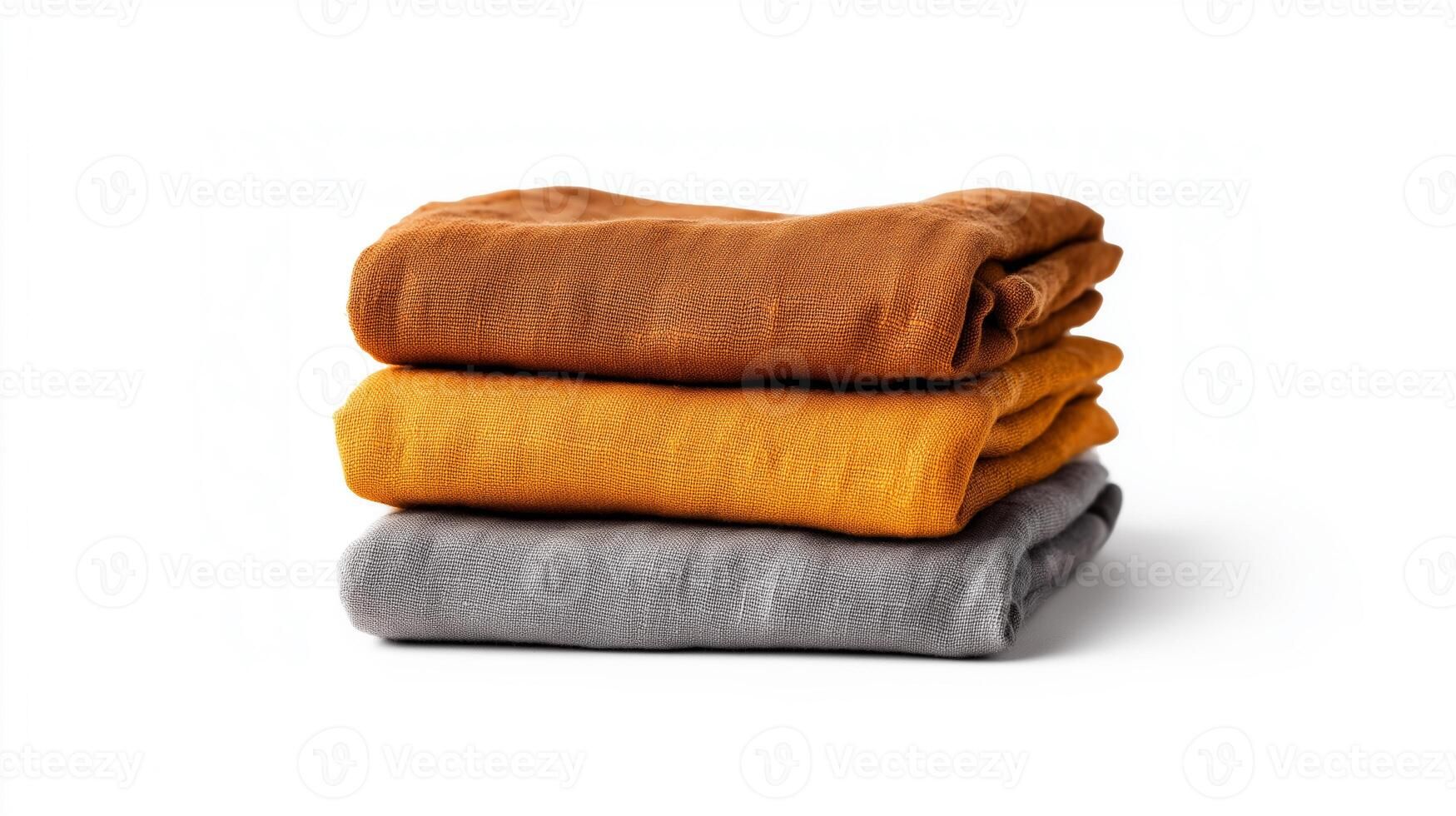
Yes - 100% cotton shrinks. Most pre-shrunk cotton loses about 2-5% on its first wash, while untreated cotton can shrink up to 20% if it meets hot water or a hot dryer, according to Whirlpool's laundry guide and fabric-care references. The good news: almost all of that shrinkage is preventable once you know what's actually happening to the fibers.
This guide covers the science of why cotton contracts, how much shrinkage to expect from the wash versus the dryer, and the exact settings that keep cotton sheets, t-shirts, and bedding their original size. The same rules apply to the cotton sheets, pillowcases, and mattress covers most of us sleep on every night, so getting laundry day right matters for your bed as much as your wardrobe.
Why does cotton shrink?
Cotton fibers are mostly cellulose, and cellulose loves water. When cotton gets wet, the fibers swell; when they dry under heat, they contract and tighten back up. During spinning and weaving, manufacturers stretch those fibers under tension to make a smooth, uniform fabric. Heat and moisture release that tension and the yarns relax toward their natural, shorter length. That's the shrink.
As Cornell chemical engineer Jillian Goldfarb explained to Live Science, the hydrogen-bond network that holds woven cotton together can rearrange when soaked and heated, which is why a single hot wash or hot dryer cycle can do most of the damage. Synthetics like polyester resist shrinking because their fibers don't swell the same way.
How much does cotton shrink?
The exact number depends on three things: whether the fabric was pre-shrunk (sometimes labeled "sanforized"), how it was knit or woven, and how hot the wash and dry cycles ran.
- Pre-shrunk / sanforized cotton: typically 2-5% on the first wash, then stable.
- Untreated 100% cotton: up to ~20% across the first wash and dry, especially in hot water plus a hot dryer.
- Cotton-poly blends: usually <2% - the polyester fibers stabilize the weave.
- Knits (t-shirts, jersey sheets): shrink more than woven fabrics like percale because looser loops have more room to contract.
Real-world testing by Ruler of London across four cotton t-shirt brands found an average length shrinkage of about 4.8% - within the 3-7% range most laundry guides quote. Width usually shrinks slightly less than length.
Wash vs. dryer: which one shrinks cotton more?
The dryer is the bigger culprit. Hot water in the wash starts the swelling, but the heat and tumbling of a dryer is what actually contracts the fibers and locks the smaller size in. A 100% cotton item washed in cold water and air-dried may not shrink measurably at all; the same item washed cold and tumbled on high can still shrink several percent.
How to keep cotton from shrinking
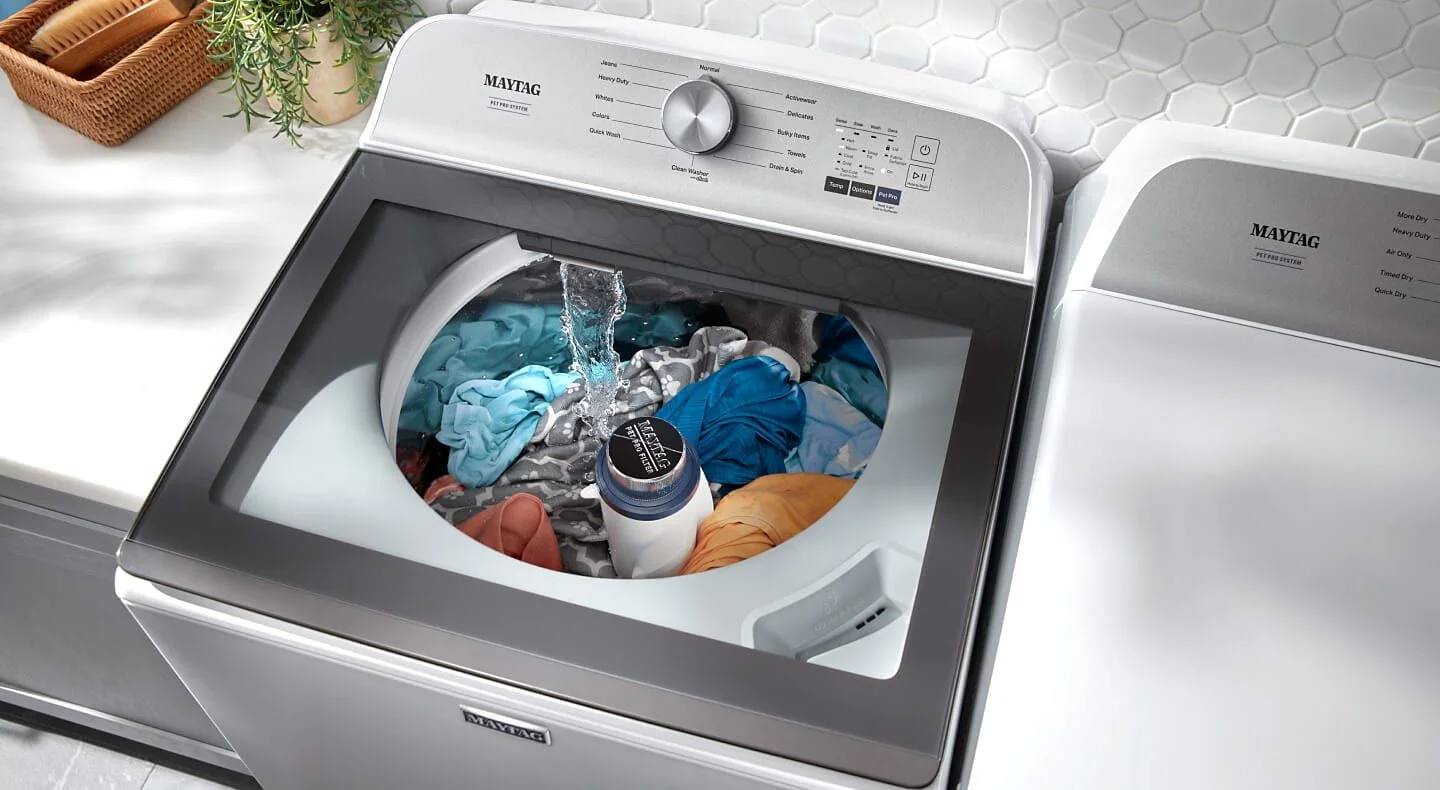
Cotton shrinks because of heat plus agitation plus moisture. Take any one of those out of the equation and the fabric mostly stays put. The settings below are the consensus across major laundry guides (Whirlpool, Maytag, Real Simple, The Spruce).
1. Wash in cold water
Cold or room-temperature water (below ~85°F / 30°C) keeps cellulose fibers from swelling as much. Use a gentle or delicate cycle to cut down on agitation, and don't overload the drum - friction between garments tugs at the weave.
2. Air-dry whenever you can
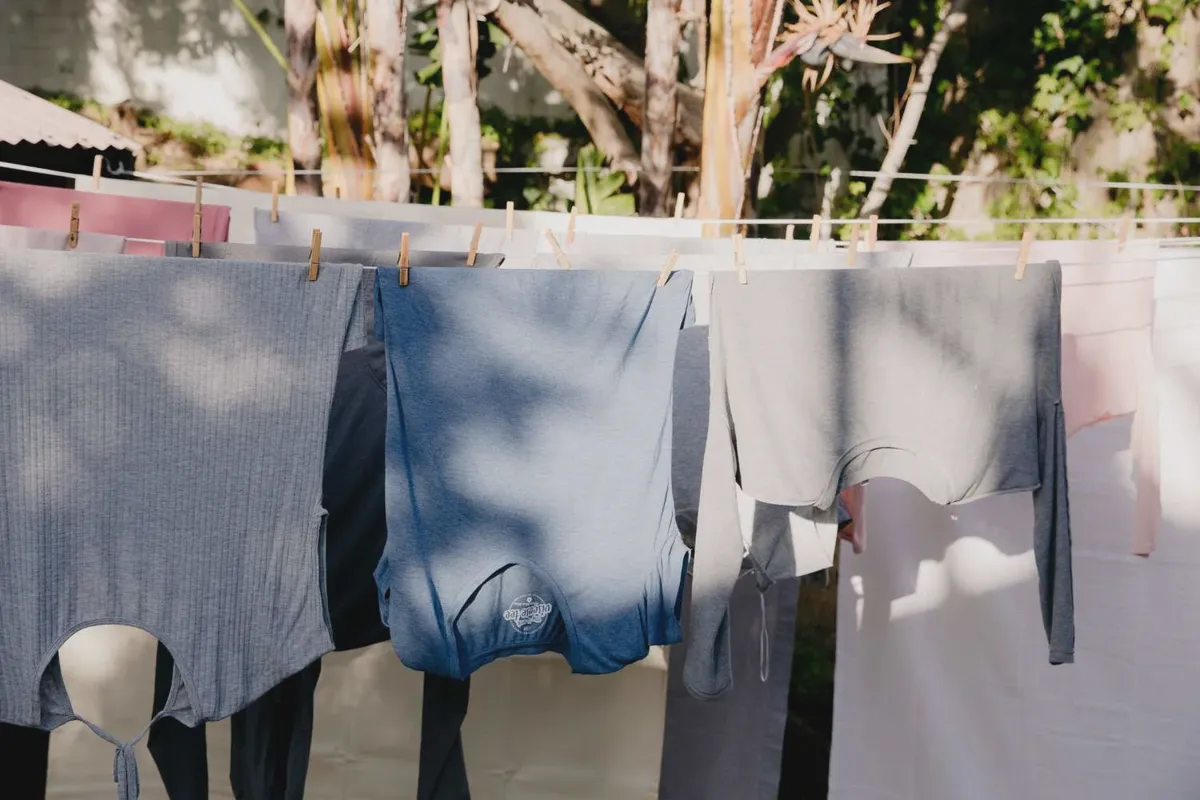
Hanging cotton on a drying rack, line, or padded hanger is the single biggest shrink-preventer. It takes 12-24 hours depending on humidity and fabric weight, but the fabric dries at room temperature and skips the heat that drives most shrinkage. For sheets and towels, a clothesline or a folding rack works best - flat-drying knits keeps them from stretching at the shoulders.
3. If you must use the dryer, use no-heat or low-heat
An "air fluff," "no heat," or "tumble dry low" setting is dramatically safer than medium or high. Pull items out while still slightly damp and finish them on a hanger - the last few percent of moisture is when the most shrinkage happens.
4. Read the care label
If a label says "machine wash cold, tumble dry low," follow it - manufacturers test for the temperature where their specific fabric stays stable. Pre-shrunk sheets and shirts are often safe on warm and low-tumble; untreated cotton is not.
Can you un-shrink cotton?
Sometimes - within a size or so. Real Simple and Laundry Sauce both walk through the same two-step trick most fabric experts recommend:
- Soak the item for 15-30 minutes in lukewarm water with a tablespoon of baby shampoo or hair conditioner. The conditioner relaxes the cellulose fibers.
- Gently squeeze (don't wring) out excess water, lay the garment on a flat towel, and pull it back toward its original shape. For a t-shirt, work from the hem and sleeves outward; for a fitted sheet, stretch corner-to-corner. Let it air-dry flat.
This rarely recovers a full size and won't help fabric that was already worn thin or felted. It's a salvage move, not a fix - prevention is far more reliable.
What about cotton sheets and bedding?
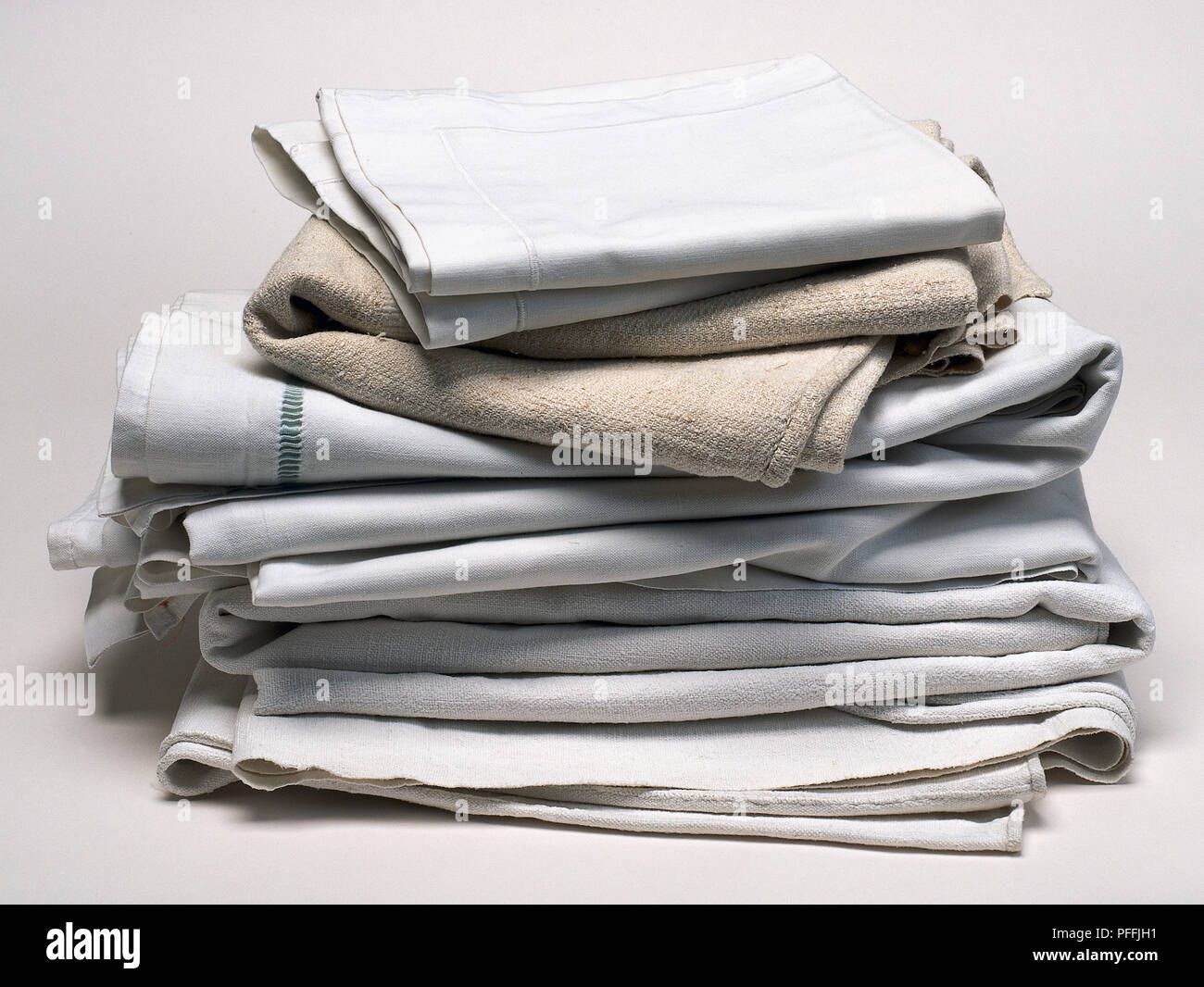
Cotton sheets follow the same rules as clothes, with one extra wrinkle: a fitted sheet that shrinks even 3-4% can stop fitting a deep mattress. If you've got a pillow-top or hybrid mattress over 12 inches deep, buy sheets labeled "deep pocket" and wash them cold the first time. Once they've gone through one full wash-and-air-dry cycle without shrinking, you'll know they fit. Percale (woven) sheets tend to hold their dimensions better than jersey-knit cotton sheets.
The same applies to mattress covers and protectors - most are cotton or cotton-blend, and a hot dryer cycle is the fastest way to make them suddenly too small for the mattress. Cool wash, low or no heat, and you'll get years out of them.
Cotton shrinkage FAQ
Should I size up if a shirt is 100% cotton?
If the label says "pre-shrunk" or "sanforized," the size you try on is usually the size you'll keep - figure 2-5% shrinkage at most. If it's untreated 100% cotton with no pre-shrunk note, sizing up one size is reasonable, especially if you plan to machine-dry it.
How quickly does cotton shrink?
Most shrinkage happens in the very first wash and dry cycle. After that the fibers have already relaxed to their natural length and subsequent washes cause much less change, as long as you keep using the same temperature settings.
How many sizes does 100% cotton shrink?
Usually less than one full size - around 3-5% in length and slightly less in width. In a worst case (hot wash plus hot dryer on untreated cotton) it can lose close to a full size, roughly 15-20%.
Does cotton shrink in cold water?
Far less than in hot water. Cold water keeps the fibers from swelling as much, so most of the shrinkage you see from a cold wash actually comes from the dryer afterward, not the wash itself. Cold wash plus air dry is the gold standard.
Does cotton keep shrinking every time you wash it?
Not really - most of the shrink happens on the first wash. But every time you expose cotton to hotter water or a hotter dryer than it has seen before, it can shrink a little more. So a shirt that has been cold-washed for a year may still shrink if you suddenly put it through a hot cycle.
Is a cotton-polyester blend better if I want to avoid shrinkage?
Yes. Polyester fibers don't swell or contract with heat, so they hold the weave in place. A 60/40 cotton-poly blend typically shrinks under 2%, even after rough laundering - at the cost of a bit less breathability than 100% cotton.
Shopping for cotton sheets that fit?
Banner Mattress carries deep-pocket cotton sheets and pre-shrunk bedding sized to fit pillow-top and hybrid mattresses. Stop by a showroom or browse our bedding guides for picks that wash well over time.