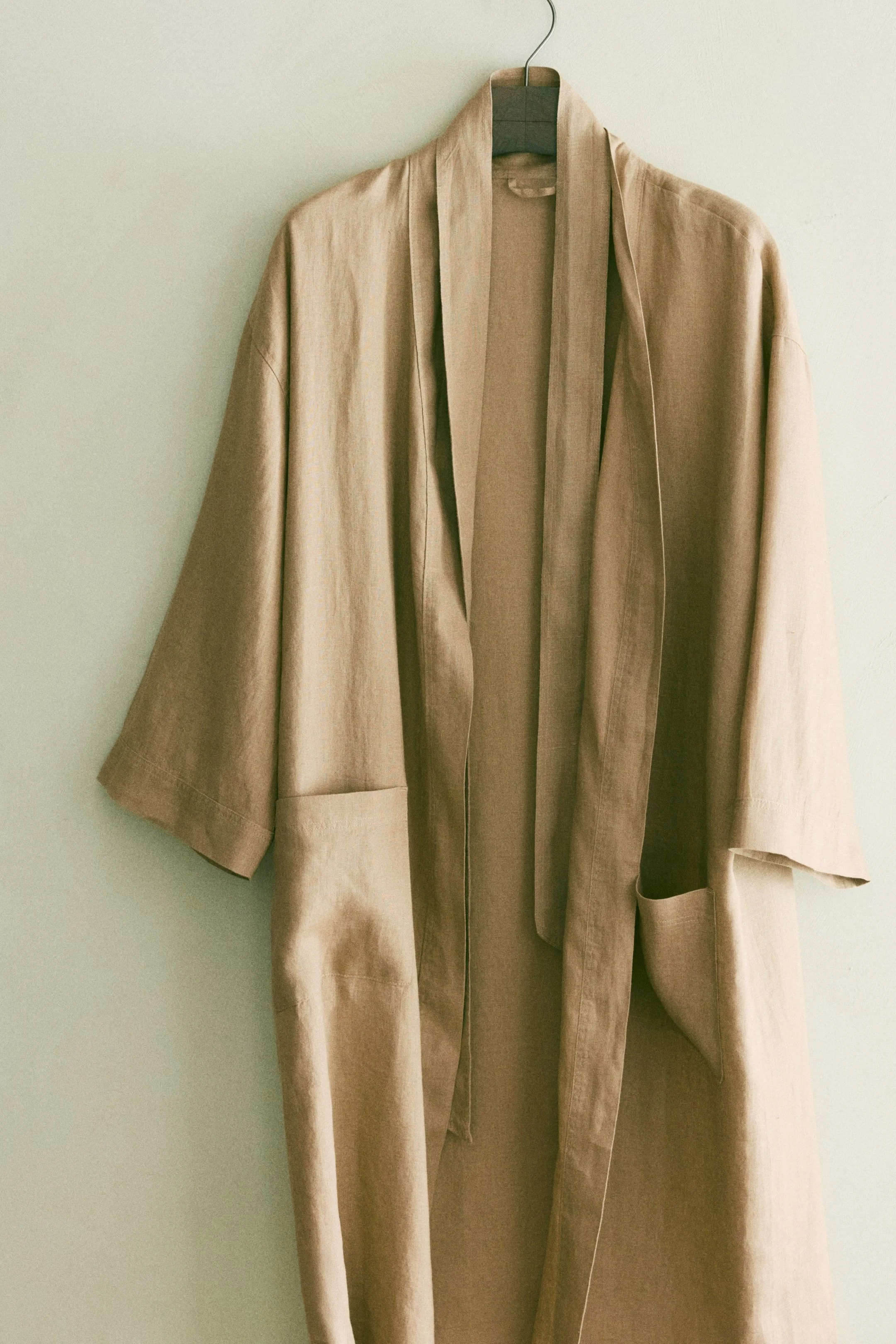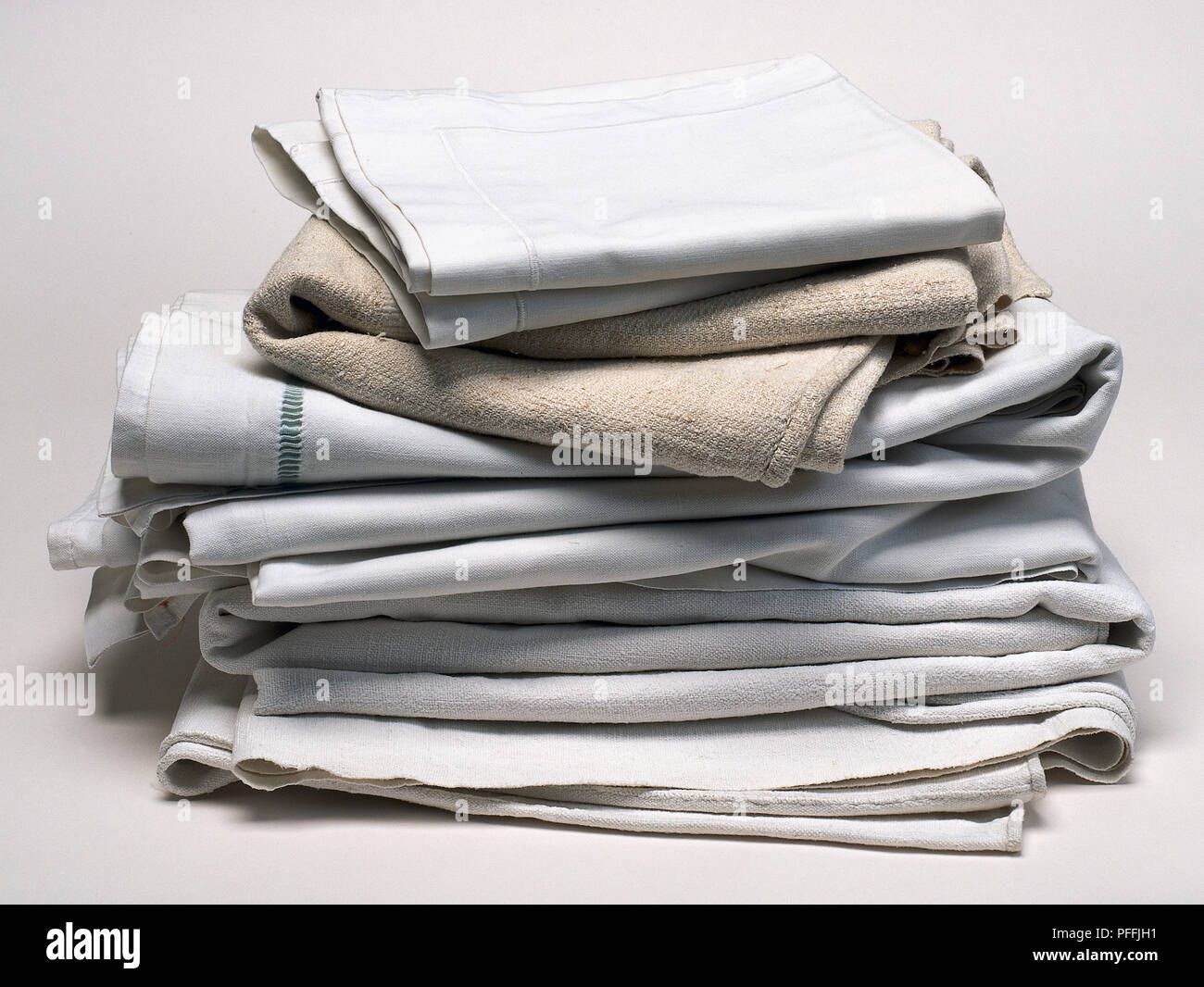
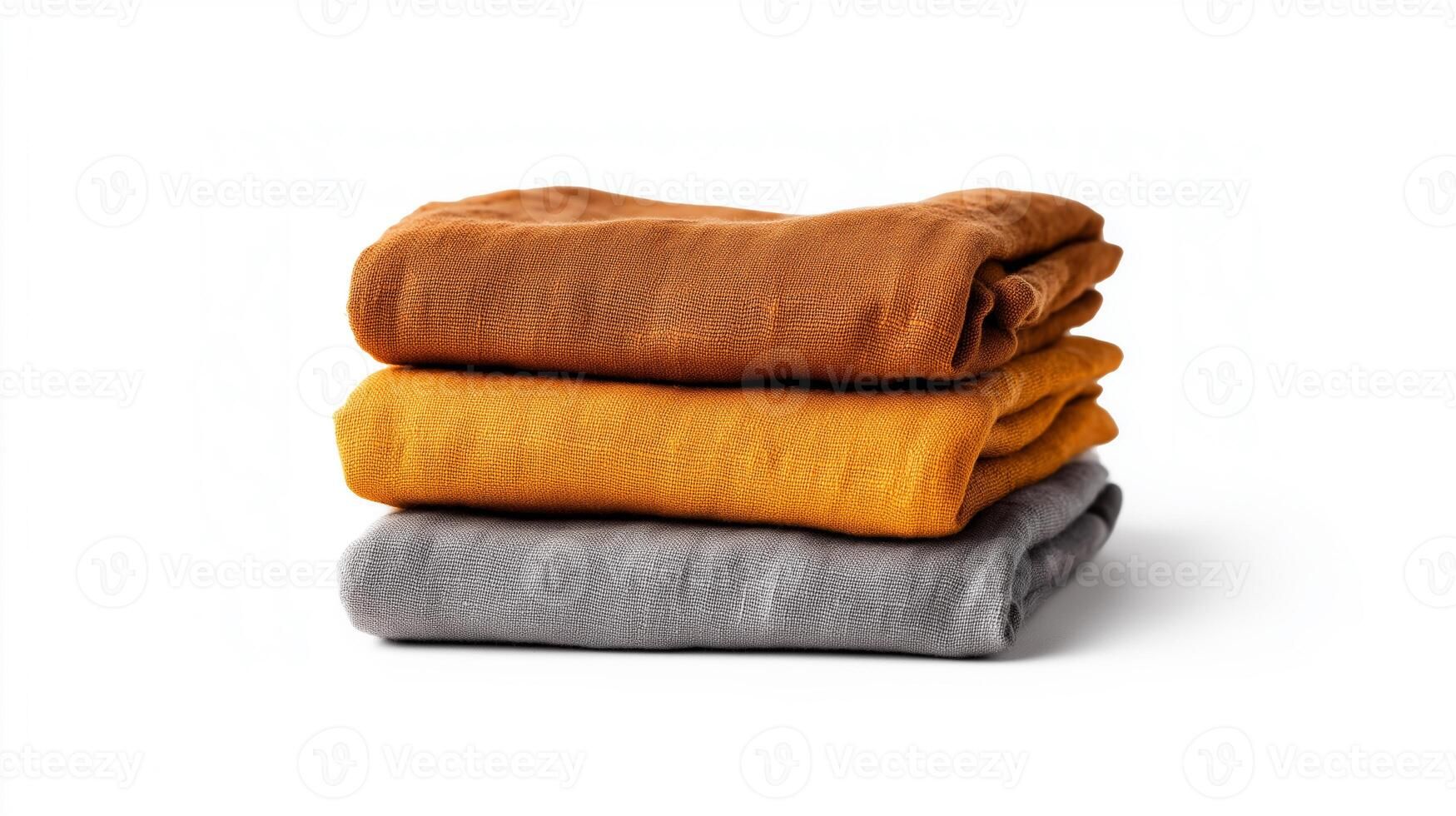
Short answer: yes, linen shrinks. Most of the change - usually 3% to 10% - happens on the very first wash, and it lands mostly in the length, not the width. After that, properly cared-for linen is dimensionally stable. The risk is heat: hot water plus a hot dryer is what turns a normal 4% shrink into a closet-clearing 15% disaster.
If your sheets, shirts, or curtains are labeled "pre-washed" or "stonewashed," most of that initial shrinkage already happened at the factory - you'll see closer to 1-2% on the first home wash. Untreated raw linen behaves very differently, which is why size charts can feel misleading.
How much does linen actually shrink?
Linen shrinkage is well documented across textile industry sources. The numbers below reflect what to expect from a typical 100% linen garment or sheet, washed in a home machine on its first laundering.
Two factors push the headline number around. The first is direction: linen shrinks more along the length than across the width, with most testing landing at roughly 3% in length and 2% in width on a typical first wash. The second is fabric grade. Lower-grade, untreated linen washed or dried incorrectly can lose 10 to 15% of its dimensions, while high-quality pre-washed linen typically settles at 3 to 4%, and most of that has already happened at the factory before the garment ships.
Cold wash, air dry - the safe routine
Expected shrink: 1-3%, mostly in length. Fibers relax slightly on the first wash but stay close to spec. This is the routine to use for pre-washed linen sheets and dresses you want to keep true to size.
Warm wash, low-heat tumble - the standard
Expected shrink: 3-5%, in length and slight width. Acceptable for most pre-washed linen and everyday linen blends, but expect more shrinkage than the cold-water route.
Hot wash, high-heat dry - what destroys linen
Expected shrink: 10-15%, with length, width, and weave distortion all affected. High heat compresses flax fibers permanently, and most of this damage is irreversible. Avoid.
Why linen shrinks (and why it does it more in length than width)
Linen comes from flax bast fibers, which are naturally long, hollow, and highly absorbent. When the fiber soaks up water it swells across its diameter and contracts along its length - a phenomenon textile engineers call hygral expansion. That's why a linen shirt usually loses sleeve and torso length first, while the width holds reasonably steady.
Heat speeds this up. Hot water (above 100°F) and hot dryer cycles cause the fibers to relax and then re-set in a tighter configuration. Once that happens, the fabric will not return to its original dimensions without aggressive stretching while damp.
If you want the mechanism in five steps:
- Flax fibers start out slightly wavy. That is simply how the plant grows.
- Weaving pulls those fibers straighter, so the finished fabric carries built-in tension.
- Water releases that tension and the fibers begin to relax.
- The fibers return to their natural shape, which happens to be slightly shorter than the woven length.
- Heat accelerates every step above, which is why hot washes and hot tumble dryers do the most damage.
That is also why most shrinkage is a one-time event. Once the fibers have dried in their relaxed position, they tend to stay put through future washes.
Does linen shrink more than cotton?
Slightly less, on average. Untreated cotton typically loses 5-8% on its first wash; untreated linen averages 3-7%. The difference flips when you compare pre-washed versions: stonewashed linen is famously stable, while preshrunk cotton can still creep another 2-3% over time.
Linen also recovers shape better than cotton when stretched while damp - useful if you do over-shrink a piece.
For the full breakdown on flax elasticity and reshaping, see our guide on does linen stretch.
How to wash linen without shrinking it
The goal is to let the fibers move and rinse cleanly without exposing them to heat or mechanical stress. A simple machine routine that holds up across sheets, shirts, and curtains:
- Wash at 30°C (about bath-water warm) on a gentle cycle. Warm enough to clean, gentle enough that pre-washed pieces come out the same size they went in.
- Turn garments inside out before loading. Protects the outer fibers, and colors stay richer for longer.
- Use a mild liquid detergent. Skip fabric softener and bleach; both attack flax fibers over time.
- Do not overload the drum. Linen needs room to move so the weave is not crushed by other laundry.
- Never wring or twist wet linen. Press water out gently between two towels and reshape while damp.
Hand-washing sounds gentler, but wringing the water out of a king sheet is harder than it looks. The machine is usually the safer choice as long as the cycle and temperature are right.
Do
- Wash cold or lukewarm (≤ 100°F / 40°C) on a gentle cycle.
- Use a mild liquid detergent - powders can leave residue in flax fibers.
- Wash linen with linen, separated from heavy cotton or denim that will abrade it.
- Fill the drum loosely so garments can move; overpacking is what creates permanent crease lines.
- Pre-treat stains with white vinegar or oxygen bleach before washing, never after drying.
Avoid
- Hot water above 100°F - this is the single biggest cause of irreversible shrinkage.
- Chlorine bleach. It weakens flax fibers and yellows over time.
- Fabric softener. It coats flax and reduces its natural breathability.
- High-spin cycles for fitted items, which set deep wrinkles into damp fabric.
How to dry linen without shrinking it
Air-drying is best. Lay flat or hang from a sturdy rod - the fabric is heavy when wet and clip marks can permanently mark fine weaves. If you must use a dryer, run it on the lowest heat setting and pull the items out while still slightly damp. Finishing the dry on a hanger preserves length and drape, and makes ironing easier.
Never tumble linen fully dry on high heat. That's where the 10-15% shrinkage numbers come from.
How to unshrink linen that has already shrunk
Mild shrinkage (under 5%) is usually recoverable. Severe shrinkage from high heat is mostly permanent, but you can typically reclaim 1-3% with the right technique.
Step-by-step:
- Soak the garment in lukewarm water with one capful of hair conditioner or baby shampoo for 10-15 minutes - this relaxes the fibers.
- Drain the water without wringing. Press out excess gently between two towels.
- Lay the piece flat on a towel and stretch it gently in the direction it shrank, working from the center outward.
- Pin the corners or weight them down to hold the new shape.
- Air-dry completely flat. Iron on medium with steam while slightly damp to lock in the dimensions.
Pair your linen with a mattress that breathes as well as you do
Frequently asked questions
Does linen shrink every time you wash it?
No. Most shrinkage happens on the first wash. After that, properly cared-for linen is dimensionally stable and won't shrink further unless you change wash conditions (e.g., switch from cold to hot water).
Does linen shrink in cold water?
Minimally - usually 1-3% on the first cold wash. Cold water is the safest temperature for linen and what most manufacturers recommend on care labels.
Does linen shrink in length or width?
Mostly length. Flax fibers swell across their diameter when wet and contract lengthwise, so a linen shirt loses sleeve and torso length first while width holds steadier.
Should you size up when buying linen?
Only for raw, untreated linen. If a garment is labeled pre-washed, stonewashed, or pre-shrunk, the factory has already absorbed most of the shrinkage and you can buy your normal size.
Is linen shrinkage permanent?
Mild shrinkage from cold or warm washing is partly reversible - soak in lukewarm water, gently stretch back into shape while damp, and air-dry flat. Severe shrinkage caused by hot water plus high-heat drying is generally permanent.
Can you put linen in the dryer?
Yes, on the lowest heat setting only, and pull it out while still slightly damp. Tumble-drying linen fully on high heat is the single biggest cause of irreversible shrinkage.
How many sizes can you shrink linen?
Usually no more than one. A 10 to 15% shrinkage event (the worst-case outcome from hot water plus a hot dryer) is roughly the difference between two adjacent garment sizes, which is why a careless wash can make a shirt look like it belongs to someone a size smaller. Within the normal 3 to 5% range, the fit change is more subtle and often recoverable with a damp stretch.