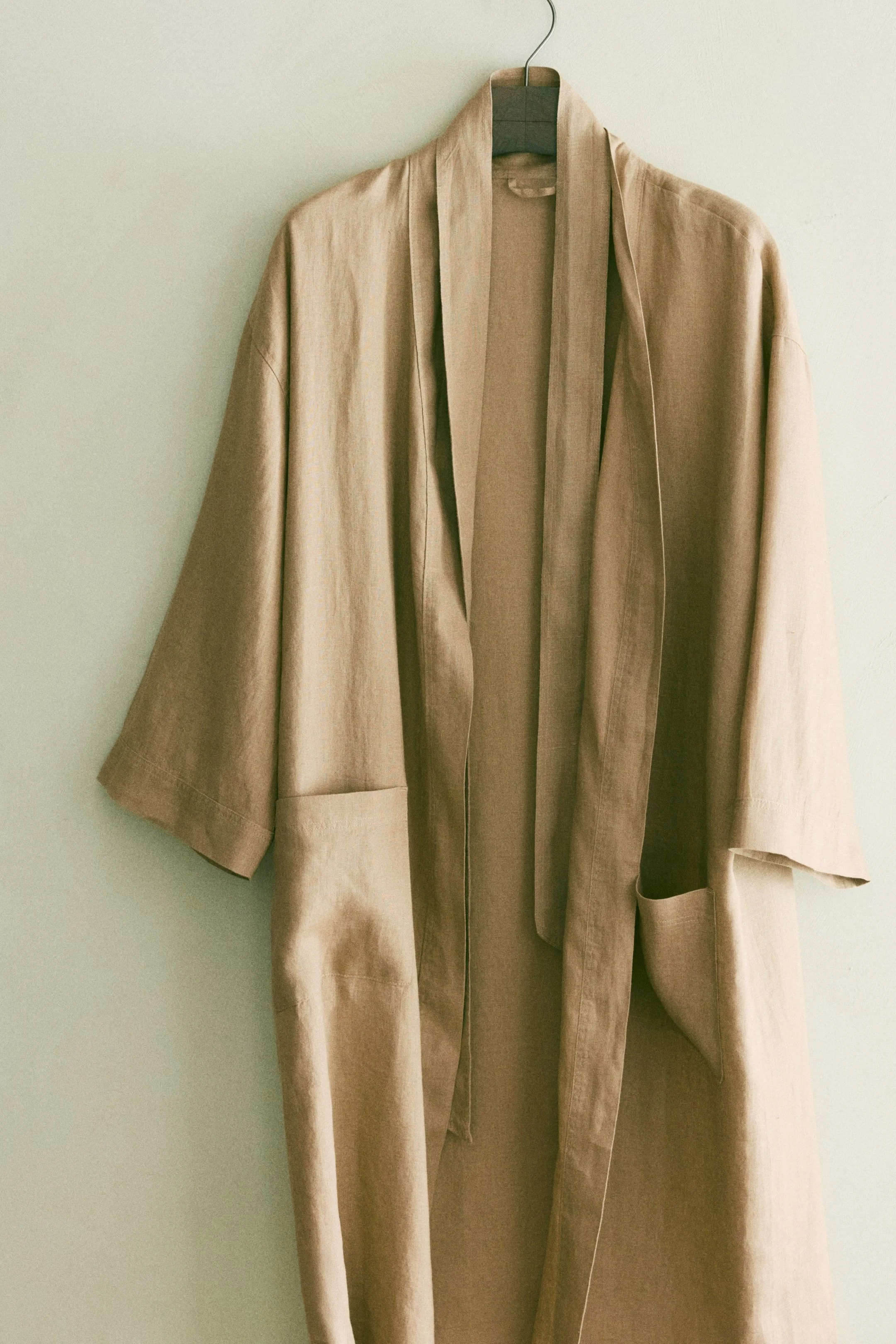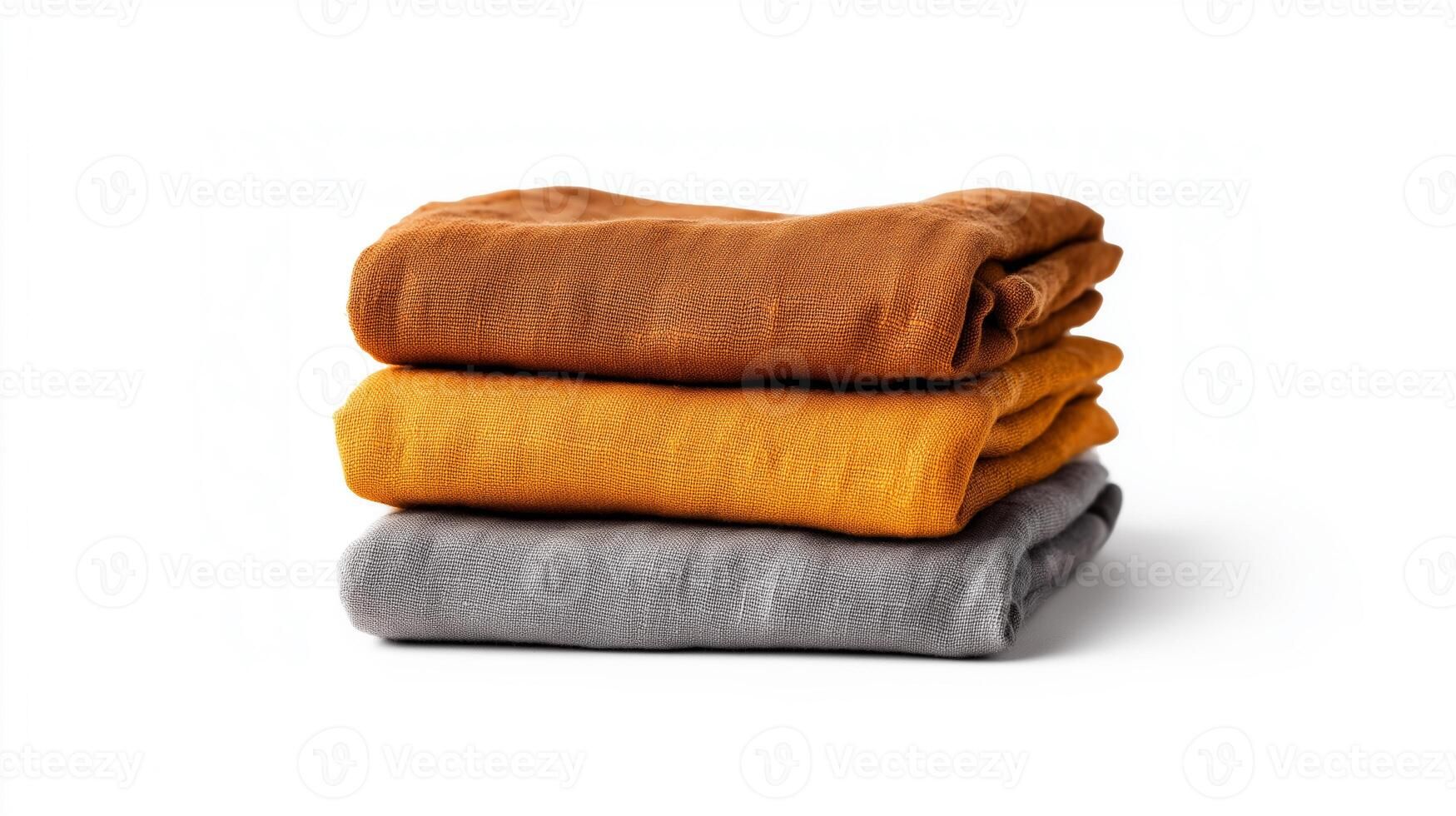
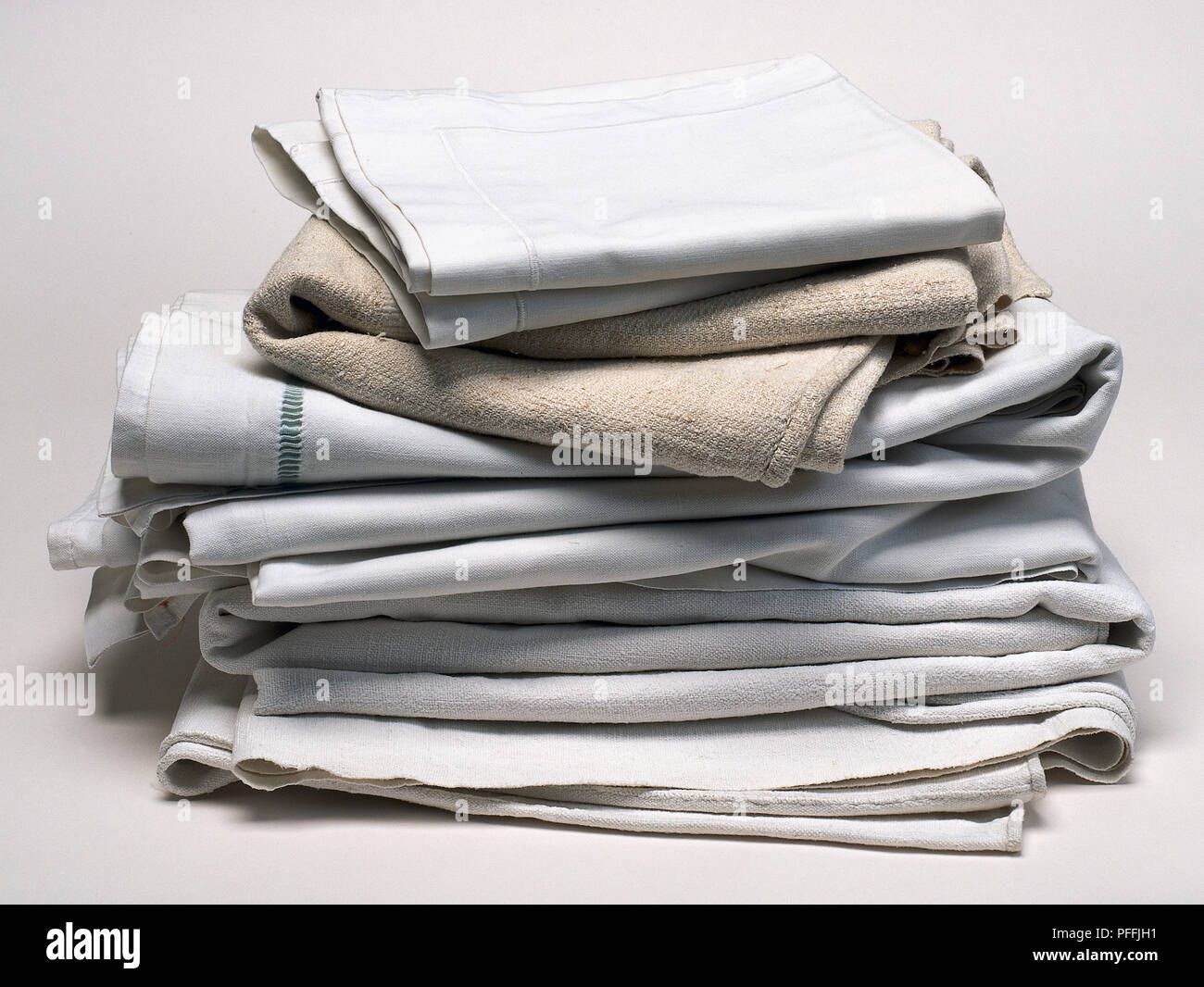
Linen is one of the oldest, sturdiest natural fabrics in the world - and one of the easiest to ruin in a single hot wash. Made from flax fibers, linen is breathable, durable, and gets softer with every cycle, but high heat, harsh detergent, and aggressive agitation can shrink it by up to 10%, weaken fibers, and lock in wrinkles for good.
This guide walks through exactly how to wash linen sheets and clothing - by machine and by hand - plus drying, ironing, stain removal, storage, and the most common mistakes to avoid.
Before You Wash: 4 Quick Checks
- Read the care label. Some linen blends (linen-rayon, linen-silk) need dry cleaning. Pure 100% linen is almost always machine-washable.
- Pre-treat stains immediately. Dab - never rub - with cold water and a drop of dish soap or mild detergent.
- Sort by color. Wash whites, darks, and brights separately. New colored linen can bleed for the first 2-3 washes.
- Don't overload the machine. Linen needs room to move so water and detergent rinse cleanly. Fill the drum no more than two-thirds.
How to Machine-Wash Linen (Step by Step)
Machine washing is safe for almost all 100% linen. The trick is cool water, a gentle cycle, and a mild detergent.
- Place delicates in a mesh laundry bag. Linen blouses, embroidered pieces, and trim-edged sheets benefit from extra protection.
- Set the water to cold or lukewarm (max 30 °C / 86 °F). Anything hotter risks shrinkage of 3-10% on the first wash.
- Choose the gentle or delicate cycle with a low spin speed.
- Use a small amount of pH-neutral detergent. Skip bleach and fabric softener - softeners coat fibers and reduce linen's natural breathability.
- Remove garments immediately when the cycle ends. Wet linen left in the drum mildews fast and sets deep wrinkles.
Cold Water Wins
- Preserves fiber length and strength
- Prevents 3-10% first-wash shrinkage
- Keeps dyed linen from fading
- Saves energy
Hot Water Risks
- Permanent shrinkage that won't relax out
- Faded, blotchy color
- Brittle fibers that break at fold lines
- Set-in stains and odors
How to Hand-Wash Linen
Hand washing is the gentlest option and the right call for vintage linen, embroidered pieces, or anything with a hand-wash-only label.
- Fill a clean basin or sink with cool water and a small amount of mild detergent.
- Submerge the garment fully and let it soak for about 10 minutes.
- Swish gently with an open hand. Do not wring, twist, or scrub - that distorts the weave.
- Drain and rinse with clean cool water until no suds remain (usually 2-3 refills).
- Press out excess water by laying the piece flat between two clean towels and rolling - never twist.
Drying Linen the Right Way
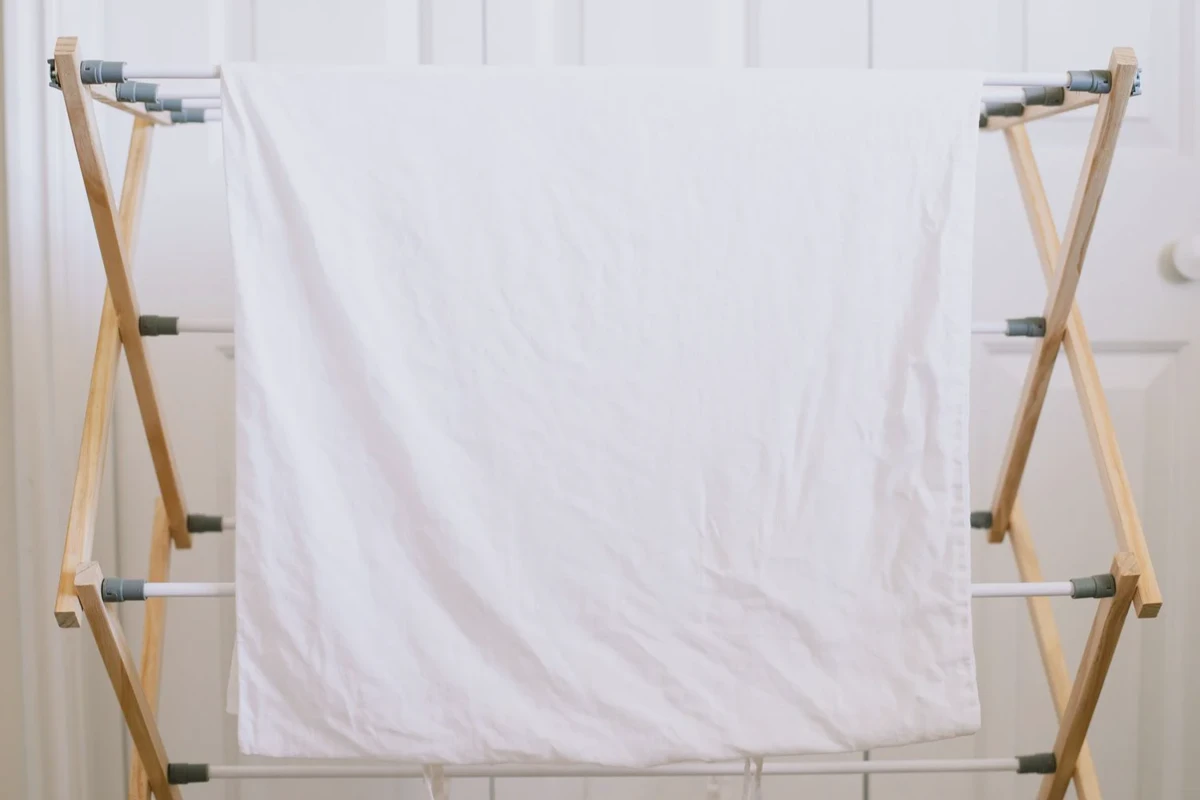
Air drying is best for linen. It minimizes wrinkles, preserves color, and stops heat shrinkage in its tracks.
- Air dry: Hang shirts and pants on padded hangers in the shade - direct sun fades color and stiffens fibers. Lay knits and embroidered pieces flat.
- Tumble dry (only if necessary): Use the lowest heat or air-fluff setting. Pull pieces out while still slightly damp to reduce wrinkles.
- Soften without chemicals: Toss in two or three wool dryer balls instead of liquid softener.
Ironing and De-Wrinkling
Linen wrinkles - that is part of its charm. If you want a crisper look, iron while the fabric is still damp.
- Set the iron to the linen setting (high heat) with steam.
- Iron on the reverse side to avoid shine marks on dark colors.
- If the piece has dried, mist it lightly with water first or use a garment steamer.
Removing Stains from Linen
Linen takes pre-treatment well, but speed matters - fresh stains lift, set stains fight back.
- Food and drink: Blot, then dab cold water and a drop of dish soap. Rinse and wash on the gentle cycle.
- Sweat and yellowing: Soak in cool water with a tablespoon of oxygen-based stain remover for 30 minutes before washing.
- Oil and grease: Sprinkle baking soda or cornstarch on the spot, let it absorb for 15 minutes, then brush off and wash.
- Avoid chlorine bleach - it weakens flax fibers and turns whites yellow over time.
Storing Clean Linen
- Make sure linen is fully dry before storing - even slight dampness causes mildew.
- Use breathable cotton or linen storage bags. Plastic traps moisture and can yellow the fabric.
- Store flat or loosely rolled. Sharp folds in the same place repeatedly can break fibers.
- Keep away from direct sunlight to preserve color.
Common Linen-Washing Mistakes
- Hot water on the first wash - guarantees shrinkage.
- Chlorine bleach - weakens fibers and yellows whites.
- Fabric softener - coats fibers and kills breathability.
- Overloading the drum - leaves detergent residue and deep creases.
- Wringing wet fabric - distorts the weave permanently.
- Leaving wet linen in the machine - mildew and locked-in wrinkles.
Linen Washing FAQs
Can 100% linen go in the washing machine?
Yes. Pure linen is machine-washable on a gentle or delicate cycle in cold or lukewarm water (max 30 °C / 86 °F) with a mild, pH-neutral detergent. Skip bleach and fabric softener, and avoid overloading the drum.
Does linen shrink when washed?
Linen can shrink 3-10% on its first wash, especially if it hasn't been pre-shrunk by the manufacturer. Cold or lukewarm water and air drying minimize further shrinkage. Once linen has been washed a few times, dimensional changes become very small.
What temperature should I wash linen at?
Cold (around 30 °C / 86 °F) is the safest setting for everyday linen. Lukewarm is fine for sheets and towels that need a deeper clean. Anything hotter than 40 °C risks shrinkage, fading, and weakened fibers.
How do I wash linen so it doesn't wrinkle?
You can't eliminate wrinkles - wrinkling is a natural feature of linen - but you can minimize them. Remove pieces from the machine immediately, shake them out, hang on padded hangers or lay flat, and smooth seams by hand while damp. Pulling linen out of the dryer slightly damp also helps.
How often should I wash linen sheets?
Every 7-10 days for sheets in regular use. Linen resists odor and bacterial growth better than cotton, so weekly washing is plenty for most households. Wash pillowcases more often if you have oily skin or use leave-in hair products.
Can I tumble dry linen?
Yes, on the lowest heat or air-fluff setting only. Pull the pieces out while still slightly damp to reduce wrinkles and let them finish on a hanger. High heat is the single biggest cause of permanent linen shrinkage.
The Bottom Line
Linen rewards gentle care with decades of service. Wash cold or lukewarm, use a mild detergent, skip bleach and softener, and air dry whenever you can. Done right, your linen sheets and clothing get softer, more comfortable, and more characterful with every wash - exactly the way flax fibers were designed to age.