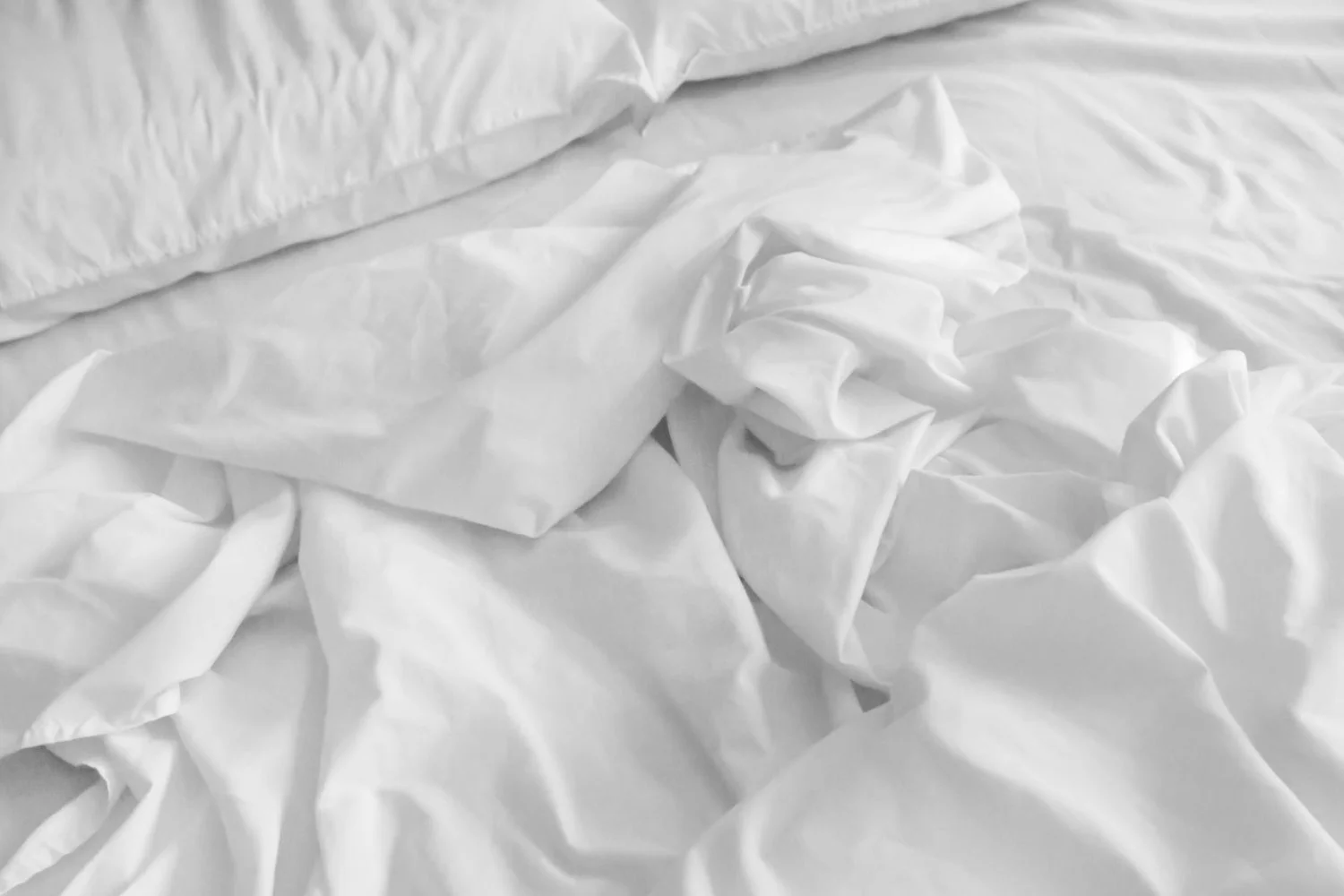
Walk into a hotel room and the sheets look pressed flat - no creases, no rumples, just smooth fabric pulled drum-tight across the mattress. That look is not luck or a magic spray. Hotels get there with a sequence of decisions that start at the fabric mill and end with a housekeeper's tuck. Below is what actually happens, and the parts you can copy at home.
The short answer
Hotel sheets stay wrinkle-free because they are pressed while still damp by an industrial flatwork ironer (a calender), woven from durable-press cotton-poly blends or high-thread-count cotton sateen, then tucked under the mattress with hospital corners that lock the surface flat. Misting and hand-smoothing the bed at the end is the final 5%, not the secret.
The five things hotels actually do
1. They press sheets while still damp
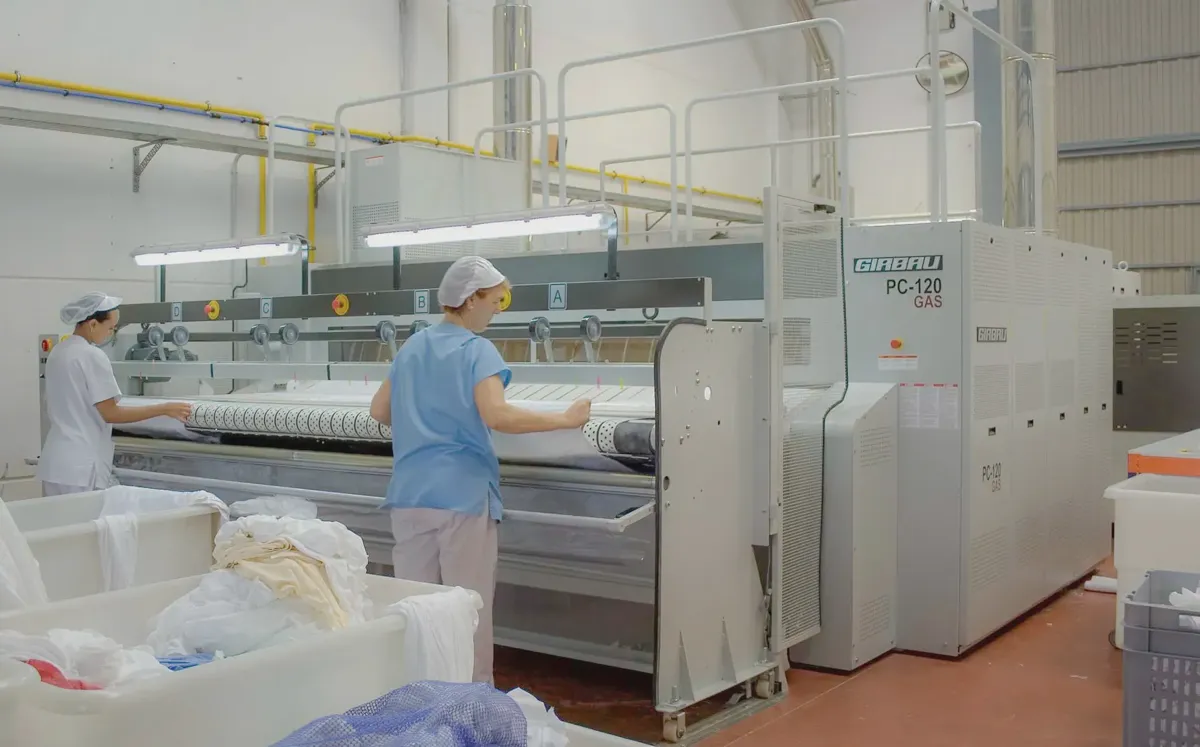
The single biggest reason hotel sheets look crisp is the flatwork ironer - a heated-roller machine sometimes called a calender. Sheets come out of the wash at around 30-50% residual moisture and feed straight into rollers heated to roughly 300-360°F. Pressing damp fabric is what sets the smooth finish; once a sheet has fully air-dried with a wrinkle in it, an iron just flattens the wrinkle, it doesn't erase it. Home dryers cannot replicate this - the sheet tumbles and creases as it dries.
2. They pick fabrics engineered to resist wrinkles
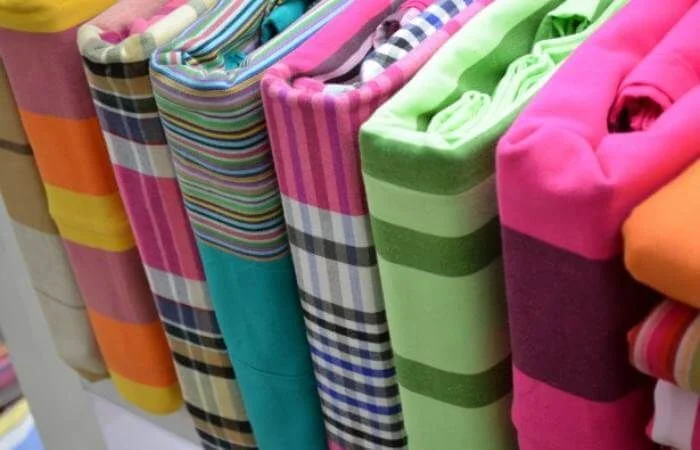
Most U.S. hotels use a 60/40 or 50/50 cotton-polyester durable-press blend in T-200 to T-250 thread counts. The polyester gives wrinkle recovery; the cotton gives the breathable feel. Luxury properties switch to 100% long-staple cotton sateen or percale at T-300+, which still wrinkles but releases creases easily under the press. Sateen has a tight weave with a glossy face that hides minor creases visually.
3. They wash with the right chemistry
Commercial laundries use controlled-pH detergent (around 10-11), bleach for whites, and sometimes a small amount of starch or fabric finish on the final rinse. Cooler final rinses, lower extract speeds, and never letting sheets sit balled-up in a hamper all reduce set-in creases before the press.
4. They make the bed with hospital corners
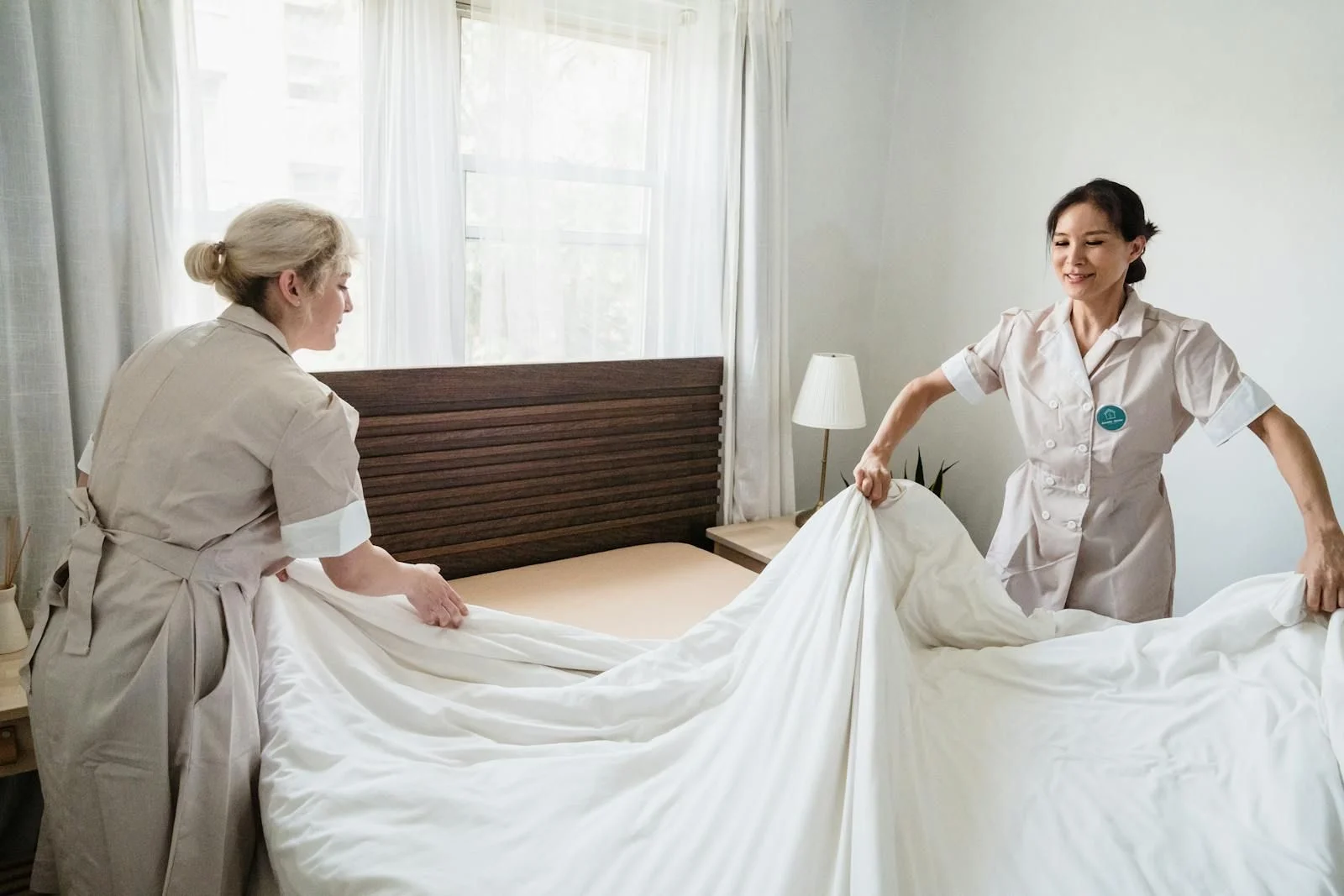
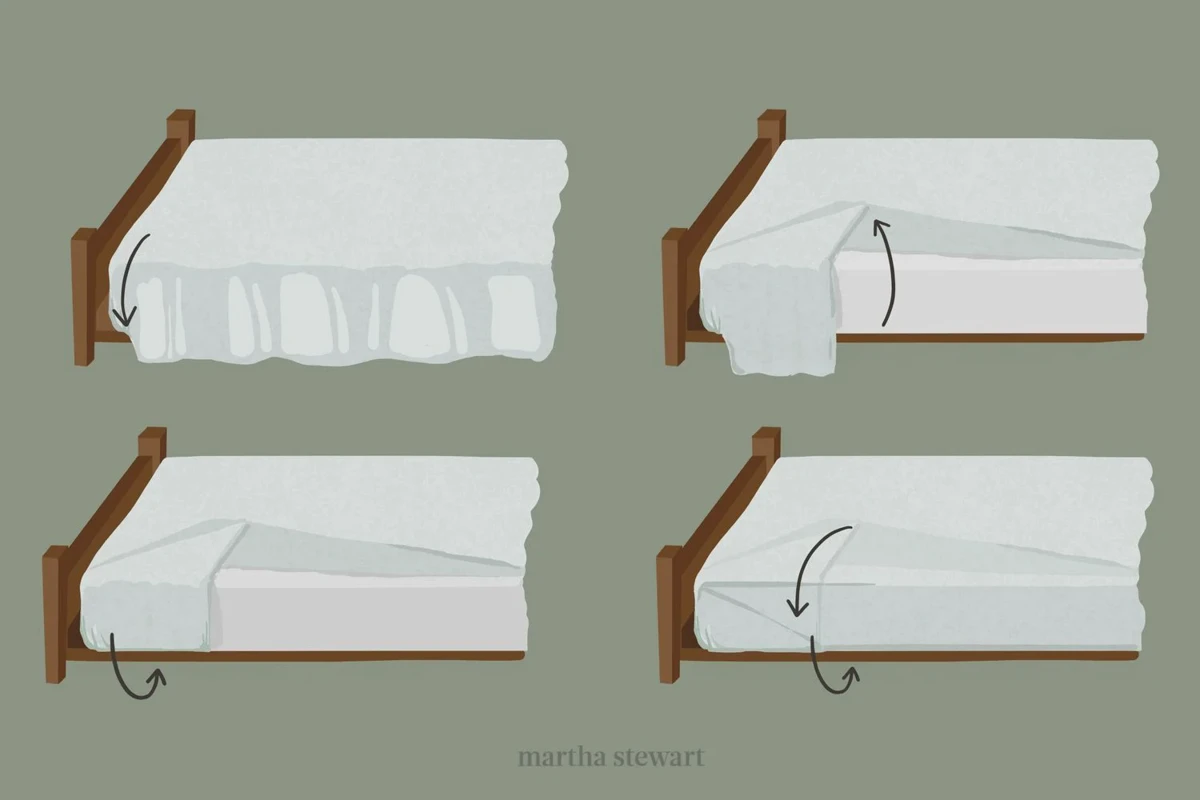
After a fitted sheet, the flat sheet is laid centered, the foot is tucked under the mattress, then the side flap is folded up at a 45° angle, the lower hang is tucked, and the angled flap is folded back down and tucked. This pulls the surface taut from two directions and is the reason the bed doesn't shift overnight.
5. They mist and smooth as the last step
Housekeepers carry spray bottles of plain water (sometimes with a drop of fabric softener). After the bed is made, a light mist plus a flat hand sweep smooths anything the press missed. The water relaxes the fibers and they re-set flat as they dry - the same trick that works on a wrinkled shirt.
What hotels do not do (and the SERP keeps getting wrong)
- They don't iron sheets after the bed is made. Pressing happens before the sheet ever reaches the room.
- They rarely use 600-1000 thread-count sheets. Most full-service hotel chains spec T-200 to T-300 - durable, fast-drying, easier to press. Marriott's standard linen is roughly T-250 cotton-rich.
- They don't rely on fabric softener. Softener coats fibers and reduces absorbency, which makes pressing less effective. Most commercial laundries skip it entirely.
- They don't iron a sheet that's bone-dry. The damp-press step is non-negotiable; a finished sheet ironed dry will look pressed but not as flat or as durable.
Hotel cotton-poly blend (T-200/250)
- Wrinkles release easily under the press
- Survives 200+ commercial washes without yellowing
- Dries faster, costs less, hides creases
- What most full-service U.S. hotels actually use
Luxury 100% cotton sateen (T-400+)
- Softer, more luxurious feel and natural sheen
- Cooler against the skin and more breathable
- Wrinkles more, but smooths under any iron or steam
- Used at high-end resorts and boutique properties
How to copy the hotel result at home
You don't need a 12-foot calender. Five steps will get you most of the way there:
Step 1 - Buy the right sheet
Pick percale or sateen in T-300 to T-500 long-staple cotton, or a cotton-poly blend if you specifically want low maintenance. Skip ultra-high thread counts (T-800+); they wrinkle harder and dry slower.
Step 2 - Wash gentle, dry just-shy-of-dry
Warm wash on a gentle cycle, no fabric softener. Pull the sheets from the dryer while they are still slightly damp - about 90% dry - and put them on the bed immediately. The remaining moisture lets you smooth wrinkles by hand as the fabric finishes drying flat under tension.
Step 3 - Make the bed before it cools
Stretch the fitted sheet corner-to-corner. Lay the flat sheet centered, tuck the foot, then do a hospital corner on each foot corner. Pull each side flap tight before the final tuck so the surface is under tension.
Step 4 - Mist and smooth
Once the bed is made, fill a spray bottle with plain water, mist the surface lightly, and sweep your hand from the center outward. Wrinkles disappear as the water dries. This is the housekeeper's trick from House Beautiful and it actually works.
Step 5 - Rotate two sets
Hotels rotate dozens of identical sets so no single sheet sits balled in a hamper. Owning two sets per bed and washing one while the other is on the mattress keeps fibers from setting wrinkles between uses.
Frequently asked questions
Why don't my sheets look like hotel sheets even when I iron them?
Because home ironing happens after the sheet is dry. Hotels press while sheets are still damp through a heated roller, which sets the smooth finish into the fibers. To approximate it at home, mist the sheet lightly before ironing, or pull it from the dryer slightly damp and put it straight on the bed.
Are hotel sheets really 100% cotton?
Sometimes. Luxury hotels use 100% long-staple cotton sateen or percale at T-300+. Most mid-range and full-service chains use a cotton-polyester durable-press blend (commonly 60/40 or 50/50) in T-200 to T-250 because it survives commercial laundry cycles better and presses easier.
What's the spray housekeepers actually use?
Most properties just use plain tap water in a spray bottle. Some use a commercial wrinkle-release spray with a small amount of silicone polymer (the same active ingredient in retail wrinkle releaser sprays). Both work; water is cheaper.
Does thread count matter?
Up to a point. T-200 to T-500 covers everything from durable hotel-spec to luxury-resort feel. Above T-800, weaves get heavier and wrinkle more aggressively, so the marketing claim of 'extra-luxurious' often translates to harder-to-iron in practice.
Can I get wrinkle-free sheets without an iron?
Yes. The combination of a percale or sateen sheet, removing it slightly damp from the dryer, putting it straight on the bed, and misting and hand-smoothing the surface gets you 90% of the hotel look without any pressing equipment.
Shop hotel-grade sheets at Banner Mattress
If you want the crisp percale or sateen feel hotels are buying, our showroom carries the long-staple cotton sets we'd put on our own beds. Stop by or browse online to find the weave and thread count that fits how you sleep.