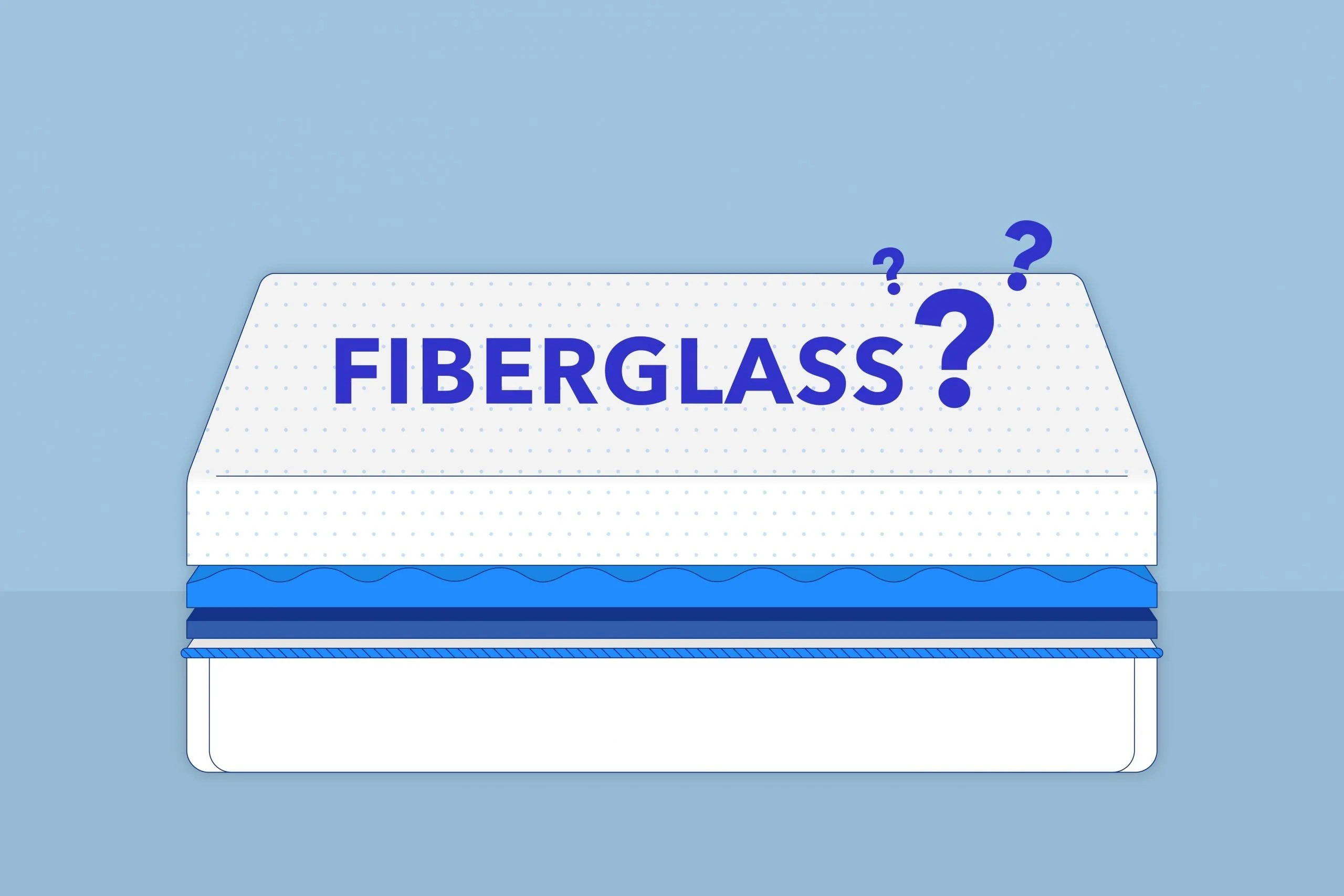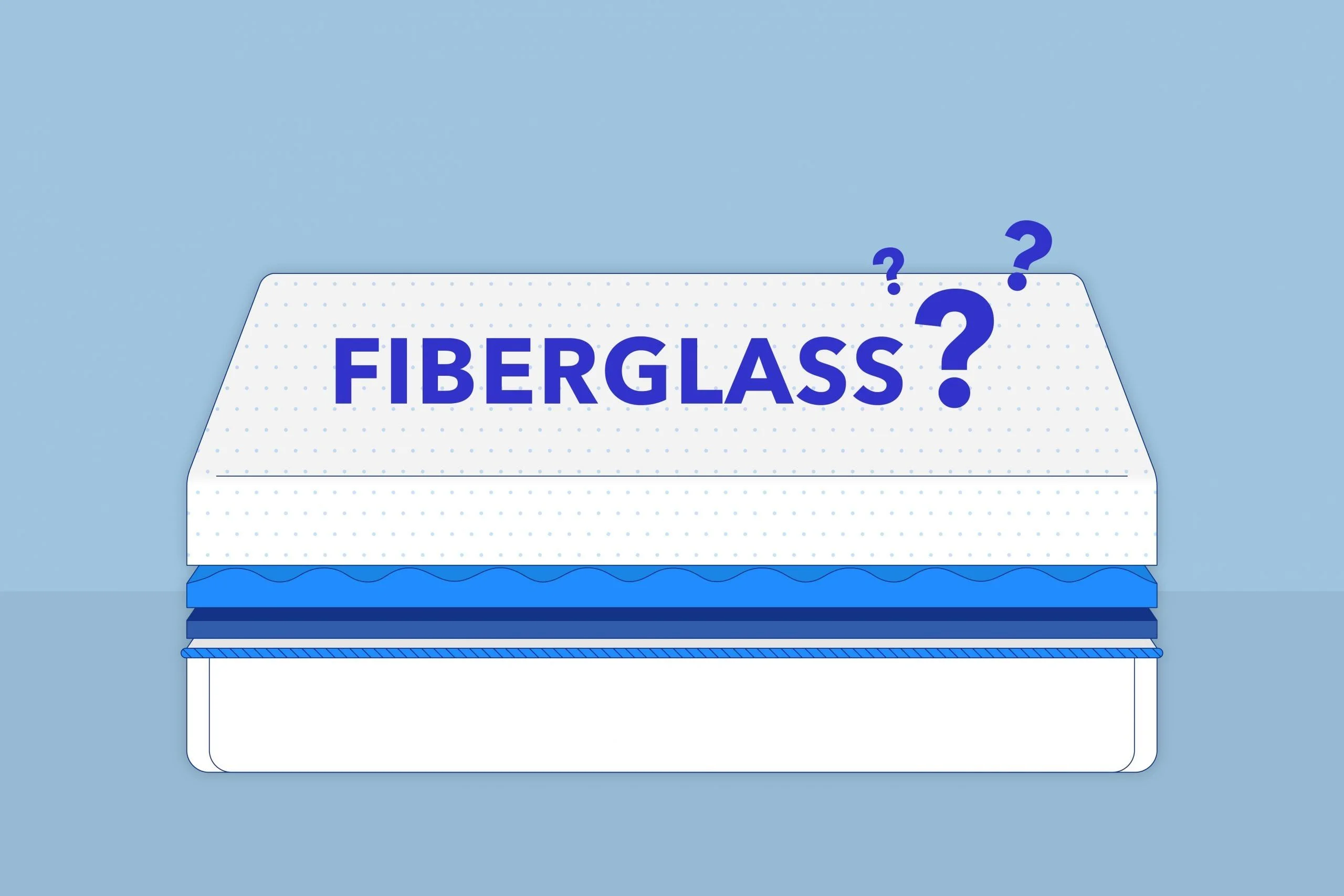
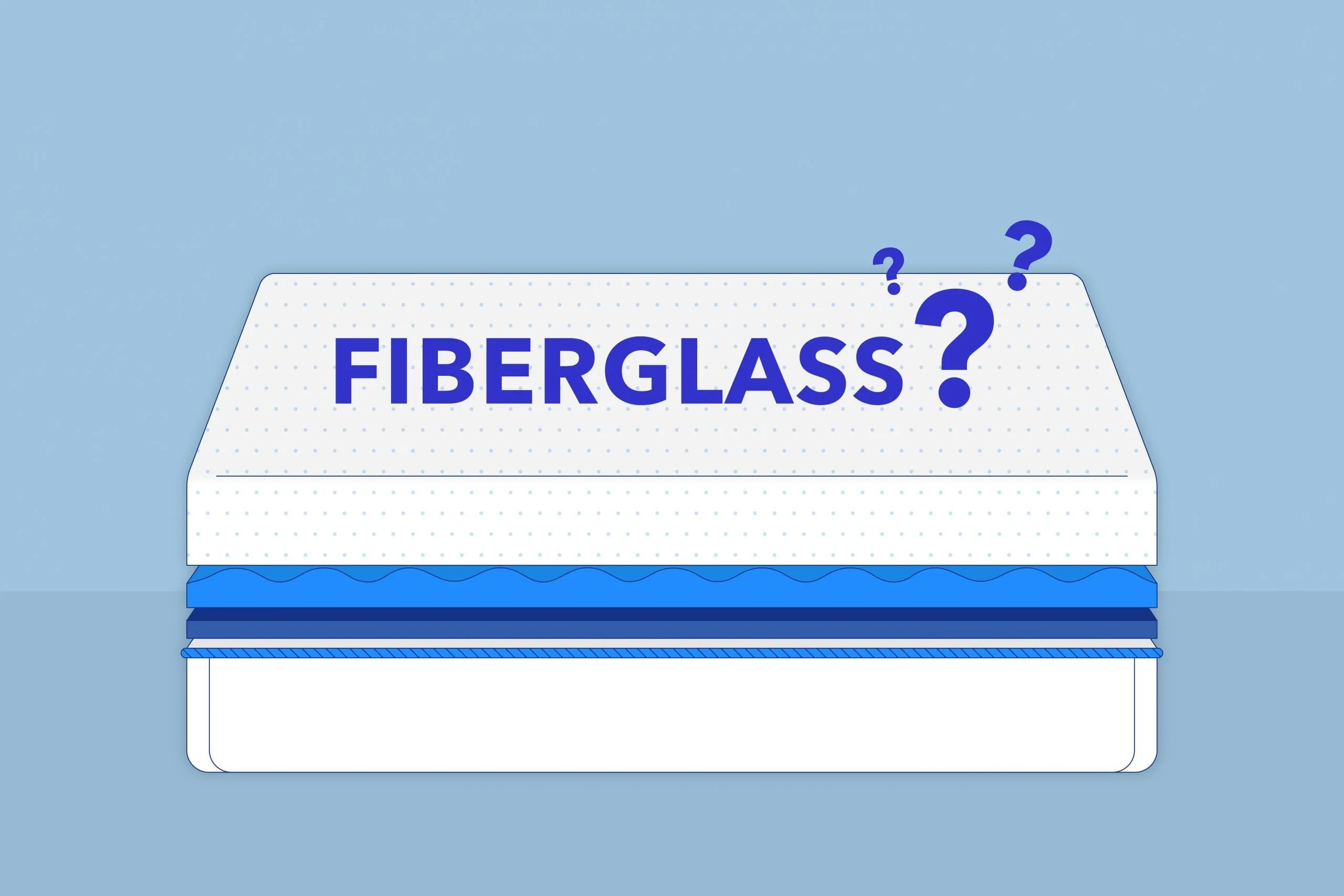
Short answer: yes. Olee Sleep mattresses use fiberglass - sometimes labeled "glass fiber" or "glass wool" - sewn into an inner cover layer that acts as a flame barrier. That's how the brand keeps prices low while still meeting the federal flammability standard 16 CFR Part 1633. The fiberglass is safe as long as the outer cover stays intact - but if the cover tears or you unzip it, fibers can escape and contaminate your home.
Below: what fiberglass actually does inside the mattress, the documented health risks, how to confirm it in any Olee model you already own, and the safer alternatives if you're shopping fresh.
Disclosure: Banner Mattress is reader-supported. Some links earn us a commission at no extra cost to you, but our editorial recommendations are independent.
Why Olee uses fiberglass in the first place
All mattresses sold in the U.S. must resist an open flame for a set duration. Manufacturers can meet the rule with chemical fire retardants, wool, silica, rayon-blend socks, or fiberglass. Fiberglass is the cheapest option by a wide margin, which is why it dominates the budget tier - and why brands like Olee, Zinus, Linenspa, Allswell, and Vibe all rely on it.
The fibers are woven into a thin inner sock that sits between the foam core and the outer zippered cover. As long as the sock stays sealed, fiberglass does its job invisibly. Problems start when the outer cover is removed, washed, or torn.
Olee mattresses do carry CertiPUR-US certification on their foam - meaning the polyfoam layers are free of formaldehyde, heavy metals, and ozone depleters. That certification covers the foam only; it says nothing about the fiberglass barrier.
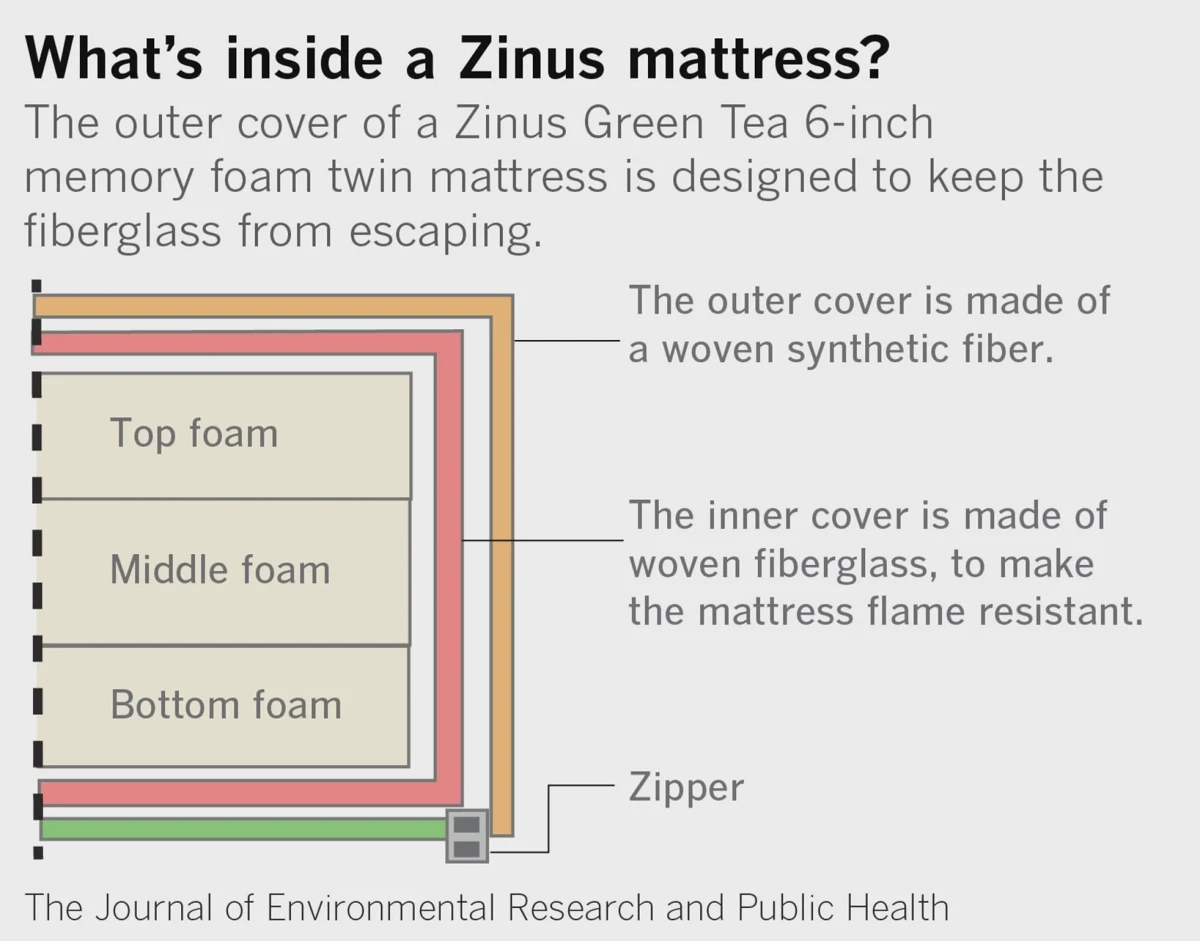
The health risks if fiberglass escapes
Per the CDC and NIOSH, short-term fiberglass exposure causes skin irritation, itchy rashes, eye redness, sore throat, and respiratory irritation. Long-term inhalation of small fibers can inflame the lungs.
The bigger problem is contamination. Once fiberglass is loose, it embeds into carpet, HVAC ducts, clothing, and soft furnishings. Reddit's r/Mattress and documented cleanup cases describe households spending thousands of dollars on professional remediation after unzipping a budget mattress cover for laundry. Insurance generally does not cover it.
Why Olee still sells
- Among the cheapest queen mattresses you can buy on Amazon
- CertiPUR-US foam (low VOCs, no heavy metals)
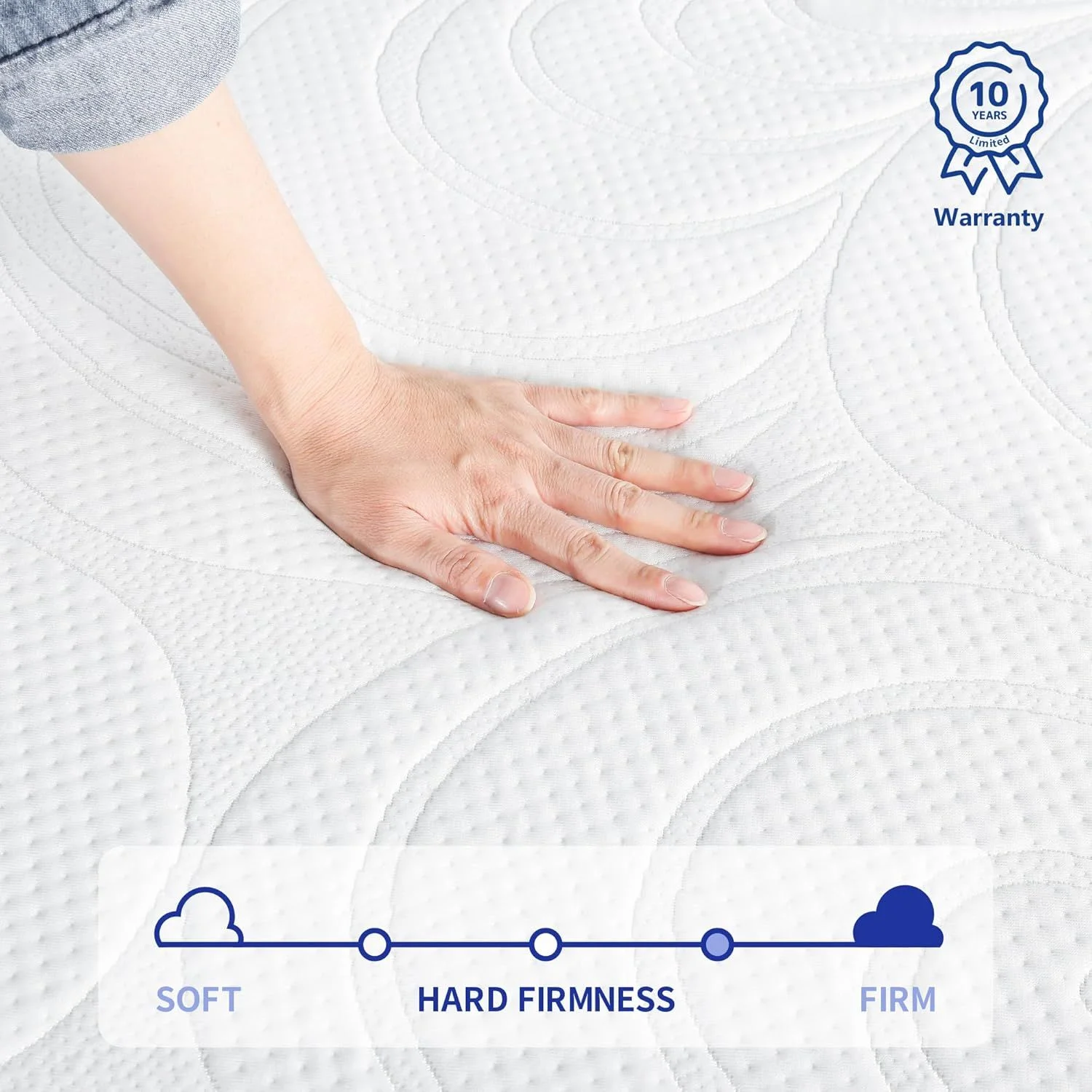
- 10-year warranty on most models
- Hybrid models offer decent bounce for the price
Why fiberglass is a problem
- Fiberglass inner sock can shed if cover is removed or torn
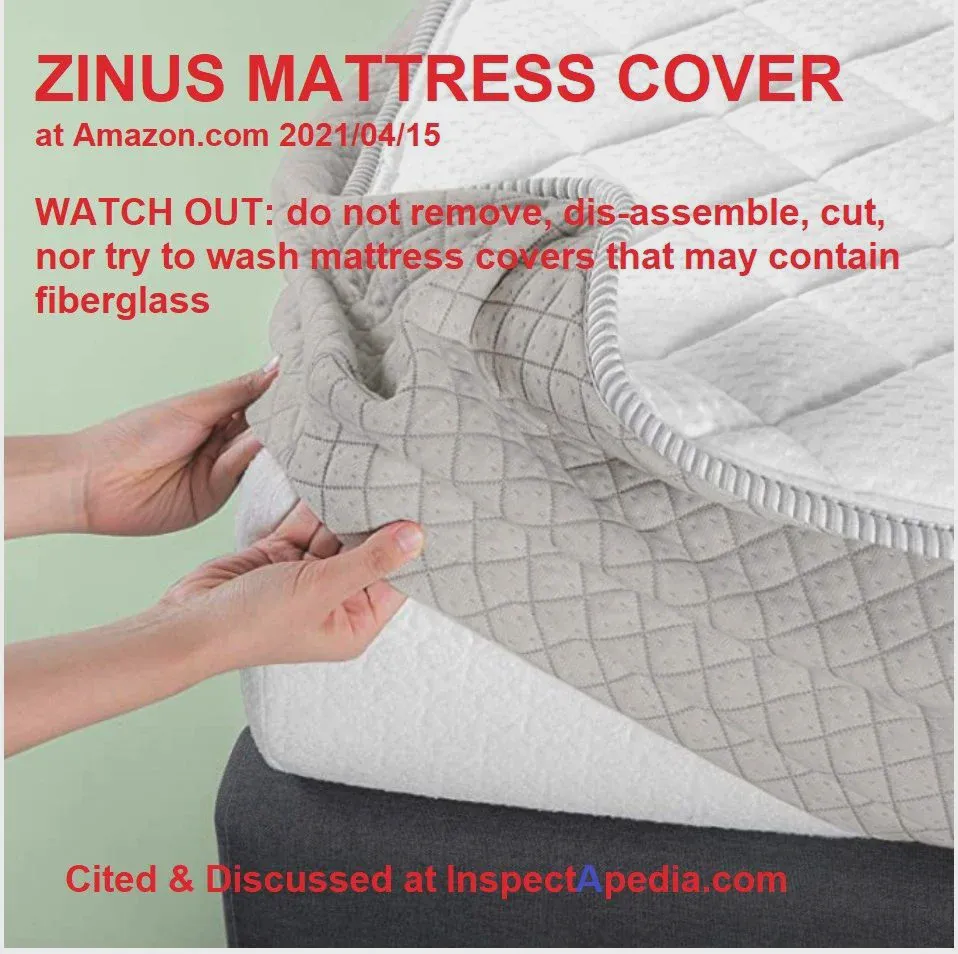
- Outer cover is NOT machine washable, despite what the zipper suggests
- Cleanup after a release can cost thousands and may require discarding bedding and rugs
- Fire-barrier alternatives (wool, silica, rayon) exist at the next price tier up
How to confirm your Olee has fiberglass
Every mattress sold in the U.S. carries a sewn-in law tag listing materials by percentage. Look for any of these terms - they all mean fiberglass:
- Glass fiber
- Glass wool
- Fibreglass / fiberglass
- Silica (sometimes used as a near-synonym, but true silica socks are usually marketed as such)
Also look for a printed warning that reads "Do not remove cover" on the zipper or law tag. That warning is the strongest signal a mattress contains fiberglass - there's no other reason a manufacturer would tell you not to unzip a cover that obviously zips.
What to do if you already own an Olee
If the outer cover is still intact and you've never unzipped it, the fiberglass is contained and you don't have an immediate emergency. Three things to do:
- Zip an impermeable mattress encasement (not just a topper) over the entire mattress. Look for one rated for bed bugs or allergens - those have the tightest weave. SafeRest and SureGuard both make widely-reviewed options.
- Never remove or wash the outer cover. Spot-clean only. Even a small tear from a pet's claw can release fibers.
- If you do see fibers (sparkling threads on the sheets, unexplained itching), stop sleeping on the mattress immediately. Do not vacuum - a standard vacuum aerosolizes fibers across the room. Bag the mattress in plastic, hire a HEPA-rated remediation service, and keep all receipts in case you pursue the manufacturer.
Fiberglass-free alternatives at a similar price
Several brands now use wool, silica-based socks, or thistle-pulp fire barriers and explicitly market themselves as fiberglass-free. Cross-referenced across EachNight, Sleepline, and EgoHome, the consensus shortlist below stays well under $1,000 for a queen and ships in a box like Olee does.
Fiberglass-free mattresses worth considering
Brands that publish their fire-barrier composition and explicitly avoid fiberglass.
Trial periods and prices vary by retailer; check each brand's site for current offers.
Olee fiberglass FAQ
Does every Olee mattress have fiberglass?
Both the all-foam and hybrid lines we've checked use a fiberglass inner sock as the fire barrier. Olee has not published a fiberglass-free model line as of this writing - if you find a specific SKU labeled otherwise, verify by reading the law tag before purchasing.
Can I remove the cover to wash it?
No. The zippered outer cover is sewn over the fiberglass inner sock; unzipping it tears the inner sock and releases fibers. Spot-clean only, and use a separate washable mattress protector for sweat and spills.
Is the fiberglass actually dangerous if the cover stays on?
Sealed fiberglass inside an intact cover is not considered an active exposure source by the CDC. The risk is mechanical: pets, kids, moving the mattress, or a torn seam can compromise the sock and release fibers throughout the home.
How do I dispose of an Olee mattress safely?
Do not curbside it without wrapping. Bag the entire mattress in heavy-duty plastic mattress disposal bags (sold at Home Depot and Lowe's), seal with duct tape, and check with your local solid-waste authority - many require a special bulky-item pickup for fiberglass-containing mattresses.
Is fiberglass the same thing as silica?
No. Silica socks (used by brands like Saatva and Avocado) are woven from rayon-and-silica blends and don't shed glass fibers the way fiberglass barriers do. Always read the law tag - manufacturers must list each by name.