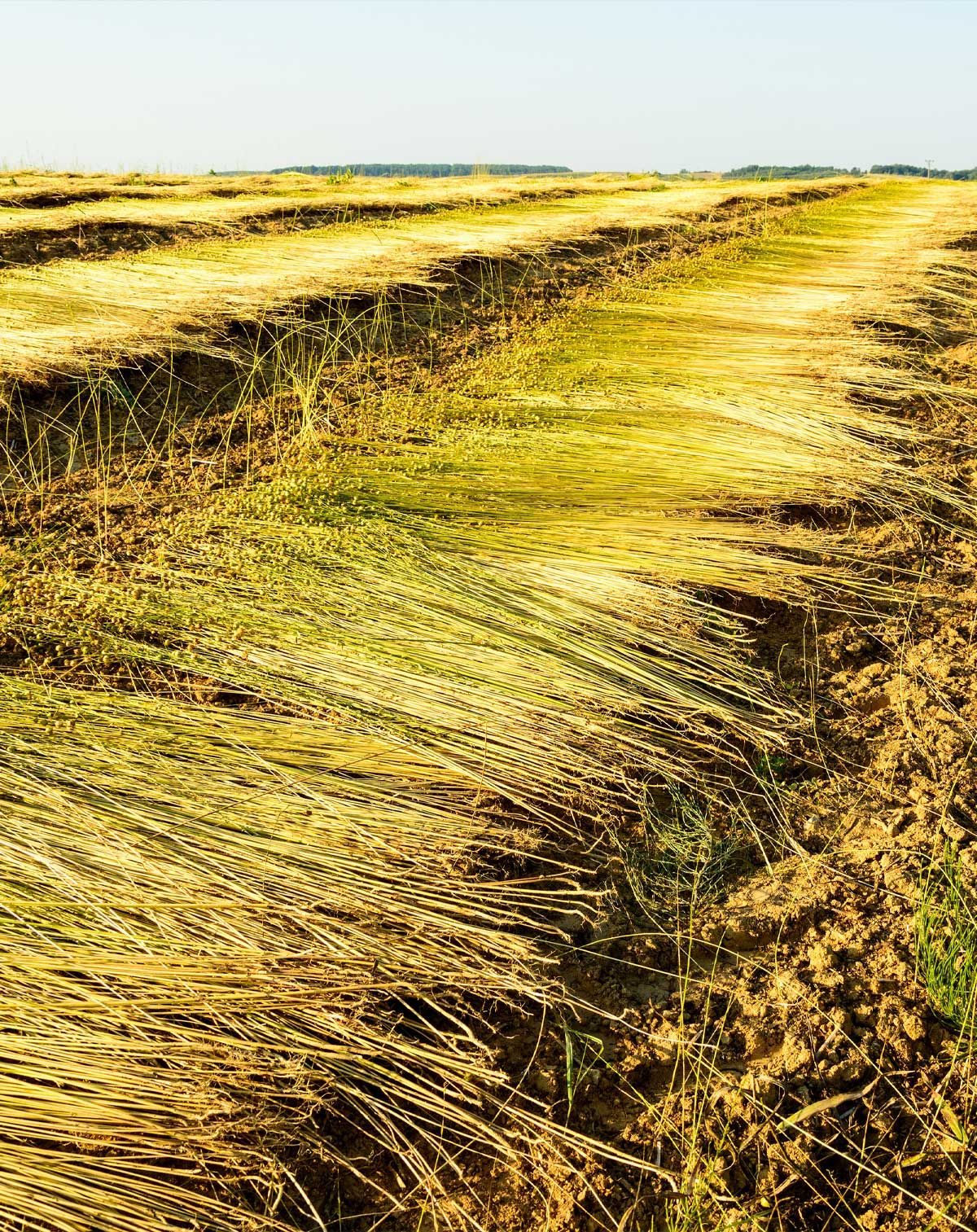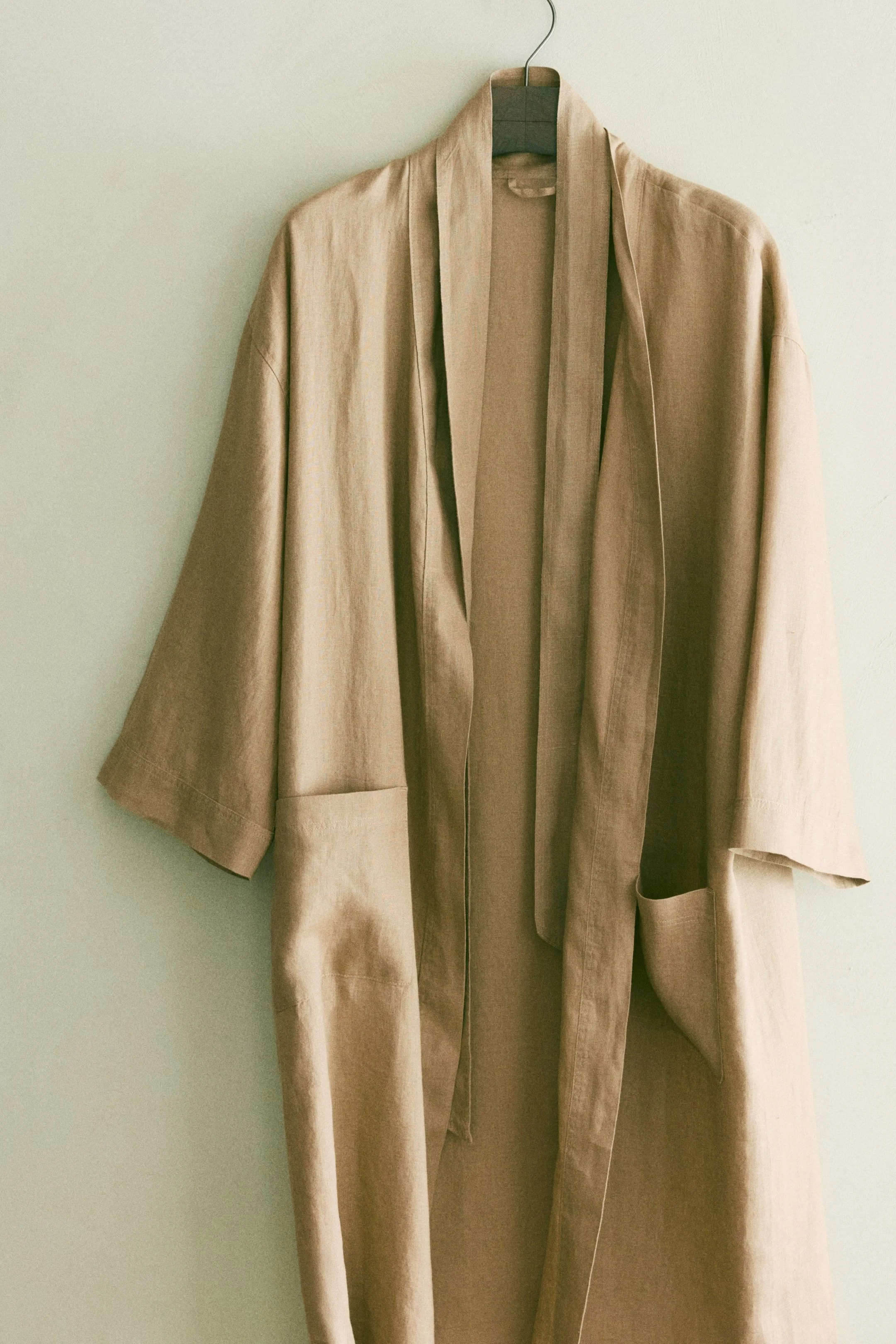
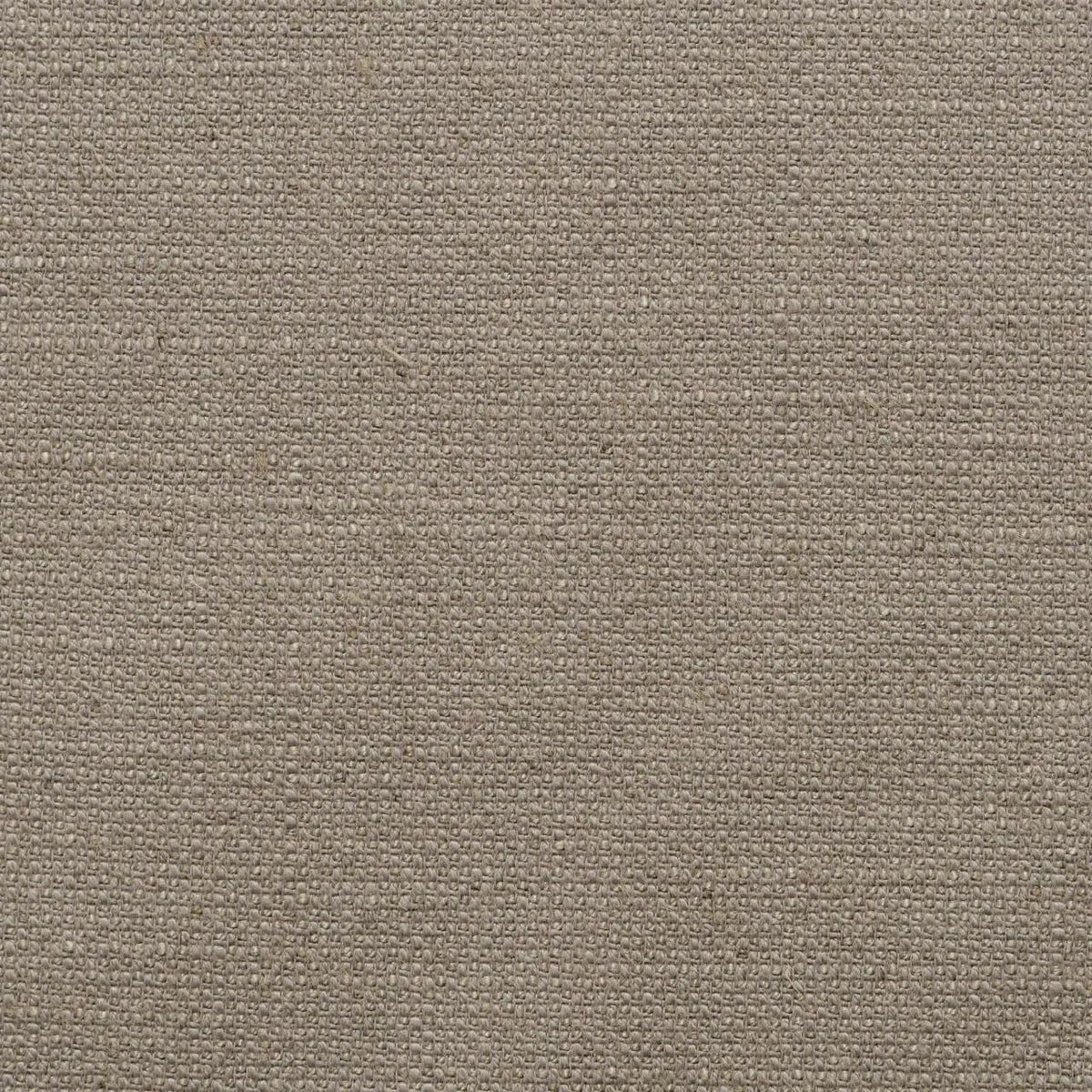
Linen is one of the oldest woven fabrics in the world, made from the long bast fibers of the flax plant (Linum usitatissimum). It is prized for breathability, moisture-wicking, and the way it softens with every wash. But "types of linen" can mean two very different things - the regional grade of flax used (Belgian, French, Irish, Italian, Lithuanian) and the weave structure of the cloth (plain, damask, huckaback, jacquard, herringbone, sheeting). Both shape how a linen feels, drapes, and holds up over years of laundering.
This guide untangles those categories, explains why GSM (grams per square meter) is the proper weight metric for linen rather than thread count, and helps you pick the right kind for sheets, table linens, garments, or upholstery. We will also clear up a common point of confusion: in the bedding industry, the phrase "bed linen" simply means sheets, duvet covers, and pillowcases - regardless of fiber. Most "bed linens" sold today are actually cotton, not linen at all.
Linen by Region: Where the Flax Is Grown
The origin of the flax matters more than most shoppers realize. Cool, damp, maritime climates produce the longest, finest fibers, which translates to softer, more durable cloth. The European flax belt - running through Belgium, northern France, and the Netherlands along the English Channel - produces roughly 80% of the world's flax fiber thanks to its mild, humid climate. (European flax belt - World Linen reference)
Belgian linen is widely considered the gold standard. Genuine Belgian linen carries the Masters of Linen trademark, certifying that the flax was grown, spun, and woven within Western Europe.
French linen - especially flax cultivated in Normandy and the Hauts-de-France - is celebrated for softness and a refined hand. France is actually the world's largest producer of flax fiber by volume, and French mills favor a stonewashed or "lived-in" finish that is popular in modern bedding.
Irish linen has a centuries-old weaving heritage and is known for crisp, smooth weaves used in shirting, handkerchiefs, and damask table linens. Production is now smaller in scale but still respected for fineness.
Italian linen typically refers to flax that is woven and finished in Italy (often using French or Belgian fiber). Italian mills are known for refined finishing techniques, lustrous yarn dyes, and high-end fashion fabrics rather than the flax cultivation itself.
Lithuanian and Eastern European linen comes from a long tradition of producing rustic, slightly heavier linens with an earthy, homespun character. They are the go-to source for thick stonewashed sheets, kitchen towels, and natural-toned home textiles at more accessible price points.
A practical takeaway: if you see "European linen" without a country, the flax almost certainly came from the same Belgium-France-Netherlands corridor. The label is broader, not lower quality.
Linen by Weave: How the Cloth Is Constructed
Weave determines how linen feels against the skin, how it drapes, and what it is best used for. (Weave taxonomy reference - Dresslemuse)
Plain weave is the most common linen weave - a simple over-and-under pattern that yields a crisp, breathable cloth. It is the default for shirting, summer dresses, lightweight curtains, and tea towels.
Damask is a reversible patterned weave produced on a jacquard loom that combines plain and satin floats to create motifs (florals, geometrics) that appear on both faces of the cloth. Damask is the classic dressy table linen - runners, napkins, and formal tablecloths.
Jacquard refers to the loom technology rather than a single weave. Any complex woven pattern (damask included) is technically a jacquard. In linen, jacquard is used for ornate upholstery, decorative throws, and patterned bedding.
Huckaback is a textured weave with small floating loops that boost absorbency. Huckaback linen is the traditional cloth for high-end hand towels, glass towels, and spa textiles - it dries glassware streak-free and gets softer with every wash.
Herringbone and twill weaves create a diagonal V-shaped pattern (herringbone is twill with a reversed direction). Linen twill is heavier, sturdier, and slightly less prone to creasing - used for trousers, jackets, and upholstery.
Sheeting linen is a close, balanced plain weave specifically engineered for bedding. Sheeting linen is wider (to cut a king flat sheet without a seam) and uses smoother, lower-slub yarns for next-to-skin comfort.
Loose or open weave linen is a deliberately airy structure used for sheer curtains, summer scarves, and reusable cleaning cloths. Highly absorbent but less durable than tighter weaves.
How to Read Linen Weight: GSM Beats Thread Count
Cotton sheets are sold by thread count, but for linen that number is misleading and largely irrelevant. Linen yarn is naturally thicker and more uneven than combed cotton, so a 200-thread-count linen sheet is luxurious - not "low quality." The correct metric is GSM (grams per square meter), sometimes shown as oz/yd². (Fabric weight reference for sewists)
Lightweight (up to 150 GSM, about 4 oz/yd²): shirting, scarves, summer blouses, sheers.
Mid-weight (150-250 GSM, 4-7 oz/yd²): dresses, sheeting, duvet covers, tablecloths.
Heavyweight (250 GSM and up, 7+ oz/yd²): upholstery, suiting, butcher's linen, canvas.
Most quality bed linens land between 170 and 200 GSM - heavy enough to drape and feel substantial, light enough to breathe.
"Bed Linen" Is Not Always Made of Linen
This is the wording trap that sends people in circles online. "Bed linen" is a centuries-old industry term for all flat-woven bed textiles - sheets, duvet covers, pillowcases, shams. The term predates the widespread availability of cotton and stuck around even after cotton became the default fiber. Today, the vast majority of "bed linens" sold in the US are 100% cotton or cotton blends, not flax linen.
If you want sheets that are actually made of linen fabric, the label must say so explicitly: "100% linen", "100% flax", or "pure linen". Anything labeled simply "linens" or "bed linen" tells you the category, not the fiber.
Linen Regions Compared
Pros of Linen
- Naturally cool and breathable - runs ~20% cooler than cotton in summer.
- Gets softer and more comfortable with every wash.
- Extremely durable - quality linen lasts decades.
- Low water and pesticide footprint compared to cotton.
- Highly absorbent and quick-drying.
Cons of Linen
- Wrinkles easily - that lived-in look is unavoidable without ironing.
- Higher upfront cost than cotton or microfiber.
- No natural stretch unless blended with elastane or rayon.
- Initial feel can be coarse before the first few washes.
Care: Washing and Living With Linen
Linen forgives a lot more than people think. The basic rules:
- Machine wash cold or warm (under 105°F or 40°C) on a gentle cycle with a mild detergent.
- Skip fabric softeners - they coat the fibers and reduce absorbency. The fabric softens naturally with washing.
- Tumble dry low and pull the item out slightly damp, or line-dry. Over-drying is what makes linen feel coarse.
- Iron on the linen setting while still damp if you want a crisp finish; otherwise embrace the soft creases - that lived-in look is the whole point.
- Linen actually gets stronger when wet, which is why it withstands hundreds of wash cycles when cotton would have given up.
When to Choose Linen
Linen is the right pick when you want any of the following: a fabric that runs cooler in summer than cotton, a textile that improves with age and washing, a natural fiber with a low water and pesticide footprint at the farm, or a relaxed, slightly rumpled aesthetic that does not require ironing.
Skip linen if you cannot live with visible creases, need stretch (linen has none on its own - look for linen blends with elastane or rayon), or expect a cool-and-crisp hotel-style finish from your sheets every morning.
Linen Fabric FAQ
What are the four main types of linen?
By weave, the four traditional categories are damask linen (jacquard-patterned, used for tablecloths), plain-woven linen (the everyday workhorse), loose-weave linen (highly absorbent but less durable), and sheeting linen (close-woven and engineered for bedding). By region, the most recognized grades are Belgian, French, Irish, and Italian.
Is bed linen the same as linen fabric?
No. 'Bed linen' is an industry category that covers all flat-woven bed textiles - sheets, duvet covers, pillowcases - regardless of fiber. Today most bed linens sold in the US are 100% cotton. If you want actual flax linen, look for the words '100% linen', '100% flax', or 'pure linen' on the label.
What is the best type of linen for sheets?
Look for sheeting linen woven from European flax (Belgian, French, or Lithuanian), in the 170-200 GSM range, with a stonewashed finish. That combination delivers a soft hand straight out of the package, drapes well, and is durable enough to last decades.
Is GSM or thread count more important for linen?
GSM (grams per square meter) is the relevant metric for linen. Thread count is meaningful for combed cotton, where finer yarns let you pack more threads per inch, but linen yarn is naturally thicker and more textured. A 170-200 GSM pure linen sheet is in the bedding sweet spot, regardless of thread count.
What is the difference between Belgian linen and European linen?
All Belgian linen is European linen, but not all European linen is Belgian. The European flax belt spans Belgium, northern France, and the Netherlands, and most premium 'European linen' on the market is fiber from this same corridor. 'Belgian linen' is a stricter origin label - often paired with the Masters of Linen certification - guaranteeing the flax was grown, spun, and woven in Western Europe.
What is huckaback linen?
Huckaback is a textured weave with small floating loops that boost absorbency. It is the traditional cloth for high-end hand towels, glass towels, and spa textiles - it dries glassware streak-free and softens over time.
Shop the Bedding Banner Mattress Recommends
Browse our editor-reviewed sheet sets, duvet covers, and pillowcases - including pure linen options for cool, breathable summer sleep.