Banner Mattress is reader-supported. When you buy through links on our site, we may earn an affiliate commission at no cost to you. Recommendations are based on hands-on testing and editorial review.
If you wake up sweating in the middle of the night, your sheets are usually the first thing you blame - but what you sleep in matters just as much. The right pajama fabric pulls moisture off your skin, lets warm air escape, and keeps your skin temperature in the narrow band where deep sleep actually happens. The wrong fabric traps both heat and sweat, and you'll feel it by 3 a.m.
Below is what current sleep-product reviewers actually recommend in 2026, why each fabric works, and the tradeoffs nobody puts on the label.
What "cooling" really means in a pajama fabric
A fabric keeps you cool through three properties that work together:
- Breathability - the weave is open enough for warm air to move away from your skin.
- Moisture-wicking - the fibers pull sweat off your skin and disperse it across the fabric so it can evaporate.
- Low heat retention - the fabric doesn't store body heat against your skin overnight.
Heavy synthetics like polyester and fleece fail on all three: they trap air, repel moisture instead of moving it, and hold heat. That's why almost every editorial guide (CNET, Sleep Foundation, Eberjey) recommends the same short list of natural and plant-based fibers.
The best pajama fabrics for hot sleepers
Cotton (and Pima/Supima cotton)
Cotton is the default cooling fabric for a reason - it's breathable, soft, moisture-absorbent, and forgiving on sensitive skin. Look for lighter weaves: cotton voile, cotton gauze, and percale sleep cooler than jersey-knit cotton, which can feel warm and clingy when damp.
Pima and Supima cotton are long-staple varieties with finer fibers and better moisture-wicking than standard cotton - softer against the skin and more durable through repeated hot washes.
- Strengths: affordable, easy to wash, hypoallergenic, widely available
- Weak spot: cotton absorbs sweat instead of wicking it, so in humid climates it can feel heavy by morning
Linen
Linen - woven from flax - has been the summer fabric of choice for thousands of years. The loose, hollow weave lets warm air escape quickly, and the relatively stiff fibers don't cling to damp skin the way cotton can.
- Strengths: the most breathable natural fiber, quick-drying, gets softer with every wash
- Weak spot: wrinkles easily (some people love the look, some don't), and the texture is rougher than cotton or silk
Silk
Silk is a temperature regulator more than a pure cooling fabric - it keeps you cool in summer and warm in winter by sitting in equilibrium with your body. The fibers are naturally hollow, lightweight, and remarkably moisture-wicking for something this smooth.
- Strengths: ultra-soft, hypoallergenic, regulates temperature well in shifting conditions
- Weak spot: premium price, requires gentle washing, and silk holds body oils so frequent laundering is non-negotiable
TENCEL / lyocell (often labeled "eucalyptus" or "modal")
TENCEL is the trade name for lyocell, a fiber made from sustainably-grown wood pulp (usually eucalyptus). It's technically a regenerated cellulose fiber - natural origins, engineered for performance. It moves moisture roughly 50% faster than cotton, feels silky on the skin, and resists the bacterial growth that causes laundered-pajama odor.
- Strengths: strong moisture-wicking, very soft, more durable than rayon, sustainable production
- Weak spot: less widely stocked than cotton, slightly higher price
Bamboo viscose
Bamboo viscose is rayon made from bamboo cellulose. Like TENCEL, it's a regenerated cellulose fiber - but the process is different and the feel is closer to a soft jersey knit. It's a favorite for menopause and night sweats because the fabric stays cool to the touch even when slightly damp.
- Strengths: soft, lightweight, naturally moisture-wicking, drapes well for loose-fit pajamas
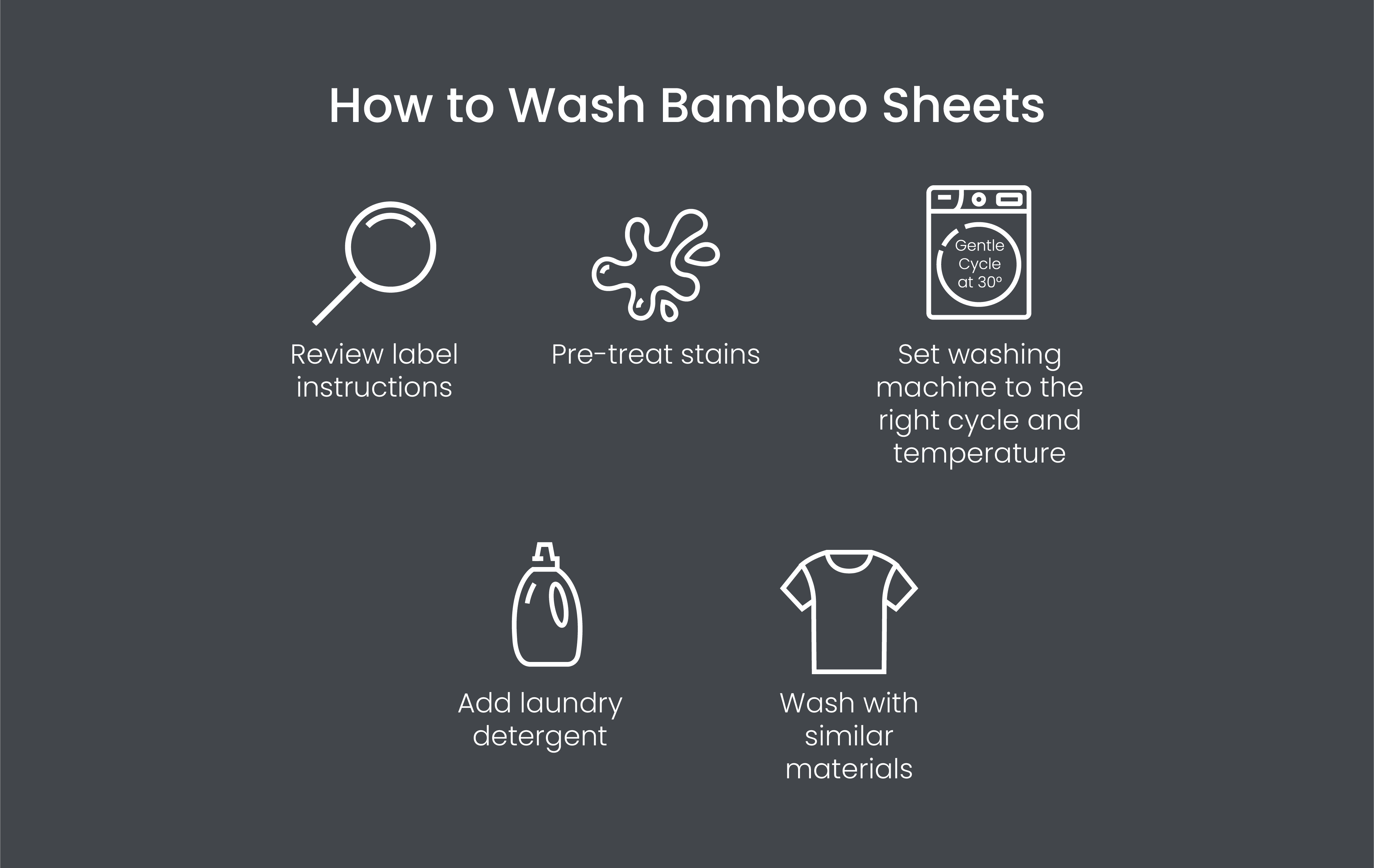
- Weak spot: the fiber weakens when wet - wash on gentle cycles, and check the label for "viscose from bamboo" rather than vague "bamboo" claims
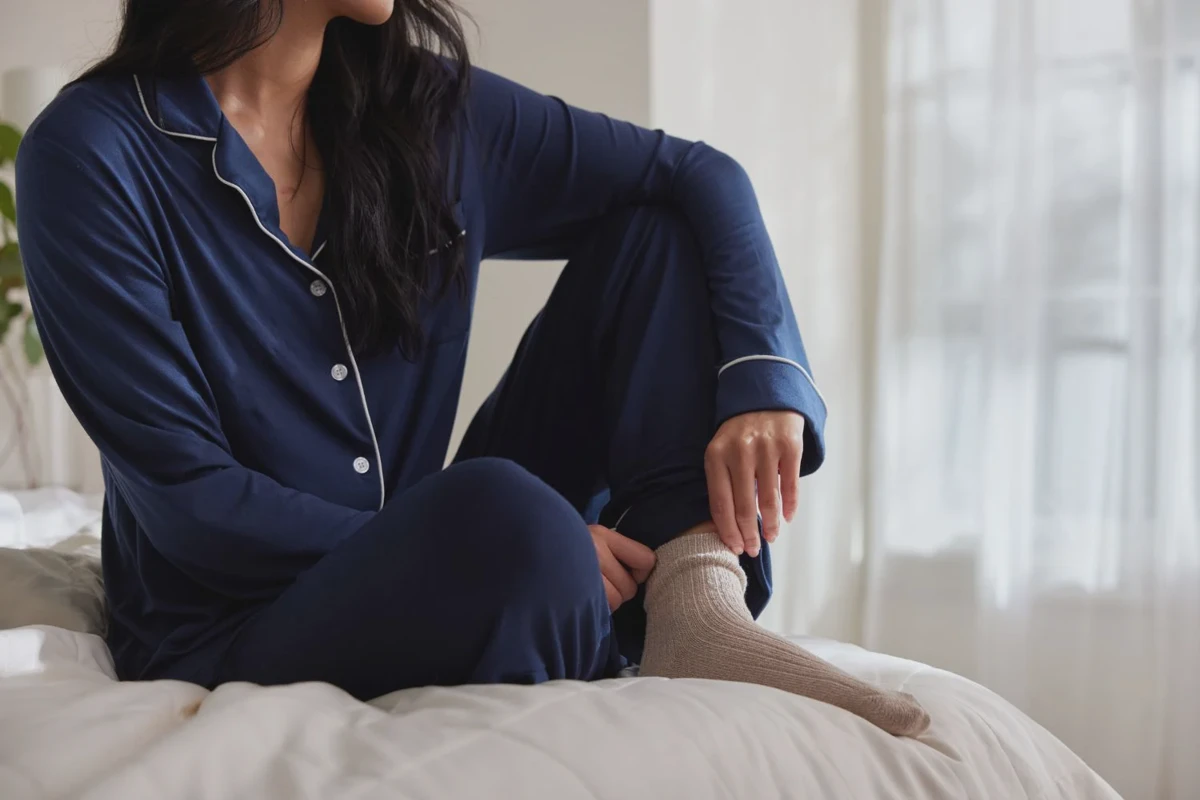
Fabrics to avoid if you sleep hot
Polyester - Synthetic fibers trap moisture and heat against the skin
Flannel - Brushed fiber surface is designed to retain warmth - winter only
Fleece - Same as flannel, plus much lower breathability
Heavy jersey knits - Even cotton jersey can sleep warm when the fabric is dense
Satin (polyester version) - Mimics silk's feel but without the breathability
How to choose for your situation
You sleep slightly warm. Start with lightweight cotton voile, percale, or a Pima blend. It's the cheapest test and works for most people.
You sleep very hot or have night sweats. Move to TENCEL/lyocell or bamboo viscose - both wick moisture faster than cotton and stay cool to the touch.
You're a hot sleeper *and* have sensitive skin. Mulberry silk or TENCEL - both are smooth, hypoallergenic, and don't grip damp skin.
You sweat heavily / menopausal night sweats. Bamboo viscose or moisture-engineered sleepwear lines (Cozy Earth, Dagsmejan, Slumber Cloud) consistently show up across Sleep Foundation's and similar guides for this use case.
You want a low-effort, affordable option. Cotton voile or percale. Easy to wash, easy to replace, doesn't demand a hand-wash routine.
Beyond fabric: small choices that matter
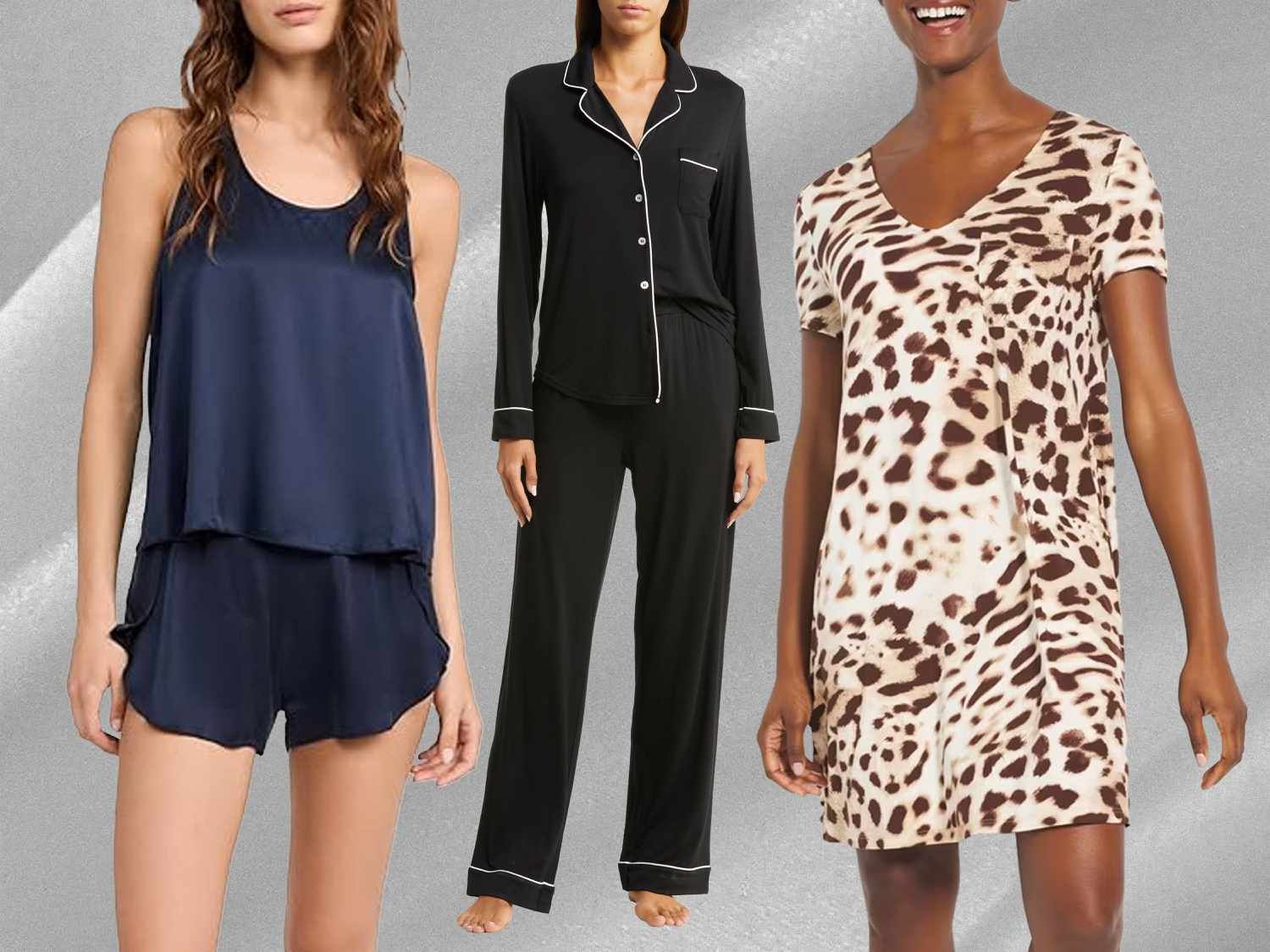
- Fit: loose, drapey shapes let air circulate. Skip slim cuts on hot nights.
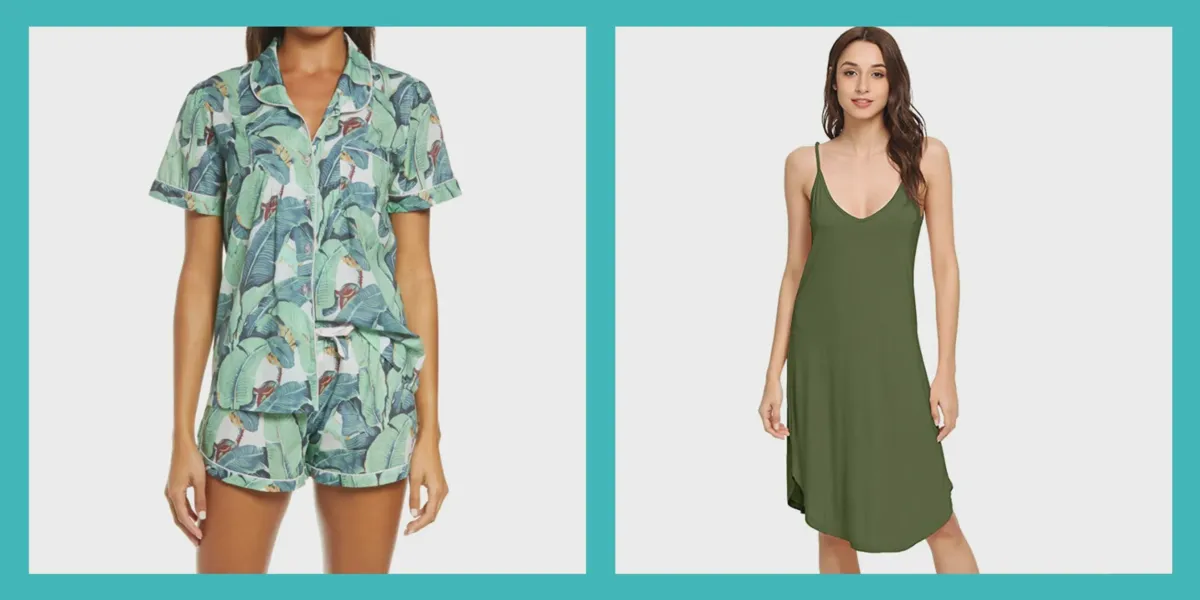
- Cut: shorts + short-sleeve or a slip dress beats long-sleeve and pants in summer.
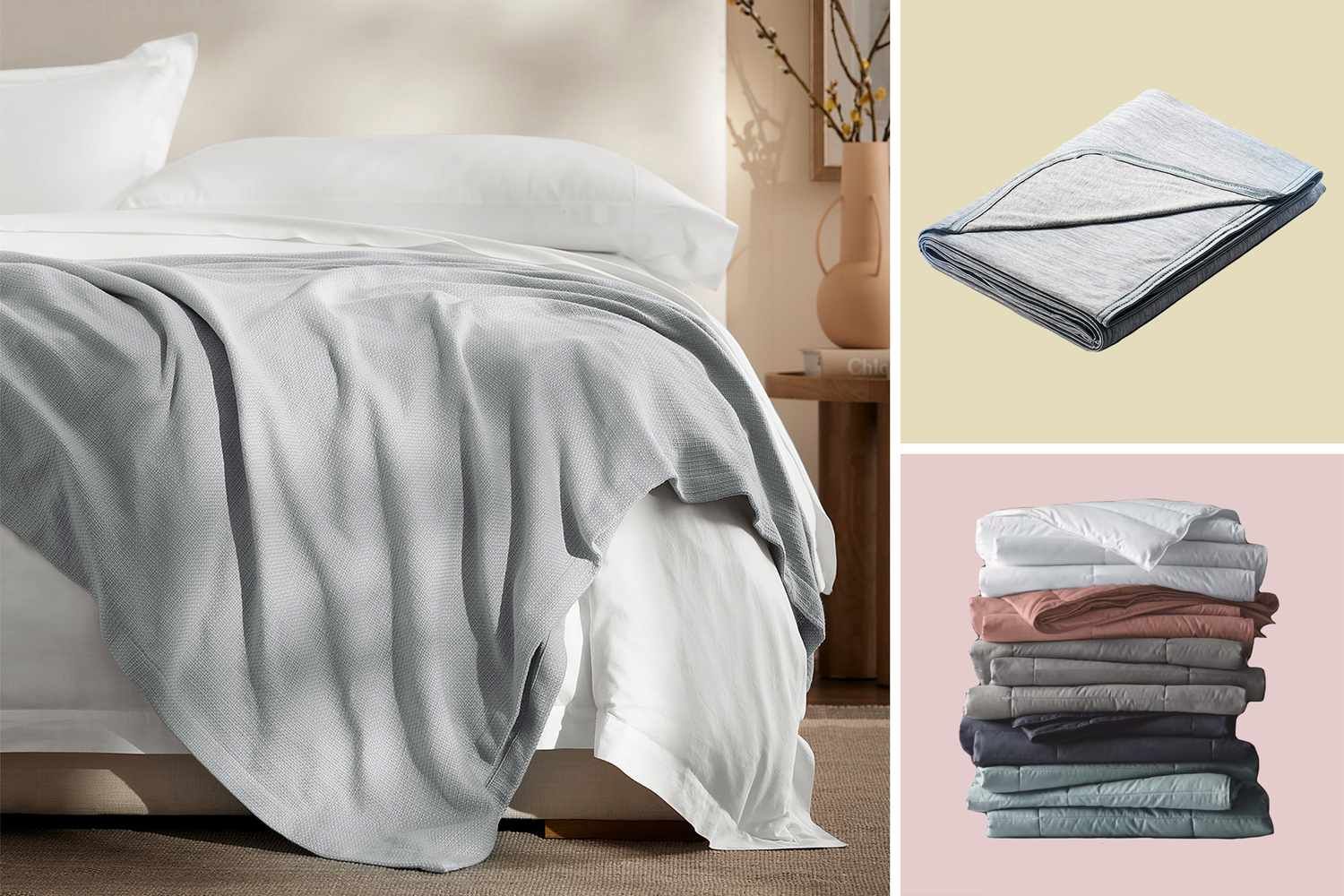
- Bedding: even the coolest pajamas can't save you under a polyester comforter. Pair with percale or linen sheets and a breathable mattress topper.
- Wash care: cooling fabrics often have fabric finishes that wear off with hot washes or fabric softener. Wash in cool water, skip the softener.
Frequently Asked Questions
What is the single best material for pajamas to keep you cool?
There is no one best fabric for everyone, but the most consistent picks across sleep-product editorial guides are TENCEL/lyocell, bamboo viscose, and lightweight cotton (voile or percale weave). TENCEL and bamboo viscose wick moisture faster than standard cotton, which is why they tend to win for heavy sweaters and menopausal night sweats. For most hot sleepers, lightweight cotton is still the cheapest, easiest-to-care-for starting point.
Is silk or cotton cooler for sleeping?
Silk and lightweight cotton both sleep cool, but they work differently. Silk is a temperature regulator - it stays roughly in equilibrium with your skin, so it feels cool in summer and warm in winter. Lightweight cotton is more breathable and absorbs moisture, but the absorbed sweat can feel heavy by morning in humid weather. If you sleep hot in a dry climate, lightweight cotton is fine. In humid heat or with night sweats, silk, TENCEL, or bamboo viscose handle moisture better.
Are bamboo pajamas actually cooler than cotton?
Yes, in most lab-tested comparisons bamboo viscose moves moisture off the skin faster than standard cotton and feels cooler to the touch even when slightly damp. The catch is that not every product labeled bamboo is true bamboo viscose - look for fabric content that says viscose from bamboo or lyocell from bamboo on the label.
What fabric should I avoid if I sweat at night?
Avoid polyester, fleece, flannel, and heavy jersey knits. These fabrics either trap warm air against your skin or repel moisture instead of wicking it, which is the opposite of what you want for night sweats. Polyester-blend satin pajamas mimic the look of silk but lose almost all of silk's breathability.
Do cooling pajamas actually work?
They help, but they're only one variable. A cooling fabric will not save you under a polyester comforter, on a heat-retaining memory-foam mattress, or in a bedroom kept above 70 F. Pair cooling pajamas with breathable percale or linen sheets, a cooling-rated mattress topper, and a bedroom temperature in the 65 to 68 F range for the strongest effect.
Pair your cooling pajamas with the right mattress
Even the best sleepwear can't fix a heat-retaining mattress. See our picks for the most breathable, temperature-regulating mattresses tested for hot sleepers.