Upgrading your mattress or moving house often leaves you with an awkward problem: a bulky old bed frame you no longer need. Tossing it at the curb wastes a perfectly recyclable object - and in many cities, large furniture won't be collected with regular trash anyway. The good news is you have plenty of better options, whether your frame is solid wood, metal, or an upholstered platform.
Below are seven practical ways to handle an old bed frame, ordered roughly from most value-recovering to least effort. Most homeowners end up using two of them - for example, donating the frame itself and recycling the loose hardware separately.
Why Proper Disposal Matters
Large furniture items are one of the biggest categories of bulky landfill waste. Wooden frames release methane as they break down anaerobically, and metal frames take centuries to corrode while leaching trace metals into soil. Both materials are infinitely recyclable in principle: wood can become mulch, particleboard, or bioenergy feedstock; ferrous metal is one of the most-recycled materials on earth, with steel mills accepting clean scrap indefinitely.
Disposal also matters for community aesthetics and code compliance - most U.S. cities ban setting bulky furniture out on a non-scheduled trash day, with fines for repeat offenders. Spending a few minutes choosing the right route below keeps the frame out of a landfill and keeps you out of trouble with your city.
1. Sell It Online or at a Yard Sale
A frame in usable condition almost always finds a buyer, especially queen and king sizes. Take well-lit photos from three angles, measure the rails accurately, and disclose any wobble, scratches, or missing hardware honestly. Price against comparable listings in your area - not against the original retail price.
Best platforms by reach:
- Facebook Marketplace - fastest local turnover, no shipping required.
- Craigslist - still strong for furniture in many U.S. metros.
- OfferUp / Nextdoor - neighborhood-level reach, good for buyers who can pick up same-day.
- eBay - only worthwhile for genuinely vintage, designer, or solid-wood antique frames where shipping cost is justified.
Vintage iron, brass, or sleigh frames can command surprising premiums - restorers and interior designers actively shop secondary marketplaces for them. If you're not sure what you have, post it with clear photos and let buyers self-identify.
2. Donate to a Charity That Actually Accepts Frames
Donation feels obvious, but not every charity takes bed frames. National policies vary, and many Goodwill locations explicitly refuse them on hygiene and storage grounds. Call ahead before loading the truck.
Organizations that consistently accept furniture donations and often offer pickup:
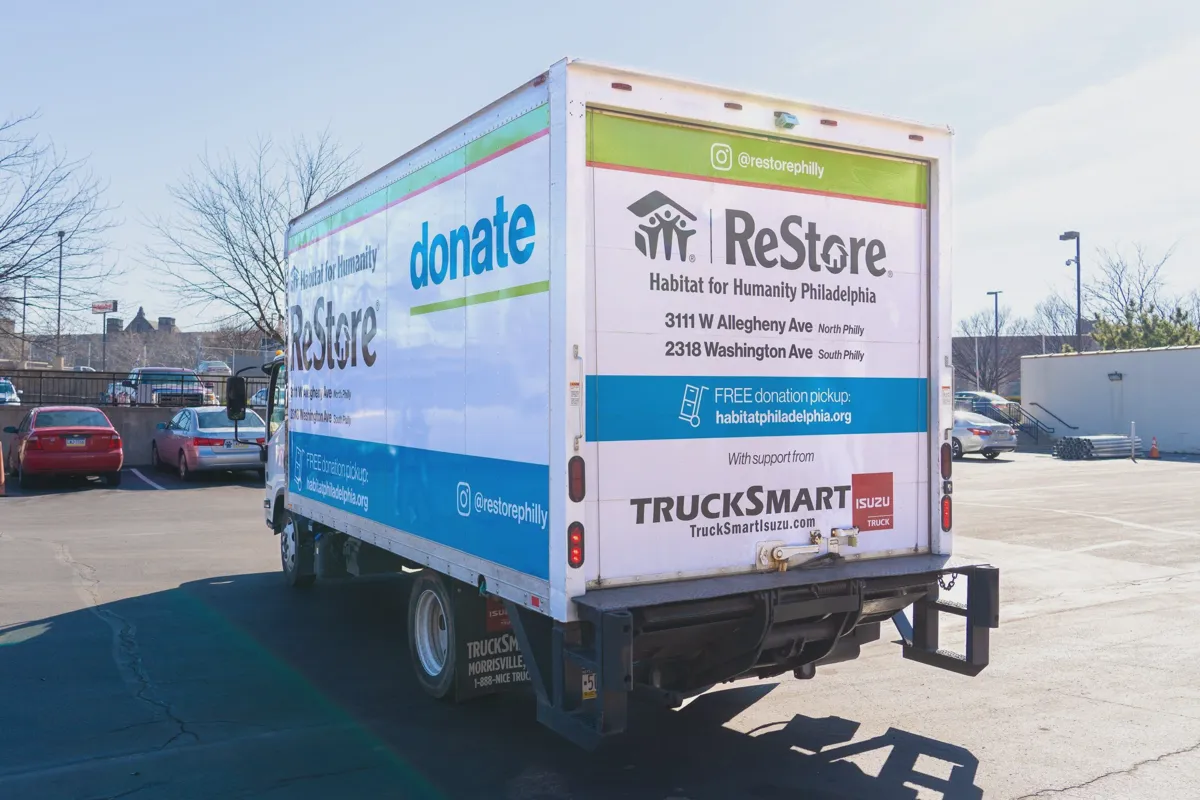
- Habitat for Humanity ReStore - accepts new and gently used furniture; many ReStores offer free large-item pickup in their service area.
- The Salvation Army - schedules pickup at satruck.org; condition standards apply.
- Furniture Bank Network member sites - these distribute furniture directly to families exiting homelessness.
- Local shelters, group homes, and refugee resettlement agencies - often the highest-impact option, but may have limited intake capacity.
Inspect the frame for structural integrity, missing slats, bed-bug evidence, and broken welds before donating - charities have to refuse anything they can't safely resell or place, and turning up with a damaged frame just shifts your disposal problem onto them. Ask for a tax receipt when you drop off or hand over to the pickup driver.
3. Give It Away Free
If the frame isn't quite donation-grade but still functional, a free listing usually finds a taker within hours. Try Freecycle, the Buy Nothing Project (Facebook group or buynothingproject.org), or Nextdoor's Free Stuff section. Family, friends, and coworkers - especially anyone with a kid heading to college or moving into a first apartment - are an even faster route.
4. Recycle the Materials
When a frame is past resale or donation, recycling is the next-best stop. The route depends on what it's made of.
Metal Frames
Steel and iron frames are valuable scrap. Search "scrap metal yard near me" - most independent yards will weigh and pay cash for bed-frame steel by the pound. Use a magnet to test the metal type: ferrous metals (iron, steel) stick; non-ferrous metals (aluminum, brass, copper) don't and command higher per-pound prices.
Wooden Frames
Solid wood frames can go to a municipal yard-waste or wood-recycling facility - many transfer stations chip clean wood for mulch. Painted or pressure-treated wood is usually rejected by mulch facilities for contamination reasons, so check with your local transfer station before hauling. Particleboard and MDF frames generally have to be disposed of as bulky waste rather than recycled.
To find a facility, check your state's recycling locator or Earth911 - both let you filter by material and ZIP code.
5. Hire a Junk Removal Service
If you don't have a truck or the time to disassemble the frame, services like 1-800-GOT-JUNK?, LoadUp, College Hunks Hauling Junk, and local junk haulers will pick up a bed frame for a flat fee - typically in the $75-$200 range depending on metro and whether it's bundled with other items. Reputable services route reusable furniture to donation partners and metal to scrap recyclers, so the frame still has a good chance of avoiding landfill.
Get a quote with a photo before booking - most providers offer free no-obligation estimates and same-day pickup in major metros.
6. Schedule a Municipal Bulk Pickup
Most U.S. cities run a bulky-waste pickup program - sometimes free a few times per year, sometimes a small per-item fee. Check your municipal sanitation website for the request form and the rules about set-out time and packaging. In some cities you'll need to disassemble the frame and bundle the parts; in others, intact furniture is fine as long as it's curbside on the scheduled date.
This is usually the cheapest legal disposal route, but turnaround can be slow (1-4 weeks in many cities), so it's a poor fit for a same-day move-out.
7. Repurpose It Around the Home or Garden
If you're handy, an old frame is a remarkably versatile starting point for a DIY project. Repurposing only makes sense when the frame is structurally sound and you'd genuinely use the result - not as a way to avoid disposal by hiding the frame in the garage.
Proven projects from the DIY community:
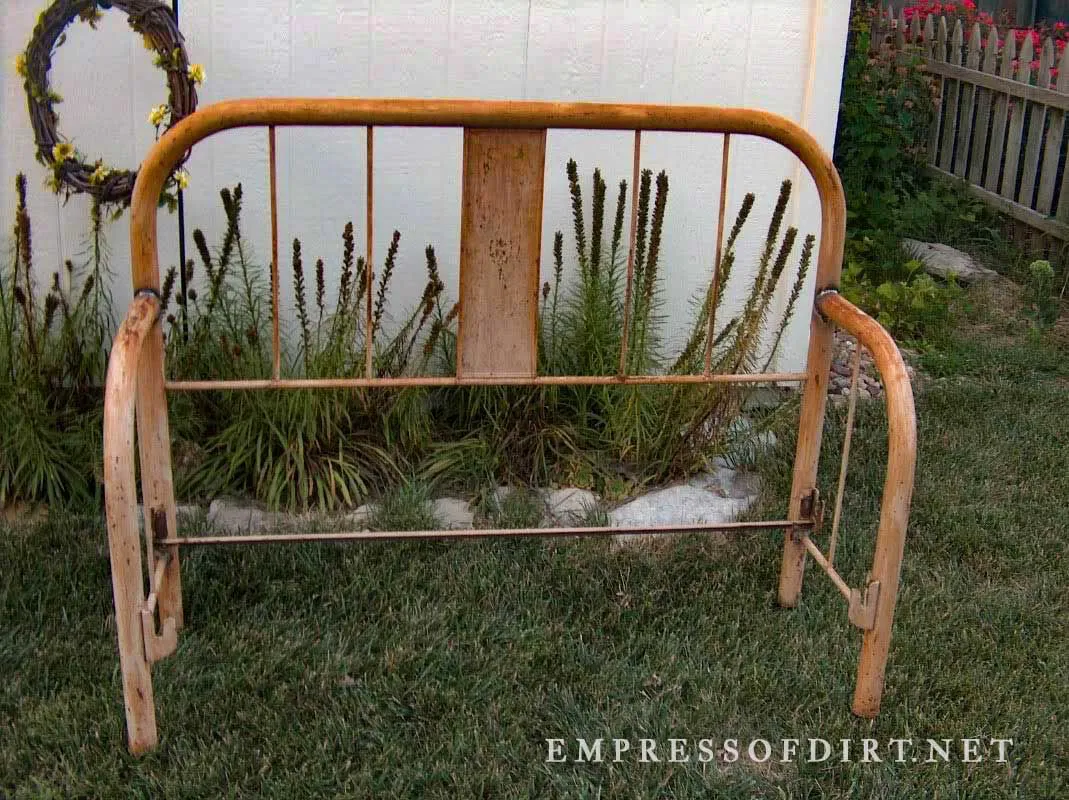
- Garden bench - headboard becomes the back, footboard cut down for the seat. The single most popular bed-frame upcycle.
- Raised garden bed - a wooden frame box (no slats) lined with landscape fabric makes an instant 4×6 raised bed.
- Trellis or climbing-plant support - vintage metal headboards work especially well for clematis, climbing roses, and morning glories.
- Coat rack or entryway shelf - mount the headboard to a wall and add hooks.
- Pet bed - cut a toddler-size frame down and fit a cushion.
- Console or coffee table - slats and rails refinished as a console top.
Signs It's Actually Time to Replace Your Bed Frame
Before disposing of a frame, make sure replacement is really warranted - a frame that just needs new hardware can often be salvaged for an hour's work and a $15 bag of bolts. Replace the frame when:
- It creaks audibly under normal movement - usually a sign that joints have loosened or wood has begun to split. Tighten first; if the noise returns within a week, the frame is failing.
- Slats are broken, missing, or sagging - and your mattress dips between them. Replacement slats are cheap; replace those first before scrapping the whole frame.
- Hardware is stripped or missing - bolts, brackets, and cam locks can be replaced if the wood is sound. Once the wood itself has splintered around the fastener holes, the frame is done.
- Visible cracks in rails or legs - a structural crack will only get worse under load.
- Your new mattress doesn't fit - modern mattresses are often thicker and heavier than what older frames were designed to support.
Old Bed Frame FAQs
Does Goodwill accept bed frames?
Many Goodwill locations refuse bed frames - their published donation-acceptance guidelines list mattresses, box springs, and bed frames among items they cannot accept due to hygiene, storage, and resale constraints. Policies are set locally, so call your nearest store before loading. Habitat for Humanity ReStore and The Salvation Army are usually more reliable for furniture donations.
How do I get rid of a bed frame for free?
Cheapest free routes: (1) list it on Freecycle, Buy Nothing, or Nextdoor's Free section - usually picked up within hours; (2) schedule a municipal bulk-waste pickup, which is free a few times per year in most U.S. cities; (3) drive it to a scrap-metal yard (metal frames only - they may pay you a few dollars). Avoid setting it at the curb on a regular trash day; most cities won't collect it and may issue a fine.
Can old bed frames be recycled?
Yes. Metal frames go to a scrap-metal yard - ferrous and non-ferrous steel are both recycled indefinitely. Solid wood frames can be taken to a municipal wood-recycling or yard-waste facility, which typically chips them into mulch or bioenergy feedstock. Painted, pressure-treated wood, particleboard, and MDF frames are usually rejected by mulch programs and have to go to bulk waste.
How much does junk removal for a bed frame cost?
Most national services charge $75-$200 to remove a single bed frame, with discounts when bundled with other items. The exact price depends on metro, whether it's already disassembled, and whether stairs or elevators are involved. Always get a no-obligation quote with a photo before booking.
Is it worth repurposing an old bed frame?
Only if you'd genuinely use the result. A headboard-to-bench or wooden-frame-to-raised-garden-bed conversion is a solid weekend project that adds value. "Repurposing" by leaving the frame in your garage for two years isn't repurposing - it's deferred disposal. Be honest with yourself before keeping it.
Shopping for a new bed frame?
Before you buy, make sure the new frame matches your mattress size, height, and weight. Our buying guides walk through size, foundation type, and what to look for in a frame that lasts.