A mattress topper is the cheapest way to upgrade an existing bed - and the choice between a 2-inch and a 3-inch model is the single biggest decision you'll make. The thicker pad doesn't just feel different; it changes how your mattress supports your spine, how heat moves through the layers, and how much your bed will look and feel like a brand-new sleep system.
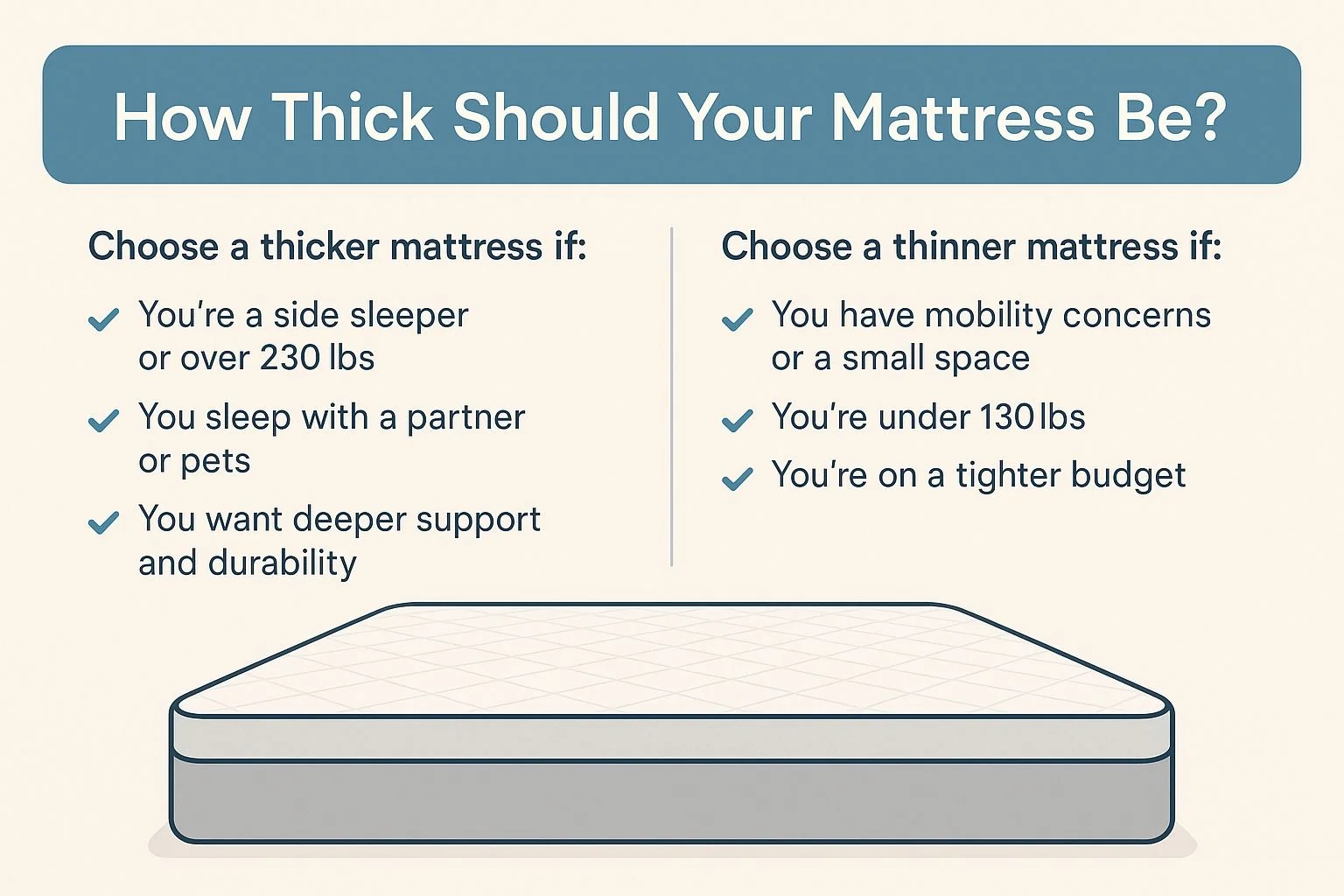
The short answer: pick a 2-inch topper if you weigh under about 165 pounds, sleep on your back or stomach, or just want to soften a slightly firm mattress. Pick a 3-inch topper if you sleep on your side, weigh more than 165 pounds, or are trying to revive a too-firm or aging mattress with real pressure relief.
Below, we break down what each thickness actually does, why side sleepers and heavier bodies usually need the extra inch, and how materials like memory foam and latex change the calculation.
Disclosure: Banner Mattress is an independent retailer; some retailer links may earn us a commission. Recommendations reflect editor research and consensus across the top mattress publications.
2-inch vs 3-inch mattress topper: the key differences
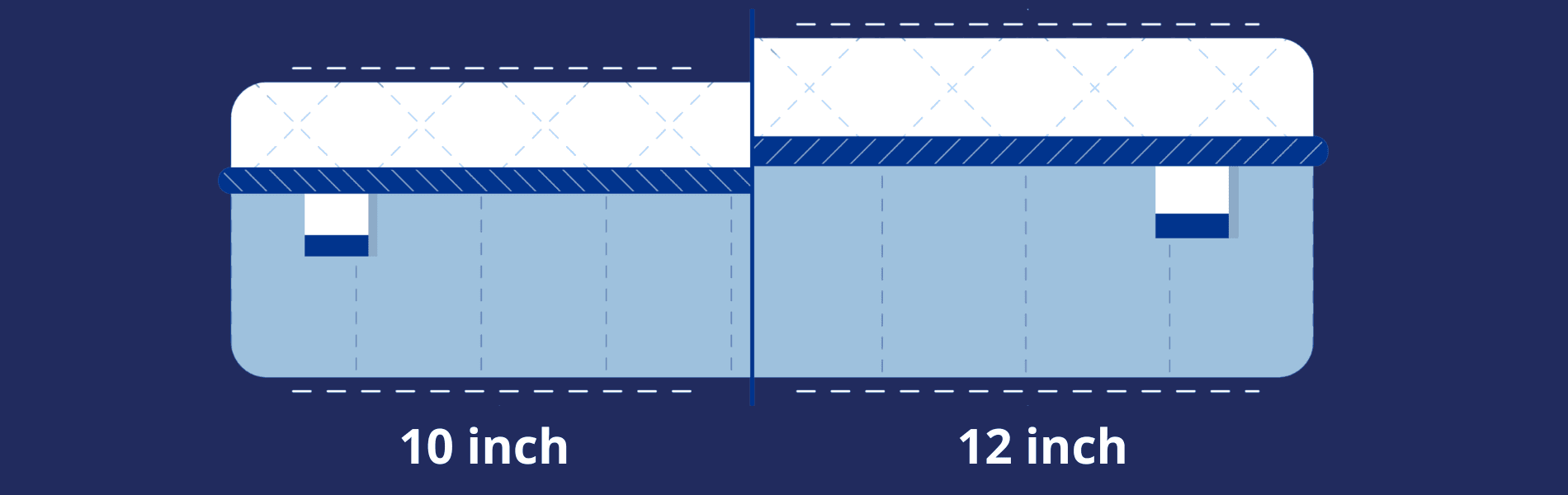
A 2-inch topper sits closer to the surface of your mattress. It softens the top layer without changing how supportive the bed feels underneath. A 3-inch topper - about 50% thicker - adds enough material to let your shoulders and hips sink in for genuine pressure relief, and it can mask sagging or hardness in the mattress below.
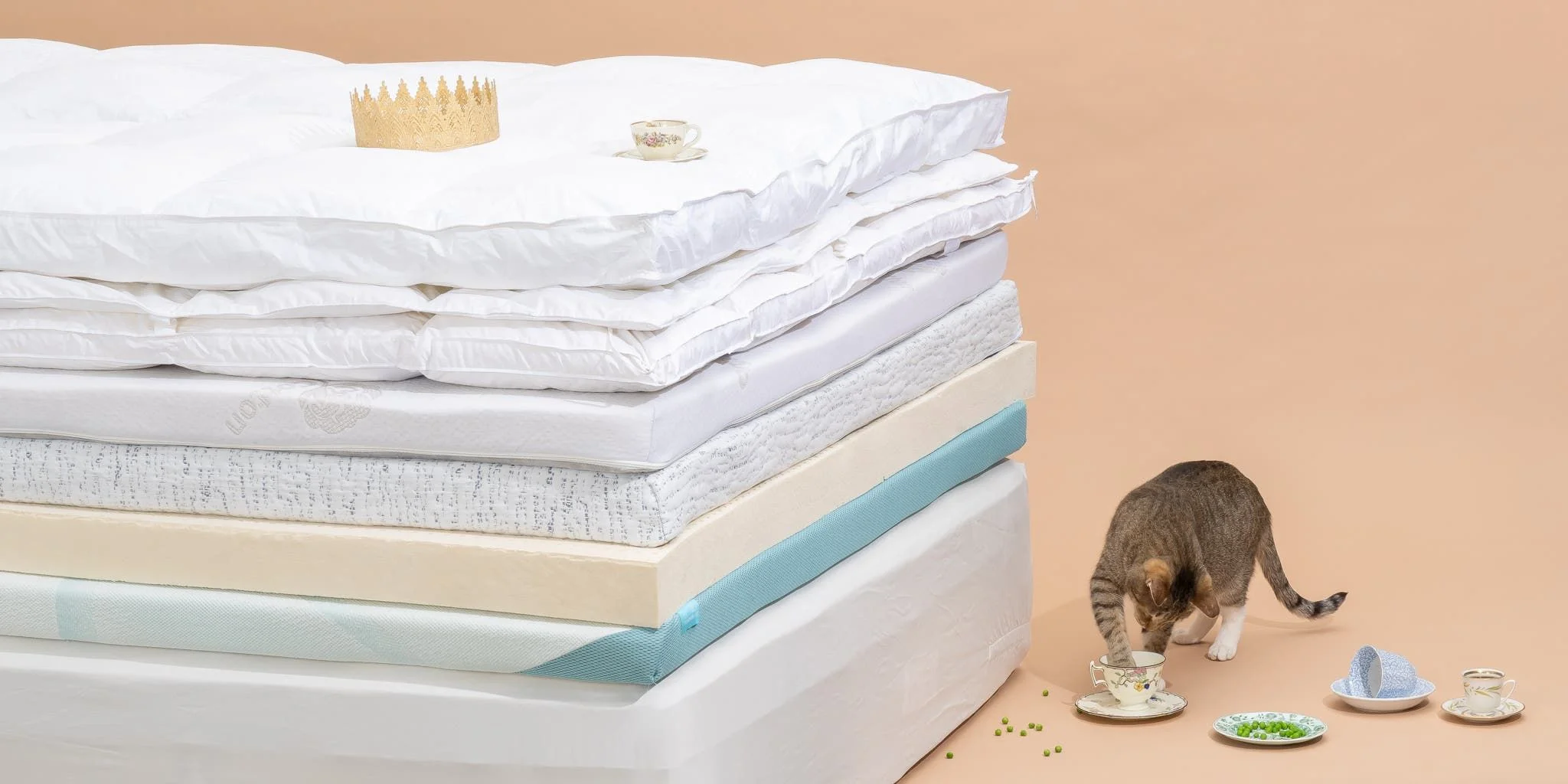
Both thicknesses come in the same materials (memory foam, gel-infused foam, latex, wool, and down alternative), so the choice usually comes down to how deep you want to sink and how much your current mattress needs help.
Best for - A 2-inch topper suits light sleepers (under 165 lbs), back and stomach sleepers, and slightly firm beds. A 3-inch topper suits side sleepers, heavier sleepers (over 165 lbs), and aging or very firm beds.
Feel change - 2-inch is subtle softening; 3-inch is a significant transformation of the bed.
Pressure relief - 2-inch is mild; 3-inch is deep and contouring.
Heat retention - 2-inch is lower; 3-inch traps more heat because there is more foam.
Mattress fix - A 2-inch is a minor comfort tweak; a 3-inch can rescue a firm or sagging bed.
Typical cost - 2-inch is the cheaper option; 3-inch usually costs 20-40% more in the same material.
When a 2-inch topper is the right choice
A 2-inch topper is the safer pick when your mattress is mostly fine and you just want a small upgrade. Common scenarios:
- You weigh under 165 pounds. Lighter bodies don't compress 3 inches of foam meaningfully, so the extra material just sits underused. Editorial reviewers note that thinner toppers preserve a mattress's existing support for lighter sleepers.
- You sleep on your back or stomach. These positions need the spine kept relatively flat. A 3-inch plush layer can let the hips sink too far, especially for stomach sleepers.
- Your mattress is already comfortable. If the bed is just slightly firmer than you'd like, 2 inches will take the edge off without making it feel like a different mattress.
- You run hot. All foam traps heat, but thicker foam traps more of it. A 2-inch topper - especially in latex or gel-infused foam - sleeps cooler than a 3-inch.
- You're working with a tall mattress. If your bed is already 12+ inches, a 3-inch topper can push your fitted sheets and bed frame past their limits.
When a 3-inch topper is worth the upgrade
The extra inch isn't just about plushness - it's about how much your body sinks before it hits the firm mattress underneath. Pick 3 inches when:
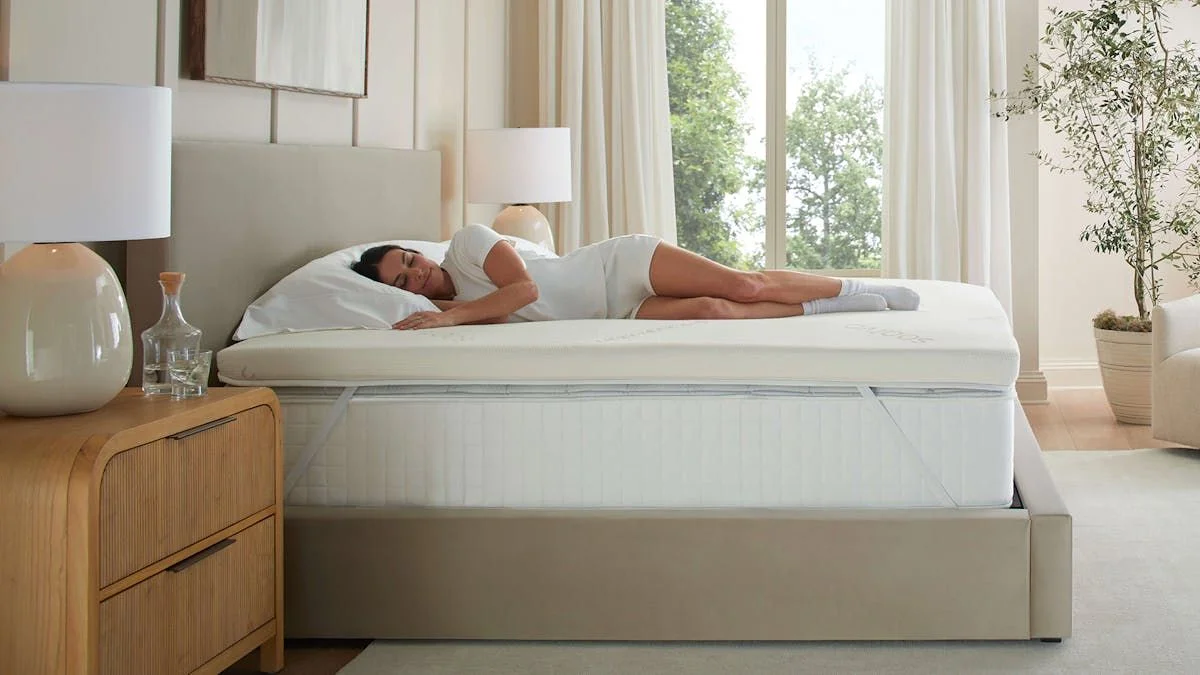
- You sleep on your side. Side sleepers concentrate weight on the shoulder and hip. Editorial sources recommend at least 3 inches of pressure-relieving foam for side sleepers, especially those over 130 pounds.
- You weigh more than 165 pounds. Heavier sleepers compress 2 inches of foam quickly and end up feeling the firmness of the mattress below - what reviewers call "bottoming out."
- You have back, hip, or shoulder pain. Three inches of medium-firm foam can both cushion pressure points and improve spinal alignment, reducing morning stiffness.
- Your mattress is too firm or starting to sag. A 3-inch topper has enough mass to disguise dips and hard spots that a 2-inch can't.
- You want a "cloud" feel. If you're chasing the plush, sinking-in luxury feel, the 3-inch is closer to that experience.
How materials change the equation
Thickness alone doesn't tell the whole story. The same 2 inches of memory foam, latex, and wool feel completely different.
- Memory foam: Slow-sinking, contouring, hugs the body. Sleeps warmer. A 2-inch memory foam topper feels softer than 2 inches of latex.
- Gel-infused memory foam: Same contouring, slightly cooler. Most popular choice for side sleepers who run warm.
- Latex: Bouncier and more responsive. Naturally cooler. Easier to move on top of, so a 3-inch latex sleeps less "stuck" than 3-inch memory foam.
- Wool / down alternative: Adds plushness and breathability without much pressure relief. Better at temperature regulation than at fixing a firm mattress.
A practical rule: if you're choosing memory foam, drop one thickness step compared to latex. A 2-inch memory foam topper relieves about as much pressure as a 3-inch latex one, because memory foam compresses more under load.
How to pick: a quick decision guide
Run your situation through these four questions in order:
- Are you a side sleeper or do you weigh over 165 pounds? → 3-inch.
- Is your mattress visibly sagging, or has it gone hard with age? → 3-inch.
- Do you run hot or already have a tall mattress? → 2-inch.
- Otherwise, just looking to soften a comfortable mattress? → 2-inch.
For couples with mismatched preferences (a heavier side sleeper plus a lighter back sleeper), a 3-inch latex or hybrid topper splits the difference better than memory foam, because it's responsive enough not to overwhelm the lighter partner.
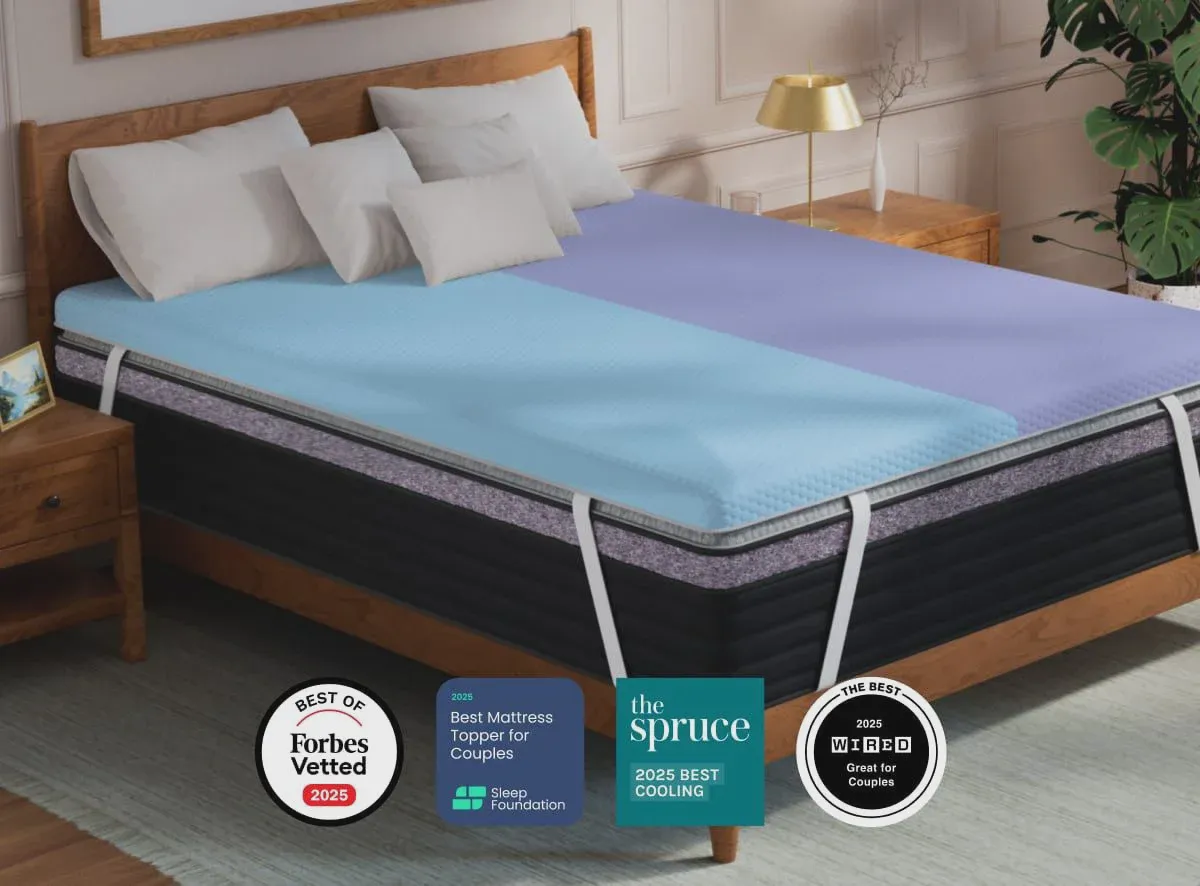
2-inch topper - pros & cons
- Subtle softening without changing your mattress feel
- Cooler sleep - less foam means less heat retention
- Lower price than 3-inch in the same material
- Works on tall mattresses without exceeding sheet depth
- Easier to move on top of (less "sinking" feel)
Cons
- Not enough cushioning for most side sleepers
- Bottoms out under sleepers over ~165 lbs
- Won't hide a sagging or visibly worn mattress
- Limited pressure relief for hip or shoulder pain
3-inch topper - pros & cons
- Deep pressure relief for shoulders and hips
- Best fit for side sleepers and heavier bodies
- Can disguise a too-firm or aging mattress
- Closer to a true plush, "cloud-like" feel
- Improves spinal alignment for back and side sleepers
Cons
- Sleeps warmer than 2-inch in the same material
- Adds noticeable height - may push past sheet depth
- 20-40% more expensive than the 2-inch version
- Stomach sleepers may sink too far for good alignment
Where toppers fit in your bigger sleep setup
A topper is a comfort tweak, not a structural fix. If your mattress core is genuinely worn out - broken-down springs, permanent body impressions deeper than 1.5 inches, or sleep that leaves you stiff no matter what you change - a topper will only delay the inevitable. Our mattress firmness guide covers how to read your current bed honestly before you spend on accessories.
For organic and natural-fiber options, see our best organic mattress topper picks. RV and short-queen owners working in tight cabin spaces should start with the best RV mattress topper roundup instead - those beds have unique thickness limits that change the 2-vs-3-inch math.
Frequently asked questions
Is a 3-inch mattress topper too thick?
Three inches is the upper end of "comfort topper" thickness and the right pick for side sleepers, heavier bodies, and aging mattresses. It is rarely too thick on its own, but it can be too much if your mattress is already very plush - at that point you'll sink past the supportive layer underneath. It can also push your bed past the depth your fitted sheets and bed frame are built for, so check sheet depth (most pocket sheets fit 14-16 inches) before buying.
Can a mattress topper help back pain?
A topper can help when the pain comes from a too-firm mattress causing pressure at the hips and shoulders, or from a slightly worn mattress that no longer cushions evenly. A 3-inch medium-firm memory foam or latex topper is the most common pick for back pain because it cushions pressure points while keeping the spine relatively aligned. A topper will not fix back pain caused by a structurally broken mattress or a non-mattress issue, and it is not a substitute for medical advice from a clinician.
Will a 2-inch topper soften a very firm mattress?
A 2-inch topper will take the edge off a slightly firm mattress but will not transform a hard one. If your mattress feels like sleeping on the floor, you need 3 inches of medium-soft foam or latex to add real cushioning. If the bed only feels a little firmer than you want - common with new beds in the first few months of break-in - a 2-inch topper is enough.
Are thicker toppers always better for side sleepers?
Up to 3 inches, yes. Beyond that, returns shrink fast: 4-inch toppers add weight, heat, and cost without significantly more pressure relief for most sleepers. For side sleepers under 165 pounds, 3 inches of medium-soft memory foam or medium latex is usually the sweet spot. Heavier side sleepers can consider a 4-inch but should compare it against simply replacing the underlying mattress, since at that thickness you are essentially building a new sleep system on top of an old one.
Do mattress toppers sleep hot?
All foam traps some heat, and thicker foam traps more. A 3-inch memory foam topper is the warmest common option; a 2-inch latex topper is the coolest. Gel-infused memory foam splits the difference. If you run hot, prioritize material (latex or gel foam) over thickness, and pair the topper with breathable cotton or bamboo sheets - the cover fabric matters more than most buyers expect.
How long does a mattress topper last?
A quality memory foam or latex topper lasts 3-5 years with regular use. Cheaper polyurethane foam can flatten in 1-2 years. Signs it is time to replace: visible body impressions deeper than half an inch, the topper no longer rebounds when you press it, or pain symptoms returning. Rotating the topper head-to-foot every few months extends its useful life.