The short answer
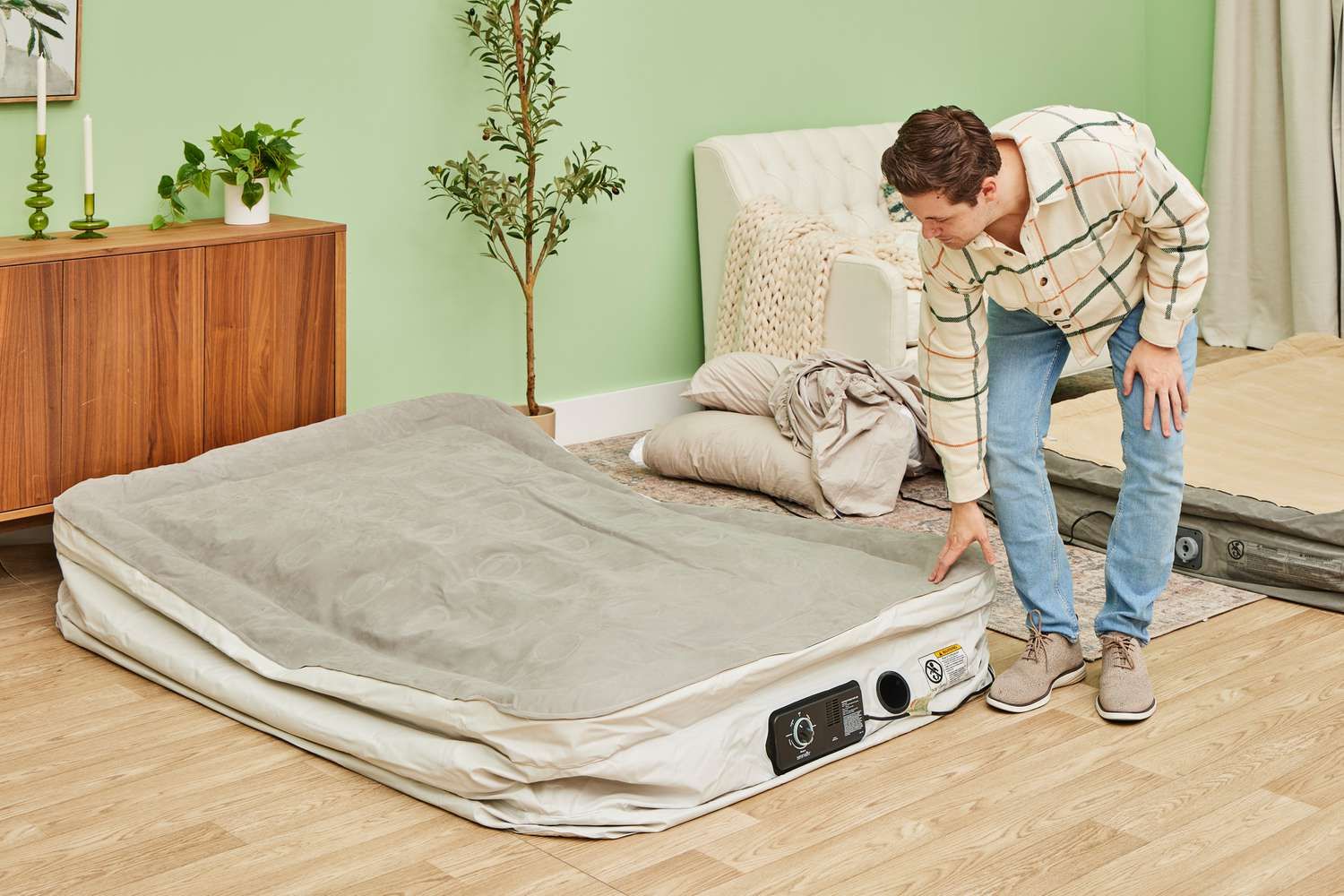
Yes - bed bugs can live on an air mattress, but not in the way you might expect. They cannot chew through PVC or burrow into the inflated chambers, and the smooth plastic itself is a poor harbor. What they readily do is hide in the seams, welded edges, valve area, electric pump housing, and the sheets, blankets, and pillows resting on top. If the air bed sits on the floor, that gives them an even shorter walk to a feeding host.
This corrects a common misconception you will see repeated on lower-quality blogs (including older copy on this site): that air mattresses are bed-bug-proof because of the material. The plastic material discourages them, but it does not stop them. Coverage from ABC Home & Commercial Services, a 2017 review in PMC (NIH), and Puffy's editorial team all describe air mattresses as less hospitable than fabric mattresses - not immune.
Why bed bugs avoid the PVC itself
- Bed bugs grip and lay eggs in woven or quilted surfaces; smooth PVC offers nothing to hold.
- There are no foam layers, no pillow top, and no springs - the structures bed bugs prefer.
- A non-porous surface can be wiped down with hot soapy water without absorbing residue.
- They cannot chew through PVC or live inside the inflated chamber.
Why an air bed can still be infested
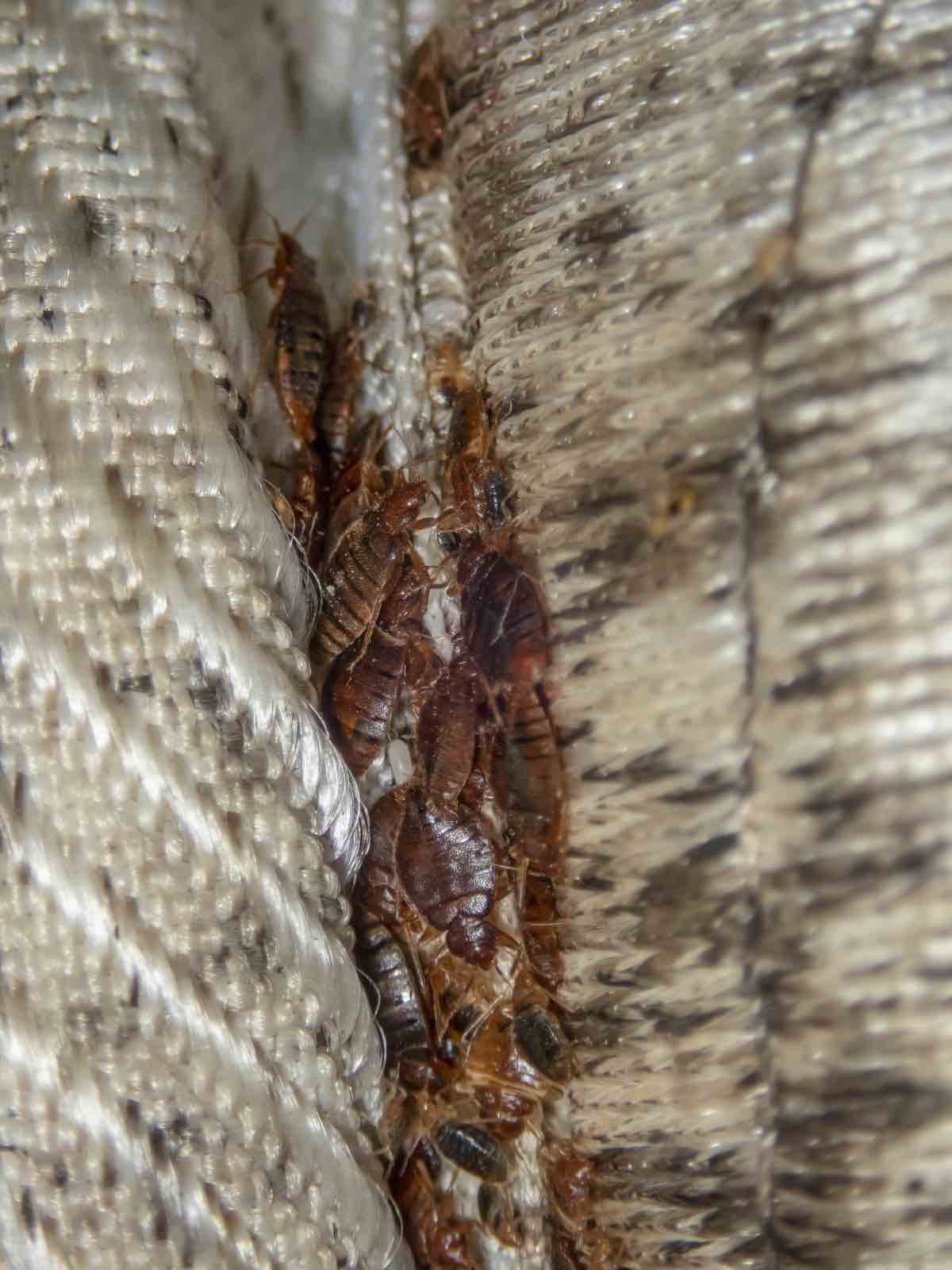
- Every seam, weld line, and flocked top edge is a tight crevice they will use.
- Built-in pumps and screw valves create dark, warm pockets next to the body.
- The sheets, blanket, and pillow are the main harbor - not the bed itself.
- Air beds usually sit on carpet or hard floor, which makes the climb-up trivial.
Where bed bugs actually hide on an air mattress
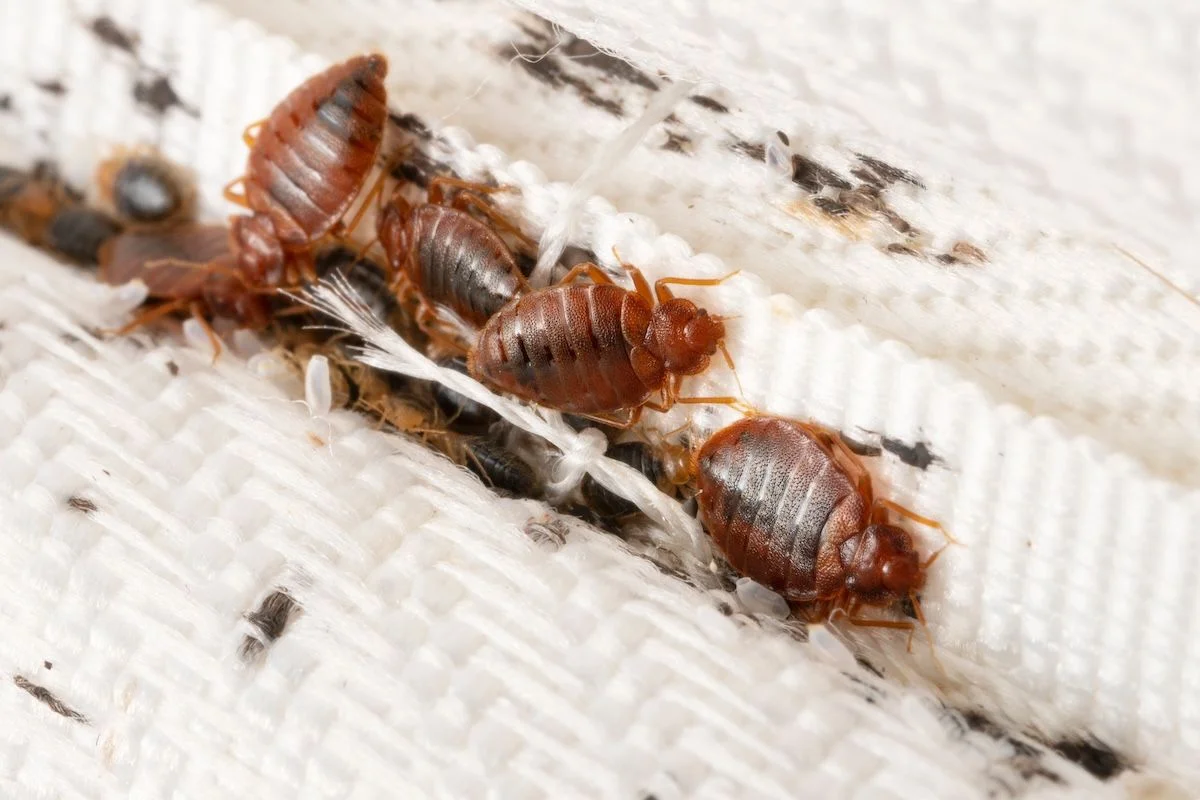
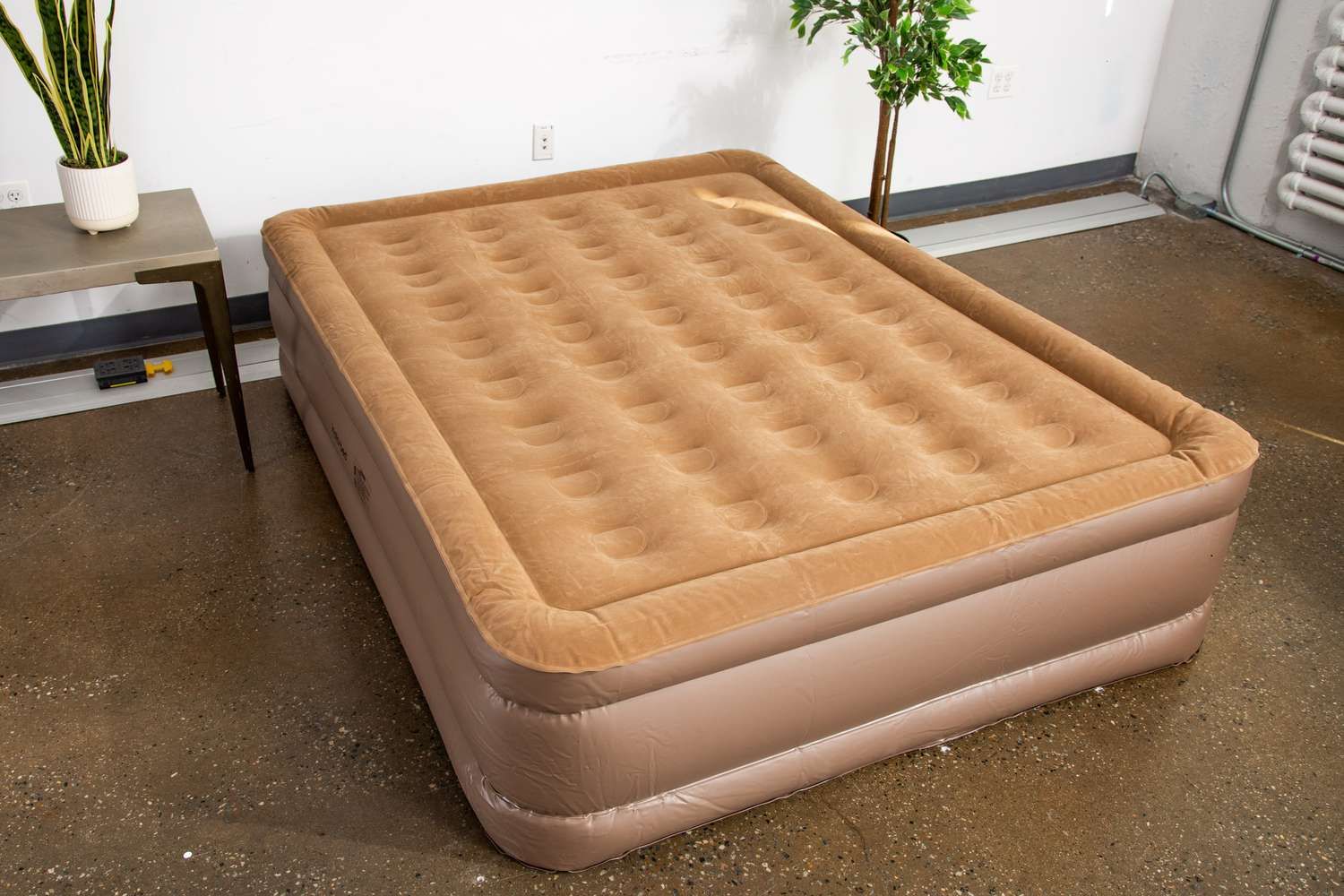
- Seam welds and flocked top edges. The transition between the smooth side panel and the suede-feeling top is the single most common harbor on a domestic air bed.
- The valve and pump assembly. Built-in electric pumps run warm, smell of CO₂-rich air, and contain internal cavities the bugs can reach via the screw cap.
- Sheets, fitted covers, and pillowcases. Standard fabric bedding behaves the same on an air bed as on any mattress - they will lay eggs in the hem and the elastic.
- The carpet or floor under the bed. Most air-mattress infestations start here, then climb up. Vacuuming the floor is non-optional.
- The storage bag. If the mattress was packed away after a previous infestation, eggs can still be present months later.
How to tell whether your air mattress has bed bugs
Inspection on PVC is actually easier than on fabric - you are looking for high-contrast marks on a uniform surface. Use a flashlight at a low angle and check:
- Small dark spots (1-2 mm) along the seam line. These are fecal smears and will streak rust-colored when wiped with a damp white tissue.
- Translucent shed skins near the valve, often pale tan and crinkly.
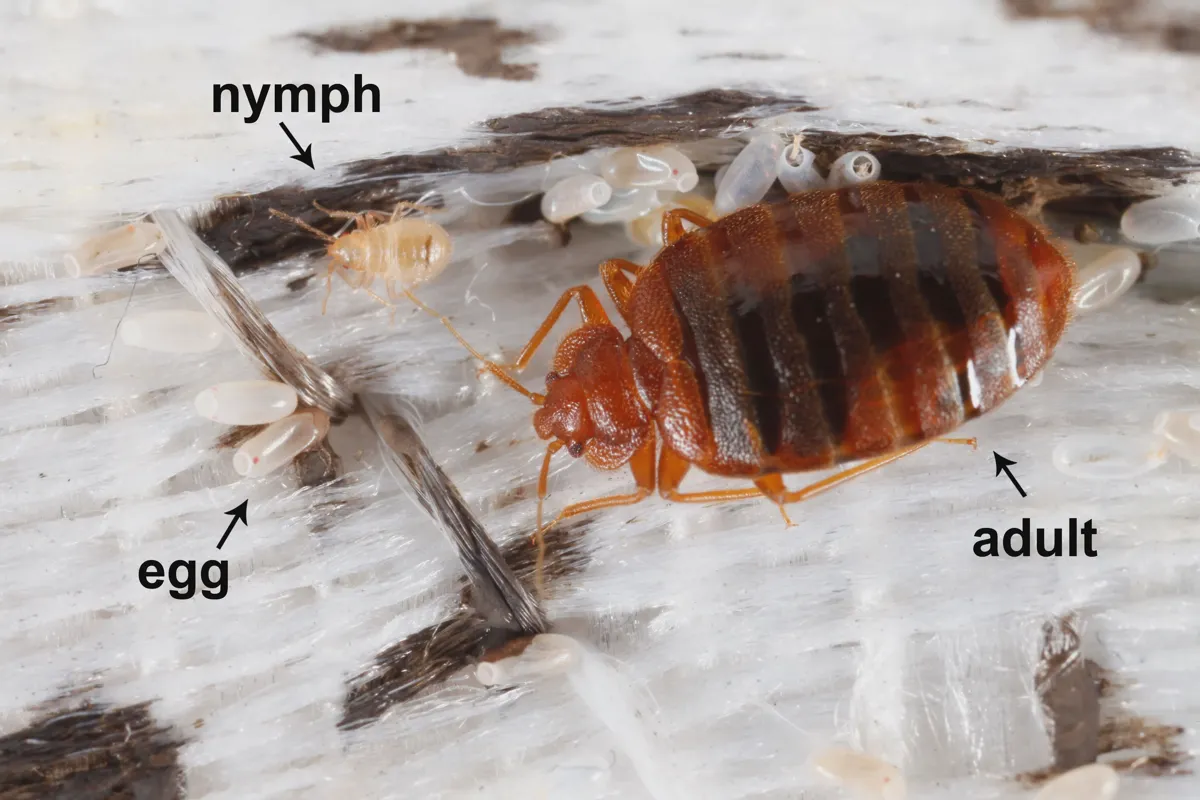
- Live insects: adults are roughly apple-seed size, flat, and reddish-brown.
- Bites in a line or cluster on whichever side of your body faces the mattress - typically arms, shoulders, or back.
Per the EPA's bed bug identification guide, a credible diagnosis usually needs at least two of these signs together - one bite cluster alone is not enough.
How to clear an infested air mattress (without throwing it out)
Air mattresses are one of the few sleep surfaces you genuinely can save from a bed bug infestation, because the killing surface is non-porous. Work in this order:
Steam treatment is widely recommended for fabric mattresses but is not appropriate for PVC air beds - sustained steam will warp seams and may compromise the air-tight weld. Skip the steamer for the mattress itself; use it on the carpet only if your model tolerates it.
When you should throw the air mattress away
Disposal is rarely required, but there are three cases where it is the honest answer:
If you do dispose, deflate, bag in heavy-duty plastic, label “BED BUGS - DO NOT REUSE,” and put it directly in the curbside trash, not a thrift shop or alley. The Banner Mattress team has fielded many calls from customers who picked up a roadside air bed; please do not be the source of someone else's infestation.
After disposal, the next bed often arrives with its own surprise leak, leaving owners asking why does my air mattress keep deflating overnight.
How to keep them away from an air mattress
Air mattress + bed bugs: common questions
Can bed bugs bite through an air mattress?
No. Their mouthparts cannot pierce PVC or vinyl. They feed by climbing onto your skin, not by biting through the bed.
Will bed bugs lay eggs on an air mattress?
Not on the smooth plastic surface. They will lay eggs in the seam folds, the valve crevice, the flocked top edge, and any fabric bedding placed on top. The PVC body itself is not a viable egg-laying site.
How long can bed bugs live on an air mattress without feeding?
Adult bed bugs can survive roughly 2-5 months without a blood meal in typical bedroom temperatures, per Purdue University Extension. That is why a sealed encasement should stay on for at least six months after treatment.
Does deflating and storing the mattress kill bed bugs?
Storage alone does not kill them. They simply wait. Heat treatment, an alcohol/soap wipe-down, or a sealed encasement during long-term storage are what actually break the cycle.
Is an air mattress safer than a regular mattress in a bed-bug situation?
Marginally. The non-porous surface is easier to clean and offers fewer hiding layers, but the seams, valve, and bedding still allow infestation. The right comparison is 'easier to recover' rather than 'safer.'
Do bed-bug sprays damage PVC air mattresses?
Most pyrethroid-based household sprays are safe on PVC at label concentrations, but anything alcohol-heavy or solvent-based can dull the surface or weaken seams over time. Test on the underside first and prefer mechanical cleaning + encasement over chemical use on the bed itself.