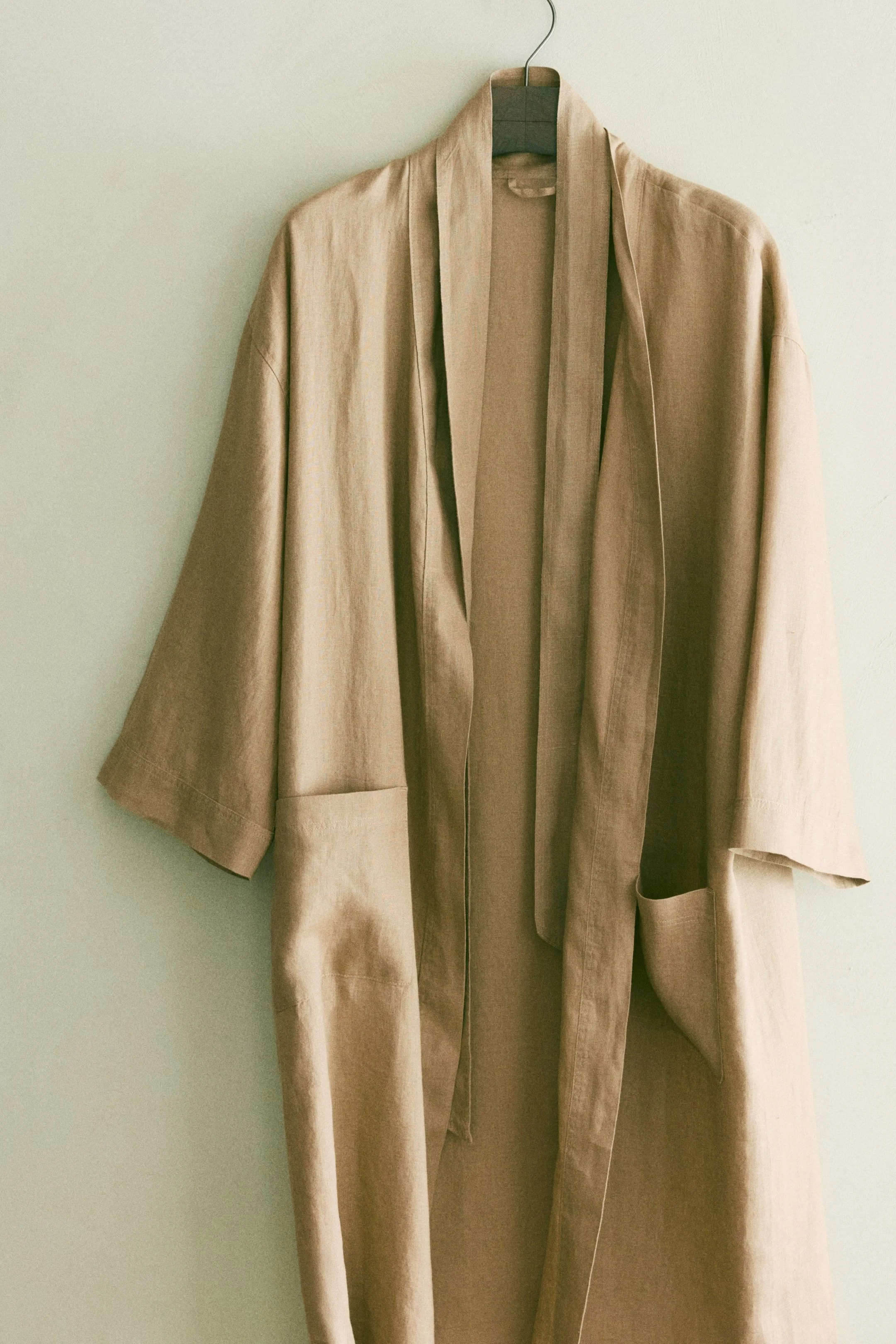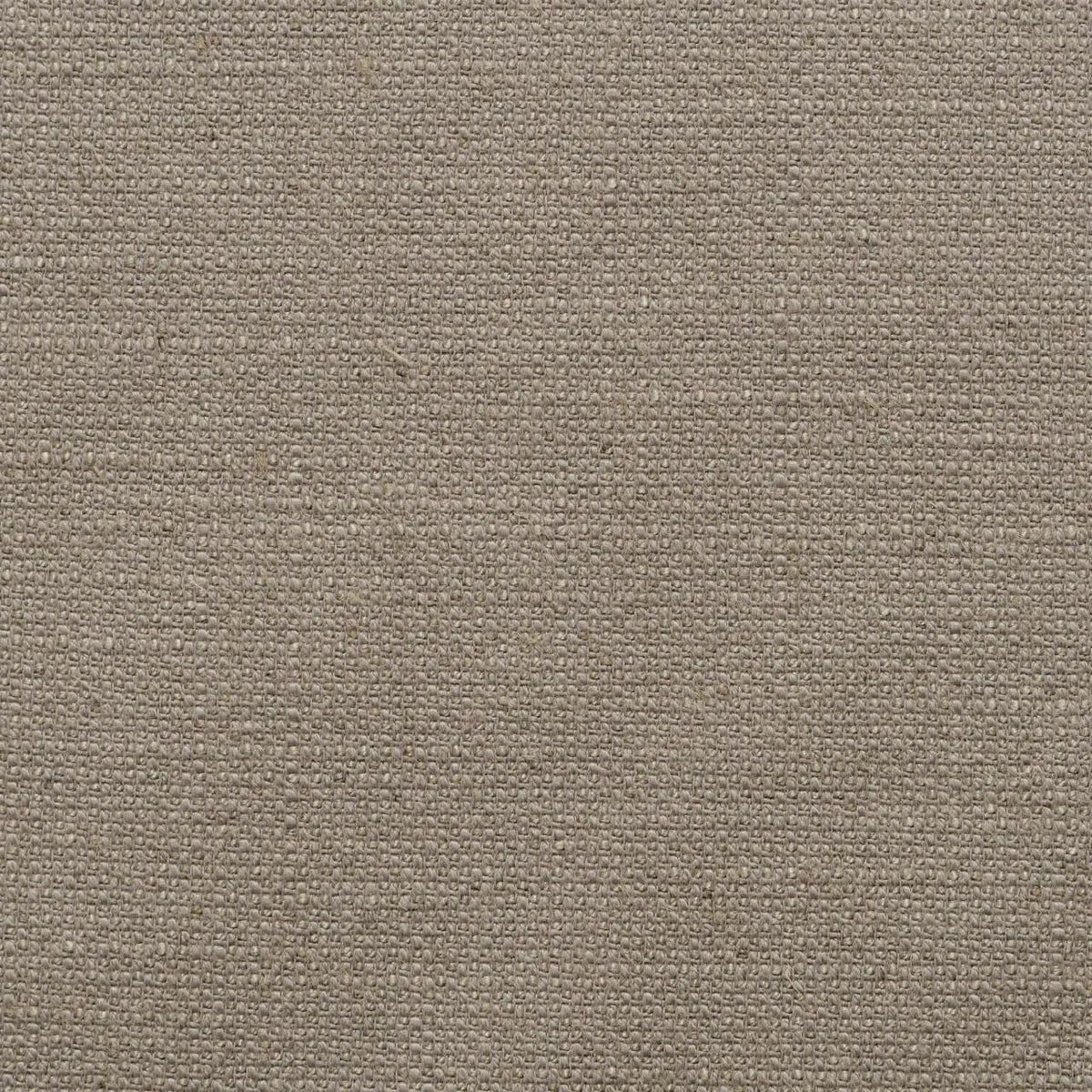

Linen and cotton are the two most popular natural fibers in bedding - and choosing between them shapes how cool you sleep, how soft your sheets feel out of the package, how long they last, and how much you pay. We've tested both in our review lab across hundreds of nights, and the answer comes down to your sleep temperature, your patience with a break-in period, and your budget.
The short version: linen is the better choice for hot sleepers, humid climates, and buyers who want sheets that last a decade or more. Cotton wins for instant softness, easier care, and a lower price tag. Here's the full breakdown.
Linen vs Cotton at a Glance
Material. Linen comes from the woody stalks of the flax plant; cotton comes from the soft fluff (the boll) around cotton seeds. Both are plant-based, biodegradable, and have been used for sheets for thousands of years.
Feel. Cotton is soft, smooth, and ready to use straight out of the package. Linen starts crisp - almost stiff - and softens dramatically over the first 10 to 20 washes.
Temperature. Linen fibers are hollow, so air and moisture move through the fabric freely. That makes linen the cooler sheet for hot sleepers and warm climates. Cotton breathes too, but how much depends on the weave - a tight sateen sleeps warmer than an open percale.
Durability. Linen is roughly 30% stronger than cotton on a fiber-by-fiber basis, and a quality set commonly lasts 10 to 20 years. Cotton sheets usually last 3 to 7 years before pilling or thinning.
Price. Expect to pay two to three times more for linen than for a comparable cotton set. Over the lifespan of the sheets, linen's cost per year often comes out lower.
Sleep hot? Pair the right sheets with the right mattress.
Looking for sheets that match your mattress?
Linen pros
- Cooler sleep - hollow fibers and loose weave move air and moisture out of the bed
- Lasts 10-20 years, the longest of any natural-fiber sheet
- Gets softer with every wash
- Naturally antimicrobial and hypoallergenic
- Low environmental impact - flax needs little water or pesticide
Linen cons
- Stiff and textured for the first 10-20 washes
- Wrinkles immediately and never fully irons flat
- Snags more easily than tightly woven cotton
- Two to three times the upfront cost of cotton
How Linen and Cotton Are Made
Linen
Linen is the oldest woven fabric known - flax fibers have been found in caves in Georgia and Switzerland dated to more than 30,000 years ago. To make modern linen, flax stalks are retted (soaked) to break down the woody binder around the fibers, then scutched, hackled, spun into yarn, and woven. Most premium linen sheets today come from European flax grown in France, Belgium, and the Netherlands, where the cool maritime climate produces long, fine fibers.
The result is a fabric with a slightly slubby, textured surface and a distinctive lived-in drape. Pure linen sheets are usually labeled "100% flax linen" or carry a European Flax certification.
Cotton
Cotton is harvested from the seed boll of the cotton plant. Fibers are ginned (separated from the seed), carded, combed, and spun into yarn. The length of the fiber - called the staple - drives quality. Long-staple cottons like Egyptian, Pima, and Supima produce smoother, stronger, less-pilling yarn. Short-staple cotton is rougher and wears out faster.
Once spun, cotton yarn can be woven into percale (a one-over-one-under weave that sleeps crisp and cool) or sateen (a four-over-one weave that sleeps smoother and slightly warmer). Cotton can also be jersey-knit for a t-shirt feel.
Temperature and Breathability: The Hot-Sleeper Verdict
If you sleep hot, linen wins by a comfortable margin. Flax fibers are hollow, and linen is almost always woven loosely, so warm air and humidity move out of the bed instead of pooling against your skin. Linen also absorbs up to 20% of its weight in moisture before feeling damp - your night sweat wicks into the fabric instead of sitting on you.
Cotton breathes too, but the weave matters. A lightweight cotton percale (200 to 300 thread count) is genuinely cool. A 600 thread count sateen, despite the marketing, sleeps noticeably warmer because each yarn intersection is packed tight enough to trap heat.
For a deeper look at how weave affects bedding feel, see our guide to polyester vs. microfiber sheets.
Pair cool sheets with cooler sleepwear by reading our guide on the best material for pajamas to keep you cool.
Softness: Cotton Wins Day One, Linen Wins Year Five
Right out of the package, cotton is the softer sheet. A good percale feels crisp and clean; a good sateen feels silky. Either way, you can put cotton on the bed the night it arrives and sleep happy.
Linen feels different. The first few nights on a new linen set are noticeably textured - some people love that immediately, others compare it to a starched dress shirt. The trade-off is that linen keeps getting softer. Each wash relaxes the fibers a little more, and after about 20 washes a quality linen set develops the buttery, lived-in drape that linen lovers chase.
If you can't tolerate any break-in period, start with a "stonewashed" or "garment-washed" linen - the manufacturer has already done the first few cycles for you.
Durability and Lifespan
This is the dimension where linen runs away with the win. Flax fibers are longer than cotton and twist around each other more tightly when spun, which makes linen yarn measurably stronger.
Cotton (percale, 200-400 thread count): typical lifespan 3-5 years. What fails first - thinning at the center of the bed and visible pilling.
Cotton (long-staple sateen): typical lifespan 5-7 years. What fails first - the sheen dulls and threads start to slip.
Linen (100% flax, mid-weight): typical lifespan 10-20 years. What fails first - edges fray before the fabric body shows wear.
Linen does have one durability weakness: it's woven loosely, so a sharp toenail or a pet claw can snag and tear it more easily than tightly woven cotton. Trim claws and tuck corners properly.
Maintenance and Care
Linen is surprisingly low-maintenance. Machine wash on cold or warm with a mild detergent - never bleach - and tumble dry on low or hang to dry. Linen is naturally antimicrobial, so it stays fresher between washes than cotton (you can stretch to two weeks between launderings if you shower before bed). It's also naturally hypoallergenic, anti-static, and pill-resistant, which means dust and pet hair don't cling the way they do to cotton, and you won't see the small fuzz balls that show up on cotton sheets after a year or two of washing. The trade-off: linen wrinkles immediately and never irons completely flat. Most linen owners learn to embrace the rumpled look.
Cotton is the easier sheet to iron, but otherwise needs a little more attention. Wash in cool water - hot water aggravates the shrinkage that plagues cotton - and skip fabric softener, which coats the fibers and reduces breathability over time. Cotton wrinkles less than linen but pills more if washed with abrasive fabrics like denim.
A note on shrinkage: cotton typically shrinks 3-5% on the first wash, linen 4-8%. Reputable manufacturers pre-shrink before sewing, but always size up if your mattress depth is borderline.
Cost: What You Actually Pay
For a queen sheet set in mid-2026:
- Entry cotton percale or sateen: $60-120
- Long-staple cotton (Pima, Supima, Egyptian): $150-300
- Standard 100% flax linen: $200-400
- Premium European flax linen: $400-700
Linen's higher price reflects how much harder flax is to grow and process - it can't be picked by machine the way cotton can, and the retting and scutching steps are slow.
The lifecycle math, however, often favors linen. A $400 linen set that lasts 12 years costs about $33 per year. A $120 cotton set replaced every four years costs $30 per year - basically a wash - and a $250 long-staple cotton replaced every six costs $42 per year. Linen earns its premium back over time, provided you actually keep the same set that long.
Sustainability
Flax is one of the most sustainable textile crops on the planet. It needs almost no irrigation in its native European climate, uses far fewer pesticides than cotton, and every part of the plant has a use (seeds become linseed oil, woody chiv becomes paper or animal bedding). The European flax growing zone has been farming the crop the same way for centuries.
Cotton is more variable. Conventional cotton is thirsty - it takes about 2,700 liters of water to produce a single t-shirt's worth of cotton, and roughly 7,000 liters of irrigation water to produce just one kilogram of cotton fiber. It's also one of the most pesticide-intensive crops in agriculture; by some industry estimates, about 15% of all the pesticides used worldwide are applied to cotton fields. Organic cotton - certified by GOTS - closes most of that gap and is the right pick if you want cotton without the environmental cost.
When to Choose Linen
You're a better fit for linen if you:
- Sleep hot or live in a humid climate
- Want sheets that last a decade or more
- Like a textured, casual, lived-in bedroom aesthetic
- Have sensitive skin (linen's naturally hypoallergenic and antimicrobial)
- Don't mind wrinkles - actively prefer them, even
When to Choose Cotton
You're a better fit for cotton if you:
- Want the softest possible feel right out of the package
- Prefer crisp, hotel-style smoothness
- Are on a tighter budget for the initial purchase
- Want a wide range of colors, prints, and weave options
- Iron your sheets and want them to actually stay flat
Not sure if cotton or linen is right for you?
Linen vs Cotton Blends: A Middle Ground
If you can't pick a side, linen-cotton blends (typically 55% linen / 45% cotton) split the difference fairly well. They're softer than pure linen on night one, breathe better than pure cotton, cost less than a premium linen set, and wrinkle less aggressively. They won't last as long as pure linen and won't feel quite as crisp as percale, but they're a reasonable compromise.
The Bottom Line
For most hot sleepers willing to invest once and stop buying sheets every three years, linen is the better long-term choice. It runs cooler, lasts longer, and gets more comfortable with age. For everyone else - especially anyone who wants smooth, ready-to-sleep softness at a moderate price - a long-staple cotton percale or sateen is hard to beat.
If you're not sure which side you fall on, the cheapest test is to buy a single linen pillowcase. Sleep on it for two weeks. You'll know.
Linen vs Cotton FAQ
Are linen sheets actually cooler than cotton?
Yes, in most cases. Linen fibers are hollow and the weave is loose, so warm air and humidity escape the bed instead of building up against your skin. A lightweight cotton percale comes close, but cotton sateens sleep noticeably warmer than linen.
What are the disadvantages of linen sheets?
Linen feels stiff and slightly rough until it's been washed 10-20 times, it wrinkles aggressively and won't iron completely flat, it snags more easily than tight-woven cotton, and a quality set costs two to three times what comparable cotton does.
Do hotels use linen or cotton sheets?
Almost all hotels use cotton - usually a 60/40 cotton-poly blend or a long-staple cotton percale at 200-300 thread count. Cotton irons crisp on industrial flatwork ironers, while linen wrinkles too much for the hotel aesthetic. A handful of boutique and resort properties use pure linen for the casual, lived-in look.
How long do linen sheets last compared to cotton?
A quality 100% flax linen set typically lasts 10-20 years with normal use. Standard cotton percale lasts 3-5 years and long-staple cotton sateen 5-7 years. Linen's lifespan is the main reason its higher upfront cost often works out to a similar or lower per-year cost than cotton.
Can you mix linen and cotton sheets?
Yes, and linen-cotton blends (typically 55% linen / 45% cotton) are a popular middle ground. They feel softer than pure linen on night one, breathe better than pure cotton, wrinkle less, and cost less than premium linen. They won't last as long as pure linen, though.
Is linen worth the price?
For hot sleepers, humid climates, and anyone who wants a sheet set that lasts a decade or more, yes - the lifecycle math usually favors linen. For buyers who prioritize immediate softness, a polished hotel-style look, or a tighter budget on day one, a long-staple cotton percale is the better value.
Why don't hospitals use linen sheets anymore?
Modern hospitals overwhelmingly use cotton or cotton-poly blends, not pure linen. The reasons are practical: linen is two to three times more expensive than cotton, it wrinkles aggressively and doesn't iron flat on industrial flatwork ironers, and hospitals process enormous volumes of laundry on hot, bleach-heavy cycles that pure linen tolerates less well than cotton. Cotton blends also dry faster, which matters when a hospital is turning over hundreds of beds a day.
Why is linen more expensive than cotton?
Linen costs more because the production process is labour-intensive. Flax can't be machine-picked the way cotton can; the stalks have to be retted (soaked) and then scutched and hackled to separate the fibers from the woody binder, which adds several slow steps before the yarn is even spun. The end product also lasts two to four times longer than cotton, so the higher upfront cost reflects both the harder process and the longer useful life.