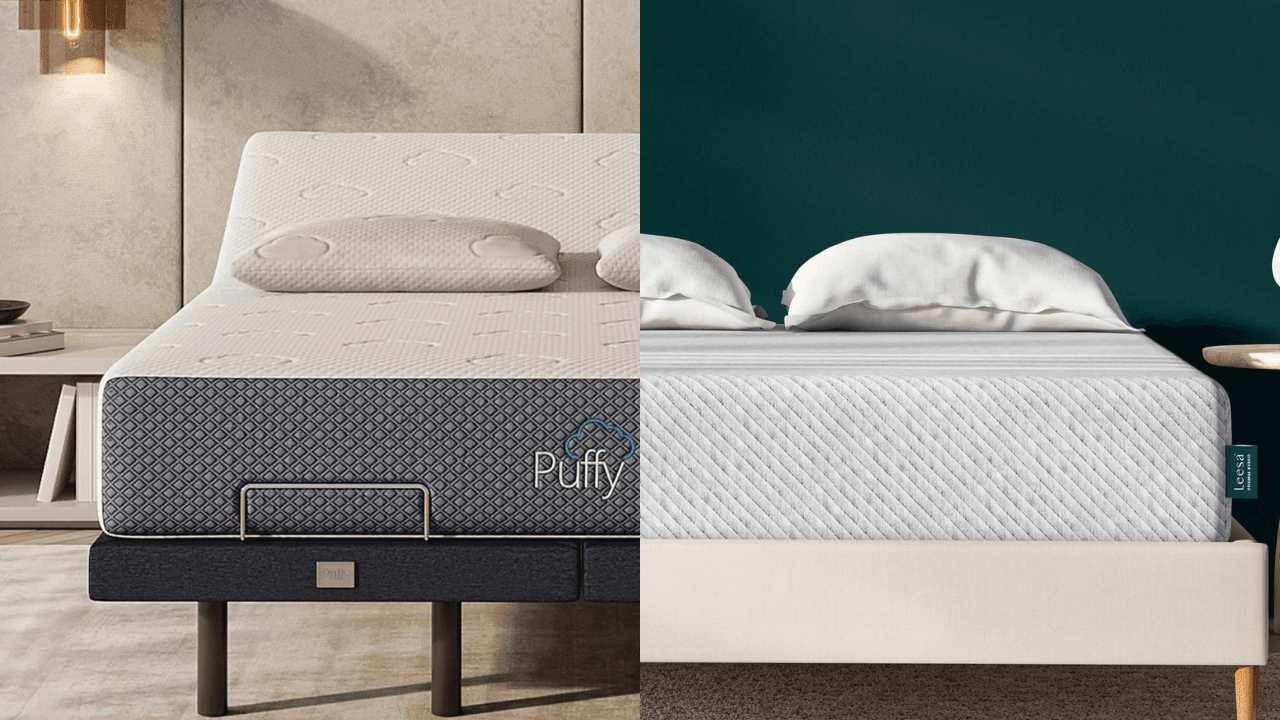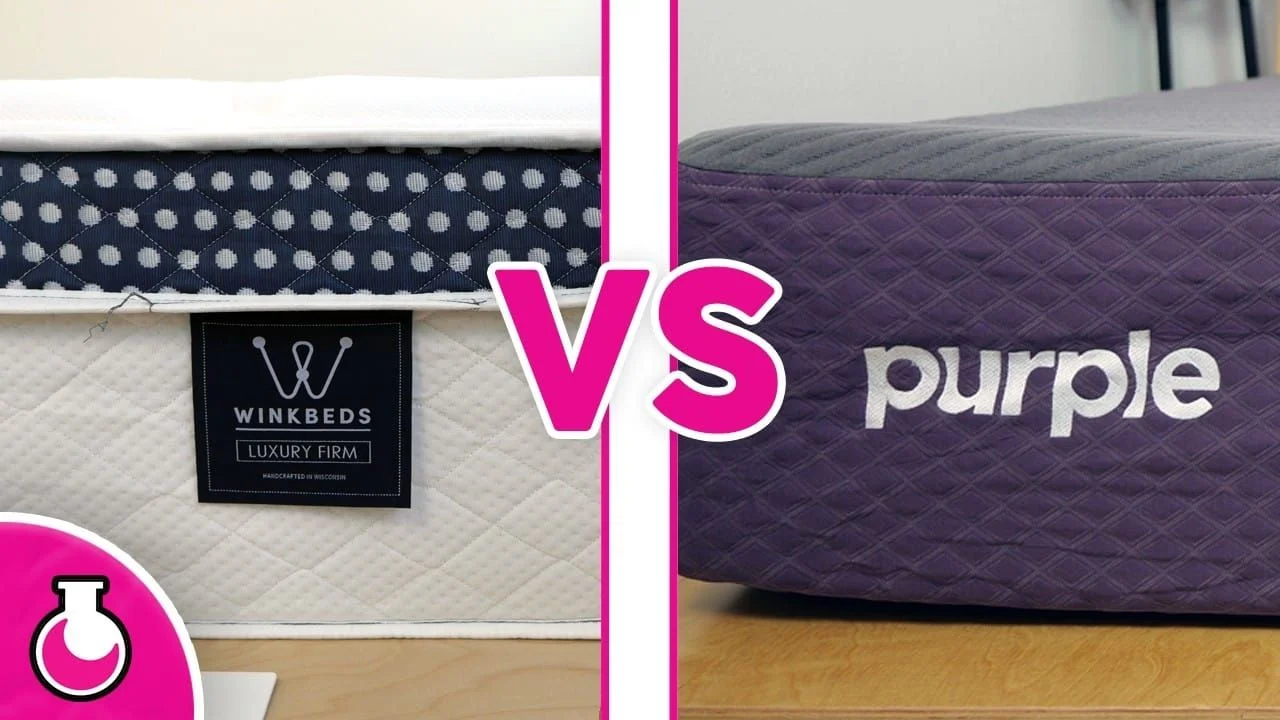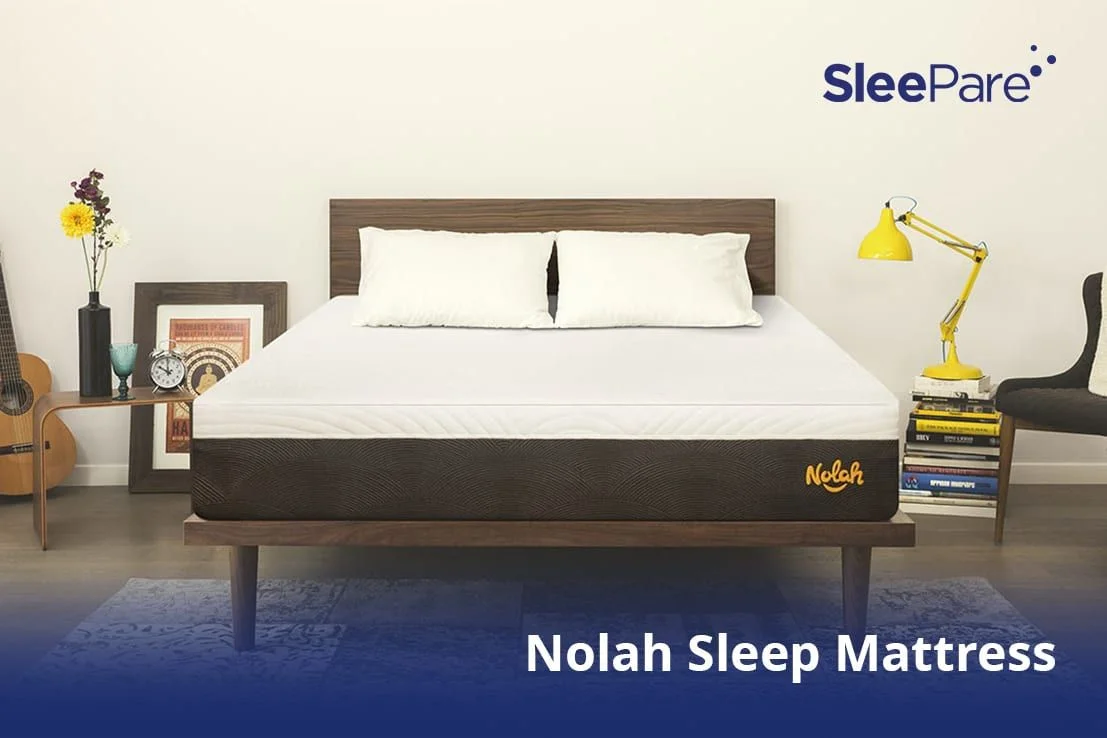
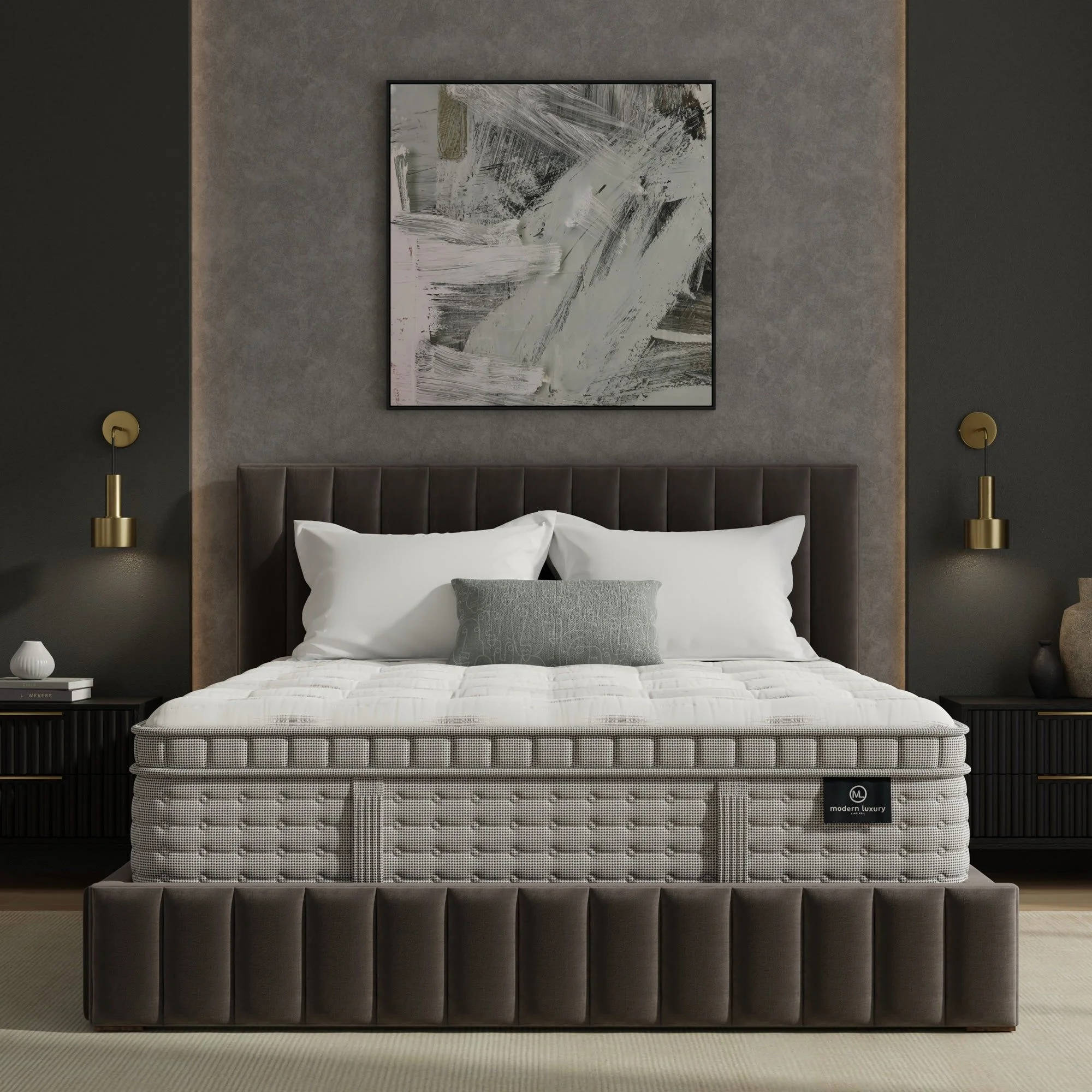
A queen mattress in 2026 can cost anywhere from $200 at a clearance warehouse to $5,000+ at a luxury showroom - a 25x spread for a product that is, at its core, fabric, foam, and steel. So why are mattresses so expensive? The short answer: a handful of premium materials (latex, high-density foam, individually-pocketed coils), heavy retail markups that historically run 200-900%, and a product designed to last 8-10 years rather than one season.
This guide breaks down the 10 cost drivers that move a mattress from "budget" to "premium," shows you exactly what you should expect at each price tier from $500 to $3,000+, and ends with concrete tactics to pay less without sacrificing real quality.
What price tier should you actually shop?
Before the deep dive, here is the realistic 2026 pricing map for a queen-size mattress, distilled from current pricing across Saatva, Nectar, Helix, Tempur-Pedic, DreamCloud, Purple, and Tom's Guide's industry data:
If you spend over $2,500, you should be getting either smart tech or genuine luxury materials - anything less and the markup is paying for marketing, not your sleep.
10 reasons mattresses are so expensive
1. The materials cost more than you think
Raw materials are the single biggest line item on a mattress's build sheet. Steel for innerspring coils rose roughly 16% between 2017 and 2022, and high-grade memory foam (3.5 lb/cu ft density or higher) costs 3-4x what builder-grade 1.5 lb foam costs per layer.
Where the money goes by mattress type:
GOTS, GOLS, GREENGUARD Gold, and OEKO-TEX certifications add real cost (audits, testing, organic-supply premiums) - they are not just marketing.
2. Size scales price non-linearly
A king mattress is not 1.6x a twin even though it covers ~1.6x the surface area. Larger sizes need wider coil units, more foam volume, reinforced edge support, and freight that often requires two-person delivery. Expect roughly:
If two adults aren't sharing the bed full-time, dropping from king to queen is usually the single biggest dollar saving available.
3. Build complexity (layers and design)
Cheap mattresses have two layers. Premium hybrids routinely have five to seven, each with a specific job - pressure relief, transition, support, edge reinforcement, motion isolation. The Saatva Classic, for example, runs an organic cotton cover, a Euro pillow top, memory foam lumbar zone, individually wrapped micro-coils, and a base coil unit - five distinct engineering layers.
More layers means more material, more labor, more glue/stitching machinery, and more QA steps. It also means a thicker mattress (14"+ vs. 8-10"), which is what most people perceive as "feels expensive" when they lie down.
4. Specialist features and certifications
Each premium feature adds a measurable cost bump:
Features only earn their keep if you actually need them. A back sleeper without overheating issues paying $200 extra for advanced cooling is paying for someone else's problem.
5. Built to last 8-10 years (and the math behind it)
A $1,200 mattress that lasts 10 years costs $0.33/night. A $400 budget bed that sags at year 4 costs $0.27/night - and ruins your sleep for the last 18 months of its life. Durability is what justifies the up-front number for most quality beds.
Expected lifespans by type:
Latex mattresses look expensive on day one and cheap on day 5,000.
6. The retail markup problem
This is the dirty secret of the industry. Traditional brick-and-mortar mattress retailers operate on markups of 200-900% over wholesale. A bed that costs $800 to build can carry a $4,000 sticker, with the retailer's commission, showroom rent, and "salesperson incentive" baked in.
This is also why the same mattress is sold under different model names at different retailers - to make price comparison impossible. The Sealy "Posturepedic" at one store is the Sealy "Plush" at another, with identical specs.
Bed-in-a-box direct-to-consumer brands (Nectar, Casper, Tuft & Needle, DreamCloud) typically run 60-150% markups instead - still healthy, but a fraction of legacy retail.
7. Shipping, freight, and white-glove delivery
A queen mattress weighs 70-120 lbs and ships in a box the size of a small refrigerator (or, for non-compressed luxury models, on a freight truck). Shipping costs that show up in your final price:
Free shipping is almost always a marketing line - the cost is in the sticker price.
8. Warranties, sleep trials, and returns
Generous policies aren't free. Manufacturers reserve 5-8% of the sale price to fund returns and warranty repairs.
Industry norms in 2026:
A bed with a 365-night trial and free returns costs the brand more to sell - and you pay for that confidence at checkout.
9. Brand and marketing spend
Tempur-Pedic spends an estimated 12-15% of revenue on advertising. Casper, before its acquisition, was spending close to 35% of revenue on customer acquisition. Mattress Firm spends nine figures annually on TV and radio.
That spend ends up on your sticker. Lesser-known regional and direct-to-consumer brands often sell similar specs for 30-50% less because their CAC is a fraction of the legacy players'.
10. Health, comfort, and the cost of bad sleep
This isn't a manufacturing cost - it's an opportunity cost. The average adult spends roughly a third of their life on a mattress. A $1,500 mattress that prevents two flare-ups of back pain (each at $300+ in copays, missed work, and chiropractor visits) has paid for itself.
That value is what justifies "spend as much as you reasonably can" advice from sleep specialists - and what mattress brands lean on hardest in their marketing.
How to pay less without buying a worse bed
Concrete tactics that actually work in 2026:
The honest summary: most adults sleep great on a $700-$1,200 queen. If you're spending more, make sure you're buying durability, materials, or a genuine medical/comfort need - not someone else's TV ad budget.
Frequently asked questions
Is $300 a good price for a mattress?
$300 can buy a perfectly serviceable queen mattress for a guest room, kids' bed, or short-term setup - think Zinus, Linenspa, or a Nectar Classic on a deep holiday sale. For your primary bed used 7-9 hours every night, plan to spend $700-$1,500 for a queen if you want durability past year 5 and materials that won't sag.
Is $2,000 too much for a mattress?
No - $1,500-$2,500 is the sweet spot where most adults get the best value. At this tier you get premium materials (high-density foam, individually pocketed coils, sometimes natural latex), advanced cooling, zoned support, and warranties of 15+ years or lifetime. The cost-per-night over a 10-year lifespan works out to roughly $0.55.
Why are mattresses marked up so much?
Traditional brick-and-mortar mattress retailers run markups of 200-900% over wholesale because of showroom rent, sales commissions, and intentionally opaque model naming that prevents price comparison. Direct-to-consumer brands like Nectar, DreamCloud, and Saatva typically run 60-150% markups - still healthy, but a fraction of legacy retail.
When is the best time to buy a mattress?
Memorial Day, Labor Day, Black Friday, and Presidents' Day weekends consistently produce the deepest discounts - typically 25-40% off MSRP on hybrid and luxury beds. Late winter (February) and early spring (March) also see brand-wide clearance as new model years roll out.
Are expensive mattresses actually worth it?
A premium mattress is worth it if you (a) sleep on it every night, (b) have a specific sleep issue like back pain or overheating that a targeted feature addresses, or (c) value 15-20 year durability over a 5-7 year replacement cycle. For most adults, the $700-$1,500 mid-range is the rational sweet spot - anything above that should buy you genuine craftsmanship or smart tech, not brand prestige.