Short answer: yes, you can put a sheet of plywood under your mattress in place of a box spring. It's one of the cheapest, fastest fixes for a sagging bed or a frame whose slats are too far apart - and on a metal frame, it can be the difference between a mattress that lasts ten years and one that bottoms out in two.
But "works" and "recommended" aren't the same thing. Used wrong, plywood traps moisture against your mattress, voids manufacturer warranties, and creates an airtight surface that breeds mold under memory foam. This guide walks through when plywood is genuinely a smart move, when a $40 bunkie board is the better call, and the exact specs (thickness, ventilation, sizing) that separate a 10-year fix from a 6-month mistake.
Does plywood actually work as a box spring replacement?
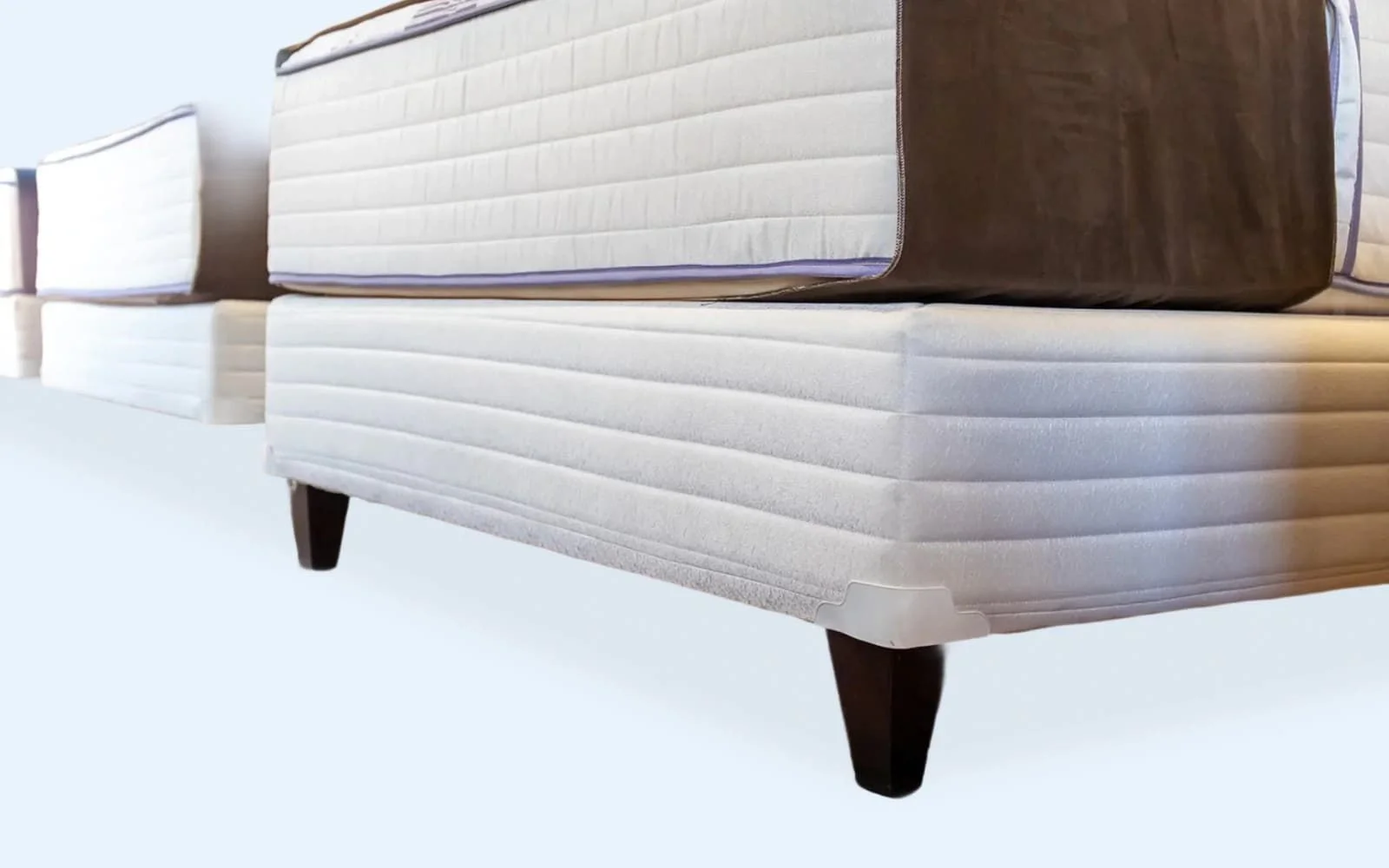
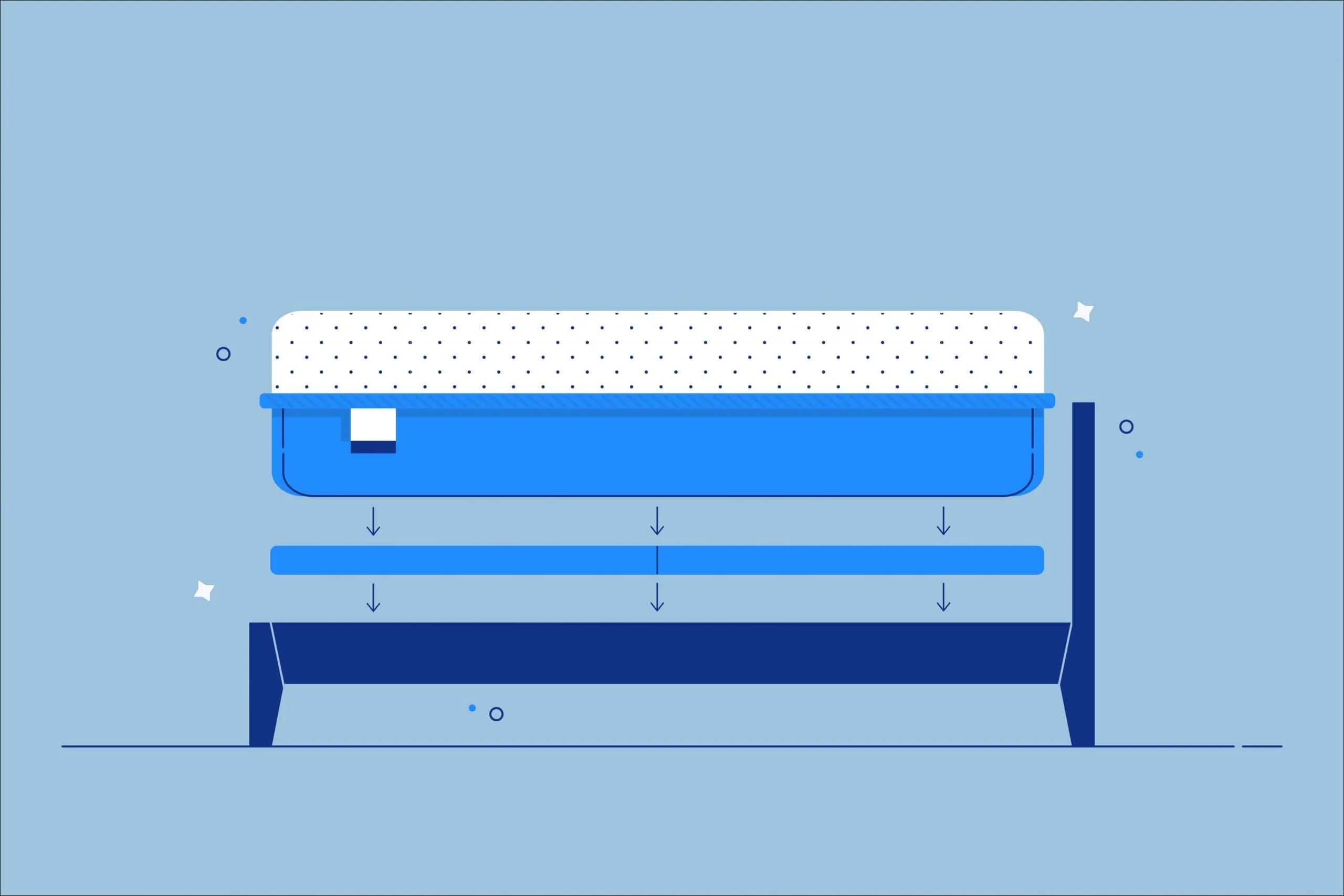
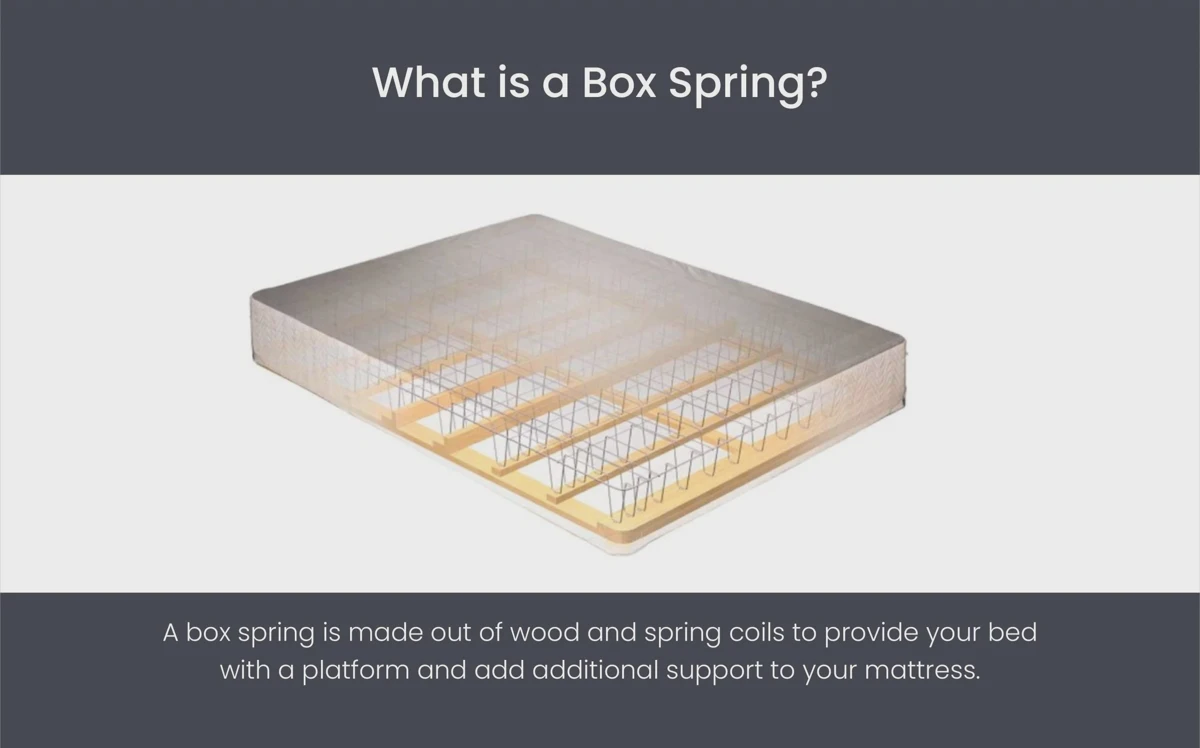
A box spring does three jobs: it raises the mattress, absorbs shock, and provides a flat, supportive surface. Plywood does the third job better than a worn-out box spring and skips the first two. Whether that's a problem depends on your mattress.
Mattresses that pair well with plywood
- Memory foam, latex, and most all-foam mattresses - they're designed for a flat, firm base.
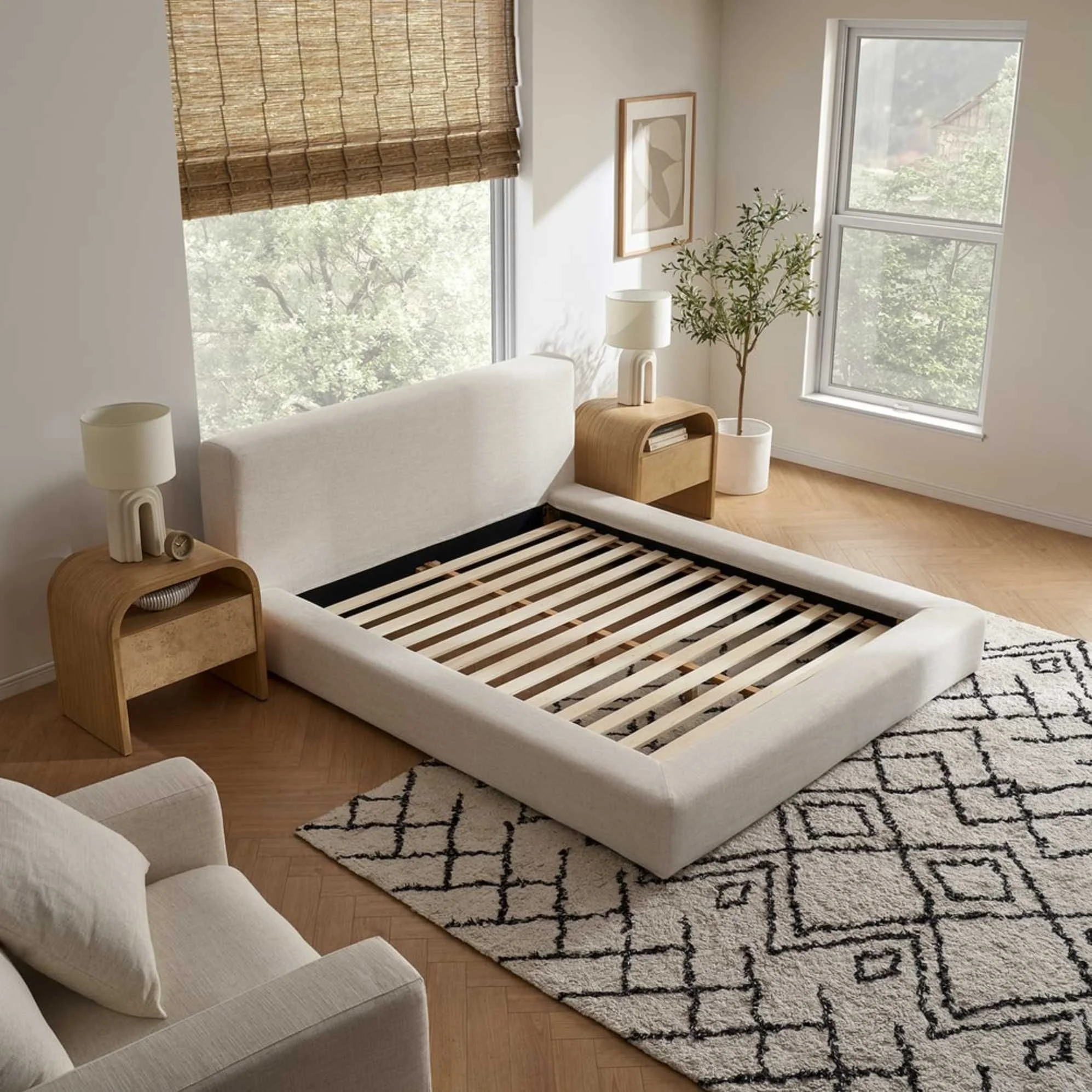
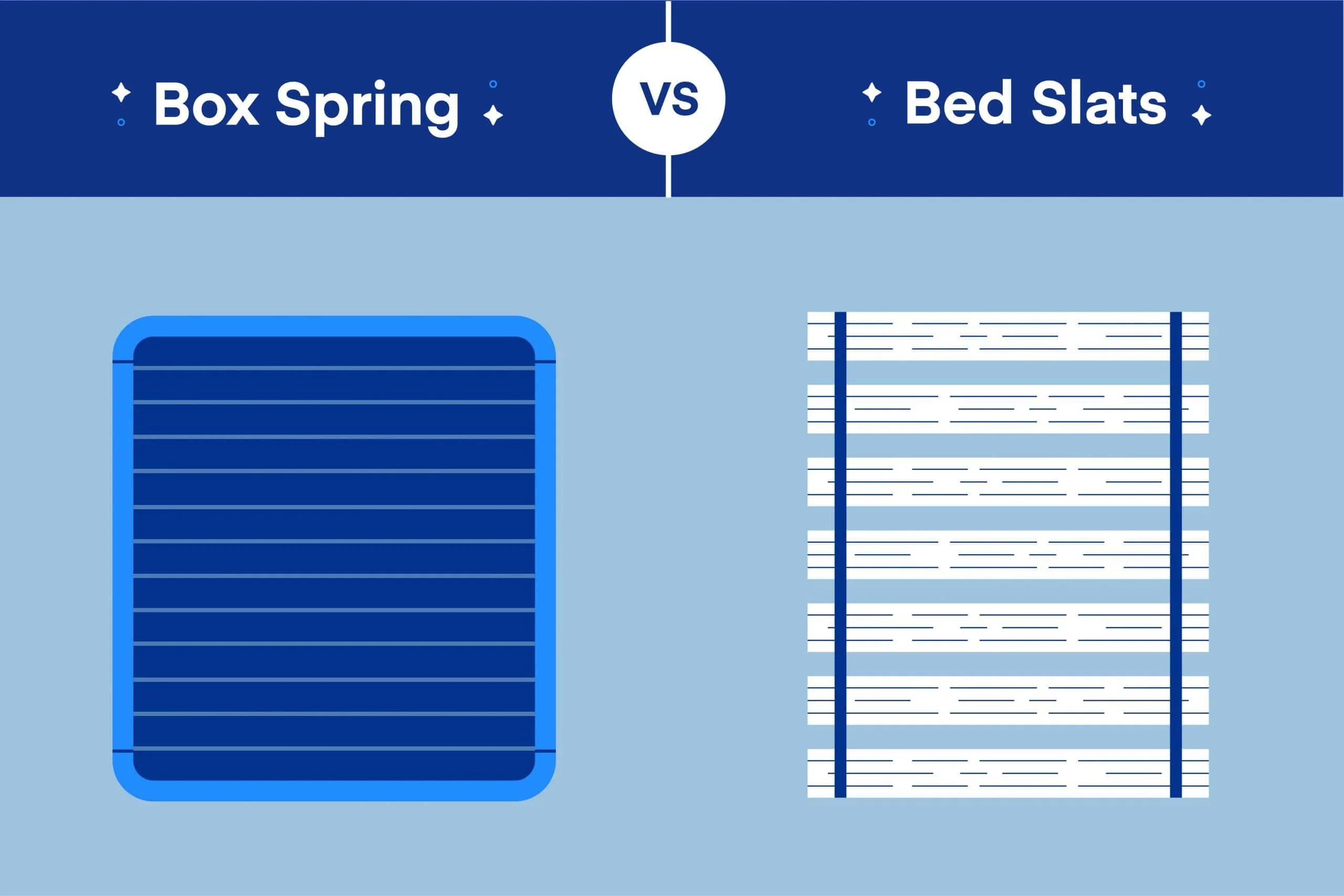
- Hybrids on a slatted frame where the slats are wider than 3 inches apart.
- Older innerspring mattresses with a sagging factory box spring, used as a temporary firm-up.
Mattresses that don't
- New innersprings with a matched box spring - the box spring's coils are calibrated to absorb impact and extend mattress life. Skipping it shortens warranty coverage on most major brands (Saatva, Sealy, Stearns & Foster).
- Pillow-tops that rely on a sprung surface beneath them to compress correctly.
The five rules for doing this right
1. Thickness: 3/4 inch is the floor
Anything thinner than 3/4 inch (19 mm) will flex over time, especially across queen and king widths. For king and California king, step up to 1 inch - sleeper plus mattress easily exceeds 350 lb on a small footprint, and the deflection over an 80-inch span adds up.
2. Cut it to the mattress, not the frame
A queen mattress is 60 by 80 inches. Cut the plywood to those exact dimensions - leaving overhang creates a corner edge that snags sheets and digs into the mattress side panel. Most home centers (Home Depot, Lowe's) cut plywood for free with the purchase.
3. Drill ventilation holes
This is the single biggest mistake. A solid sheet of plywood traps body moisture under a memory-foam or latex mattress, and within months you'll see mildew on the underside. Drill 1-inch holes in a grid - roughly one hole every 8 inches. It's ugly, and you'll never see it. It also keeps the mattress warranty intact for most brands that require "adequate ventilation."
4. Sand and seal the edges
Raw plywood sheds splinters and formaldehyde from the glue layers. Sand all edges with 120-grit, then hit them with a coat of low-VOC polyurethane or wrap them in cloth tape. Skip stains and varnish - VOC off-gassing under a mattress is a real problem.
5. Choose CDX or sanded plywood, not OSB or particleboard
OSB (oriented strand board) is cheaper but flakes under sustained load. Particleboard sags. Look for CDX exterior-grade or 3/4-inch sanded pine plywood. Skip pressure-treated lumber - the chemicals don't belong in your bedroom.
Where plywood wins
- $30-$50 vs. $150-$300 for a new box spring
- Firms up a sagging mattress instantly, often relieving lower-back pain
- Lasts 10+ years if sealed and ventilated
- Bridges wide-set slats on European-style platform beds
- Easy to source - every hardware store stocks it
Where it falls short
- Voids most innerspring and pillow-top warranties unless ventilated
- Adds zero shock absorption - increases wear on coil mattresses
- Heavy and awkward to move (a queen sheet weighs ~50 lb)
- Off-gasses formaldehyde from the glue if unsealed
- Looks unfinished - visible from the side of most bed frames
Plywood vs. the alternatives
If you're shopping the problem rather than already holding a sheet of plywood, three alternatives are usually a better long-term call.
Bunkie board
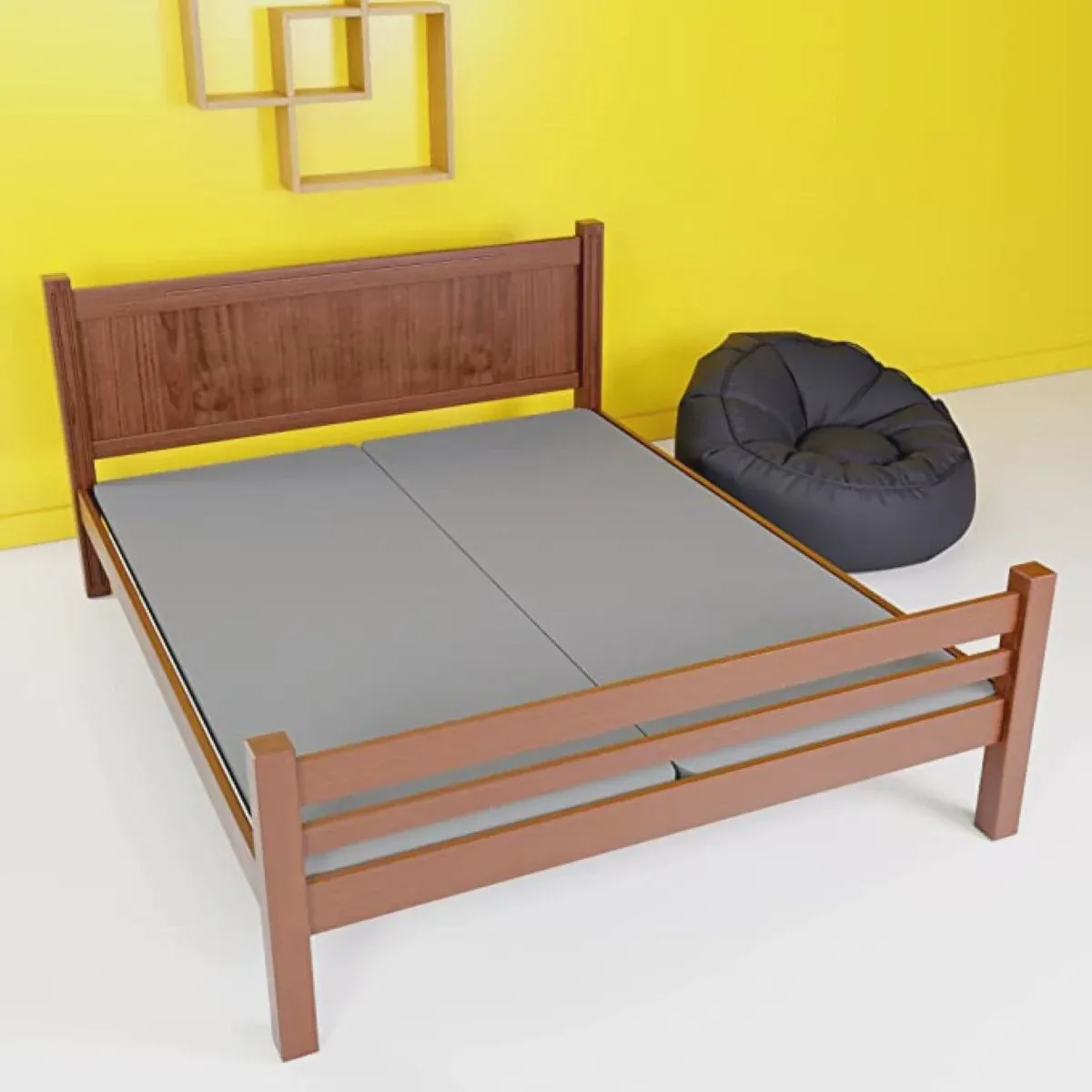
A 1.5-2 inch wood-and-fabric panel built specifically for this job. Pre-ventilated, wrapped in fabric, sized to standard mattress dimensions. Costs $80-$130 and looks finished. For most people the right answer is a bunkie board, not a DIY plywood cut.
Slatted platform foundation
A foldable slatted base ($120-$200) replaces both the box spring and gives you the airflow plywood lacks. Most major mattress brands explicitly warranty their products on slatted platforms with slats no more than 3 inches apart.
Adjustable base
If you have a foam or hybrid mattress and any reflux, snoring, or back-pain issues, a basic adjustable base ($400-$700) eliminates the box spring entirely and adds head/foot articulation. The math gets surprisingly close to a box spring + frame combo at the queen size.
Plywood-under-mattress FAQ
What thickness of plywood do I need for a queen mattress?
3/4 inch (19 mm) is the minimum for queen. Step up to 1 inch for king or California king to prevent center deflection over the longer span.
Will plywood void my mattress warranty?
It can. Most brands (Saatva, Sealy, Tempur-Pedic, Purple) require either a matched foundation or a slatted base with slats no more than 3 inches apart and adequate ventilation. A solid, unventilated plywood sheet often violates the ventilation clause. Drill 1-inch holes on an 8-inch grid and most warranties stay intact - but read your specific warranty before installing.
Can I put plywood on top of a sagging box spring?
Yes, and this is the most common use case. A 1/2 inch sheet on top of a worn box spring redistributes load and adds firmness. It's a temporary fix - if the box spring is sagging structurally, you're 1-2 years from needing to replace both.
Is plywood bad for memory foam mattresses?
Only if it's unventilated. Memory foam needs airflow underneath to avoid trapping moisture. Drilled plywood works fine; a solid sheet will eventually trap mildew.
Plywood or bunkie board - which should I buy?
Buy a bunkie board if you can. It's pre-ventilated, fabric-wrapped, sized correctly, and costs maybe $50 more than a sheet of plywood plus the cuts and sealant. Plywood wins only when you already have a sheet on hand or need a custom non-standard size.
How long does plywood last under a mattress?
Sealed, ventilated, 3/4-inch CDX plywood lasts 10-15 years under normal use. Unsealed plywood under a humid climate can warp or grow mildew within 2-3 years.