Key Takeaways
- White sheets dull because of body oils, sweat, and detergent residue - not visible dirt.
- Wash weekly, use cold or warm water for routine loads, and skip fabric softener.
- Half a cup of baking soda in the drum plus half a cup of white vinegar in the rinse compartment outperforms most whitening boosters.
- Use oxygen bleach (not chlorine) for stubborn yellowing - chlorine eventually causes the yellowing it promises to fix.
- Sun-drying is the cheapest, most effective brightener; just don't bake them all afternoon.
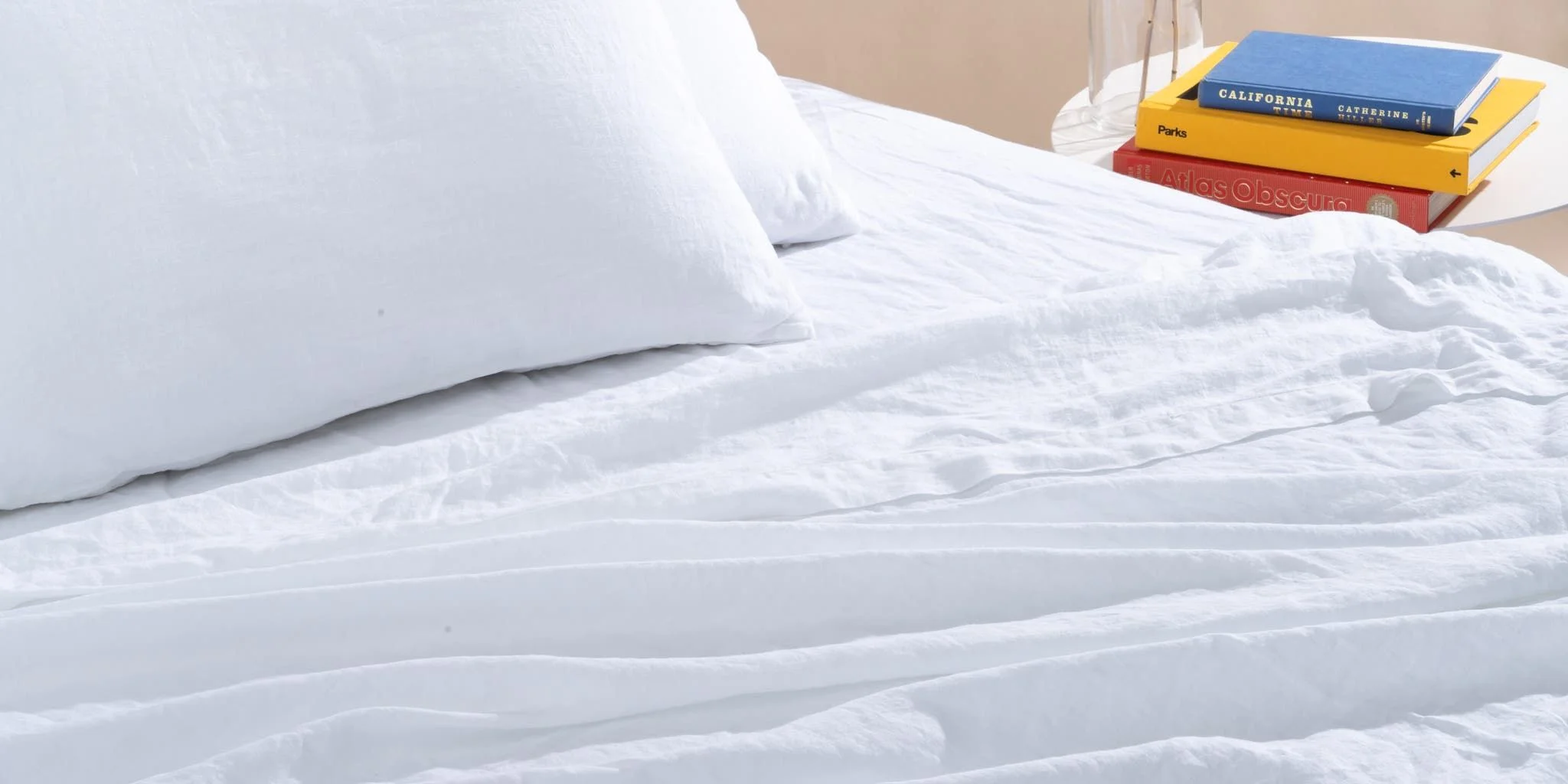
Crisp white sheets are the easiest hotel-grade upgrade you can make at home - and the easiest to ruin. Once they start yellowing or graying, most people throw them out, but the fabric is almost always fine. The problem is buildup, and buildup is fixable.
This guide walks through why white sheets discolor, what actually keeps them bright, recipes for the most effective whitening agents, how hotels do it at scale, and how to tackle stubborn stains without trashing the fabric.
Pair them with darker bedding accents so stains hide between washes - here is the case for a light gray throw blanket.
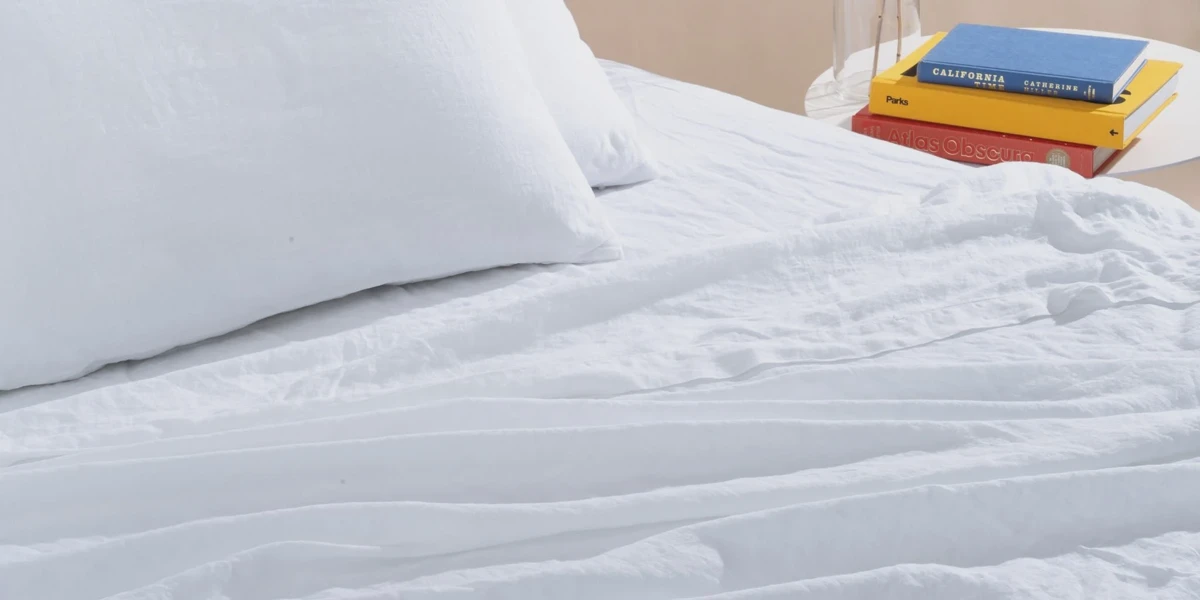
Why White Sheets Turn Yellow or Gray
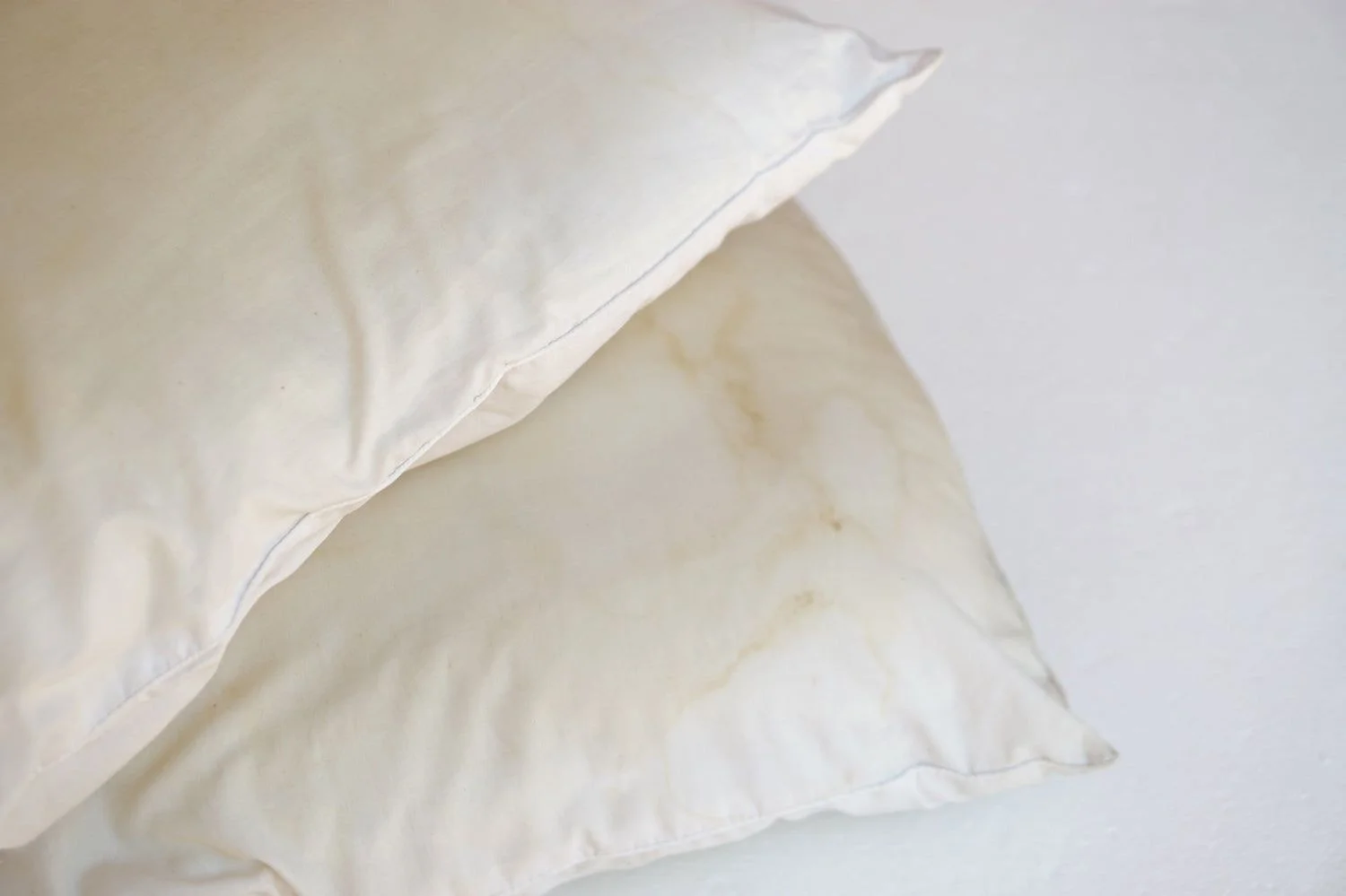
Sheets don't lose their color because they're "dirty" in the obvious sense. They lose brightness because of three accumulating layers: body oils, leftover detergent, and minerals from hard water. That thin film is what reads as dull or yellow.
The five most common culprits
- Body oils and sweat. An average sleeper puts out roughly half a liter of perspiration per night, plus sebum from skin and scalp. These oxidize on cotton fibers and turn yellow over time.
- Skincare and haircare residue. Retinol, benzoyl peroxide, mineral oil, and self-tanner all leave marks that ordinary detergent can't lift on the first pass.
- Too much detergent. Counterintuitively, overdosing detergent leaves a soap film that traps soil. Optical brighteners in the detergent itself can also gray-shift over time.
- Chlorine bleach. Chlorine reacts with protein stains (sweat, skin) to form yellow byproducts. The fix becomes the cause.
- Hard water minerals. Iron and calcium bind to fabric and pull it gray. If your area has hard water, this is usually the dominant factor.
How fabric type changes the equation
- Cotton (percale, sateen). Highly absorbent - holds onto oils, prone to yellowing, but also tolerates oxygen bleach and hot water best. Expect 2-5 years of bright life with care.
- Linen. Breathable but tends to gray, especially with hard water. Skip chlorine bleach entirely; lemon juice or oxygen bleach are safer.
- Microfiber and polyester blends. Resist oil staining but show detergent residue as a gray cast. Wash in warm - not hot - water and skip bleach.
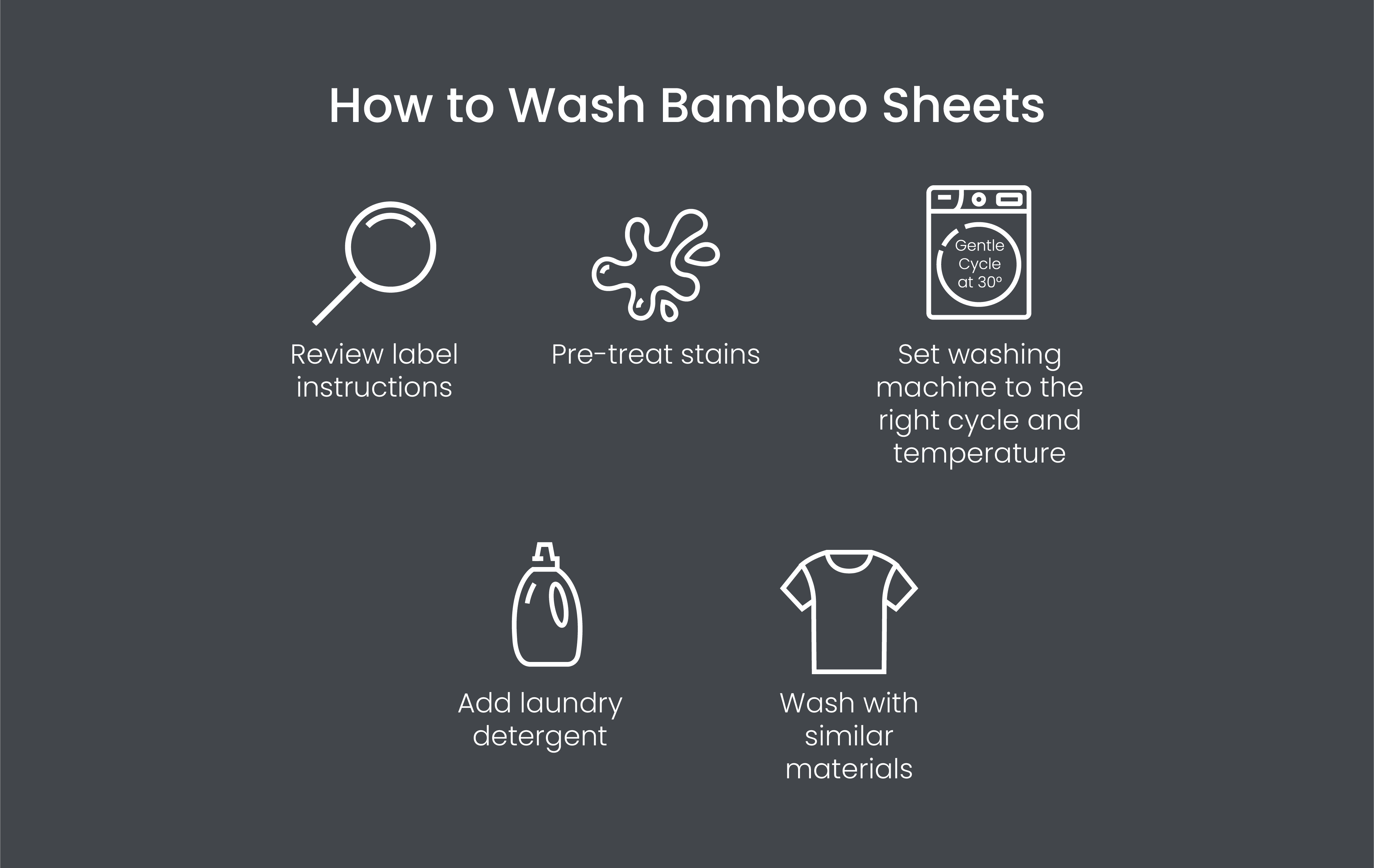
- Bamboo and Tencel. Soft but delicate. Use oxygen bleach sparingly and tumble-dry low; avoid sun-drying for long periods.
The Weekly Routine That Keeps White Sheets White
Most yellowing problems disappear when you fix three things: wash frequency, water temperature, and detergent dose. Skip even one and buildup wins.
1. Wash every 7 days, no exceptions
Once oils set in, every additional wash takes more chemistry to lift them out. Weekly washing is the single highest-leverage habit. In summer or for hot sleepers, every 4-5 days is better. Don't overload - fill the drum no more than three-quarters full so sheets actually agitate.
2. Pick water temperature on purpose
- Warm (105-110°F) is the sweet spot for routine loads - hot enough to dissolve oils, gentle enough to preserve fibers.
- Cold works with modern enzyme detergents and is the right call for protein stains (blood, sweat) on the first pass.
- Hot (130°F+) for sanitizing after illness or for sheets that have gone too long between washes - but use it sparingly. Hot water shortens sheet life.
3. Dose detergent down, not up
Most people use roughly twice the detergent they need. For a single set of sheets, half the recommended amount is plenty - and leaves no soap film. A high-quality liquid detergent without dyes or added fragrance is the cleanest choice. Skip fabric softener entirely; it coats fibers and makes future stains harder to lift.
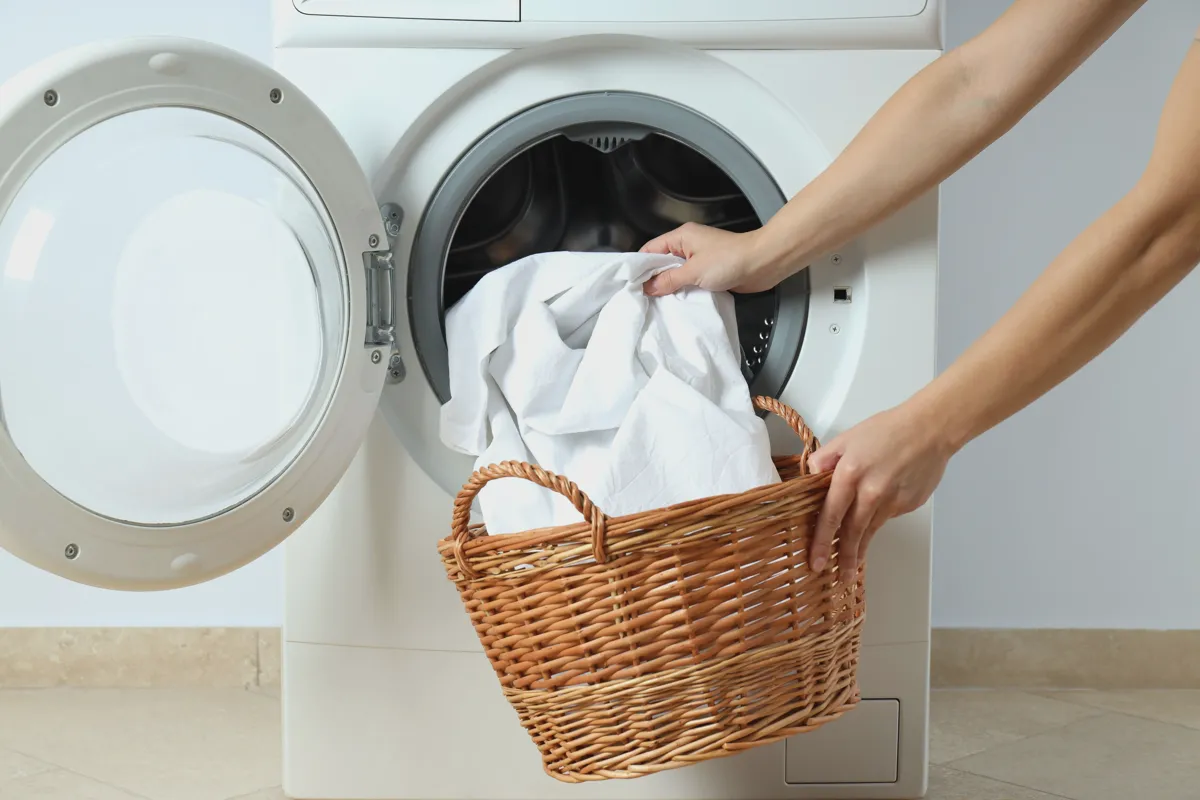
Whitening Agents That Actually Work (With Recipes)
If your sheets are already yellow or gray, plain washing isn't enough. These whitening agents lift buildup at a chemical level. Use one at a time - never mix bleach with vinegar, ammonia, or peroxide.
Baking soda + white vinegar (the workhorse combo)
Add half a cup of baking soda to the empty drum with your sheets. Run a normal wash with half the usual detergent. Pour half a cup of distilled white vinegar into the fabric softener compartment so it releases during the rinse. The baking soda boosts detergent and softens water; the vinegar strips residue and brightens. They never come into contact, so this isn't a dangerous mix - they act in separate cycles.
Oxygen bleach (the chlorine bleach replacement)
Oxygen bleach (sodium percarbonate - the active ingredient in OxiClean and similar) breaks down into hydrogen peroxide and washing soda. It whitens without weakening fibers and won't yellow protein-stained fabric the way chlorine does. For deep cleans, pre-soak yellowed sheets in hot water plus half a cup of oxygen bleach for 4-6 hours, then wash normally.
Hydrogen peroxide (spot-treat and pre-soak)
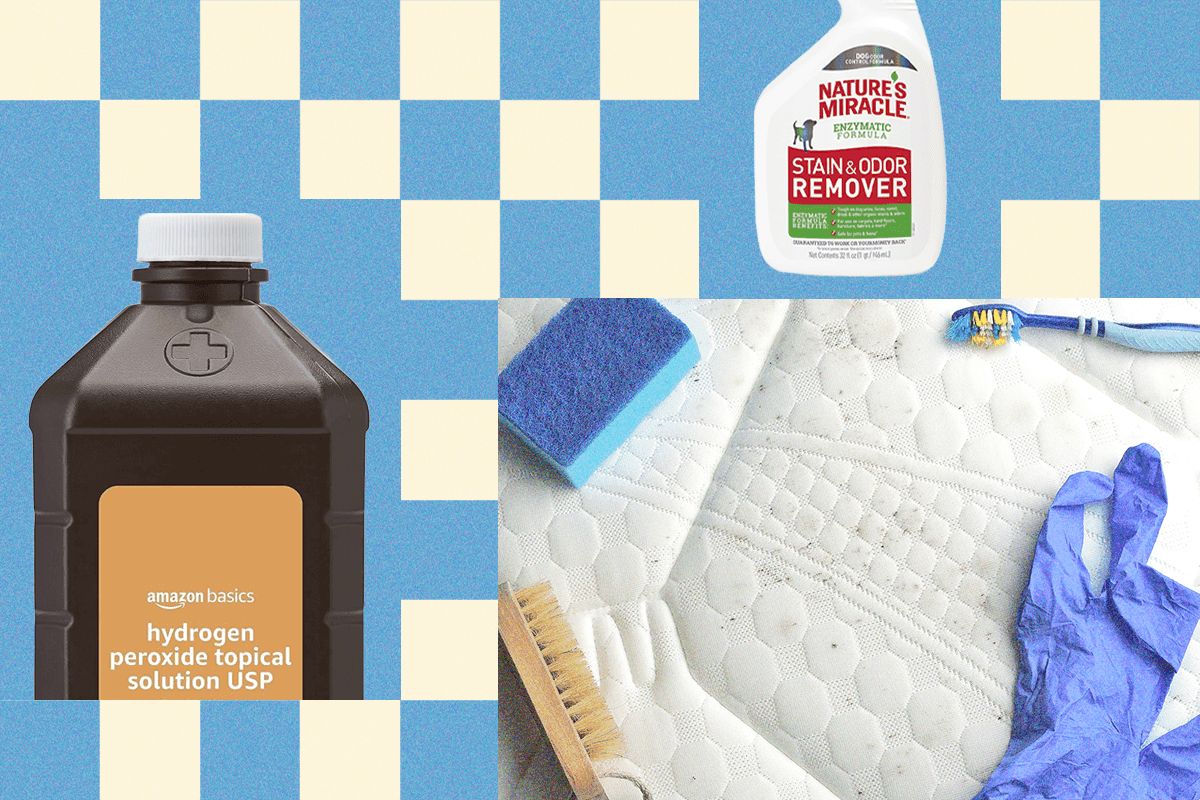
Standard 3% hydrogen peroxide is gentle enough for most fabrics. Add one cup directly to the bleach dispenser, or pre-treat individual yellow patches by dabbing peroxide on, waiting 10 minutes, then washing.
Liquid bluing (the hotel trick)
Liquid bluing is an ultra-fine blue pigment suspended in water. It optically cancels yellow without stripping or bleaching anything. Dilute one teaspoon in a quart of water first, then add to the rinse cycle - never pour straight onto fabric or you'll get blue spots.
Lemon juice (best for linen and small jobs)
Citric acid lifts yellowing and is mild enough for linen. Dissolve half a cup of lemon juice in a gallon of hot water, soak sheets overnight, then wash. Sun-dry the next day for a multiplier effect.
Borax (for hard-water households)
If your gray sheets read more iron-stained than oil-stained, borax is the targeted fix. Add half a cup to the wash drum along with detergent. It softens hard water and boosts cleaning power without bleaching.
Why chlorine bleach is the wrong default
Chlorine bleach is harsh on cotton and useless on synthetics - it weakens fibers, causes premature wear, and chemically reacts with protein stains to form yellow compounds. Used once on a brand-new white sheet, it's fine. Used routinely, it's the single fastest way to ruin white sheets while believing you're saving them.
Drying: The Step Most People Get Wrong
- Sun-dry when you can. UV is a natural bleaching agent and deodorizer. An hour or two of direct sun on a clothesline is the cheapest whitener that exists. Bring sheets in before they bake all day - extended UV weakens fibers.
- If you tumble-dry, use low to medium heat. High heat sets stains, shrinks fibers, and dulls cotton. Pull sheets out while still slightly damp to skip the wrinkles.
- Never store damp. Even slight moisture leads to mildew and gray spots. Fold sheets only when they're fully dry, and store in a breathable bag - not plastic.
Stubborn Stains: A Targeted Spot-Treatment Guide
The right pre-treatment matters more than the wash itself. Hit fresh stains within minutes when possible - protein stains in particular set fast and become much harder to remove once dried.
- Blood. Rinse from the back with cold water immediately. Apply 3% hydrogen peroxide directly to the stain, let it fizz for two minutes, blot, then wash cold. Hot water sets blood permanently.
- Coffee or tea. Blot with cold water, then apply a 1:1 mix of liquid detergent and white vinegar. Wait 10 minutes, rinse, wash warm.
- Red wine. Blot - never rub. Cover the stain in salt to absorb pigment, wait five minutes, brush off. Apply a mix of one tablespoon dish soap and one tablespoon hydrogen peroxide; let sit 30 minutes; wash.
- Chocolate. Scrape excess gently. Run cold water through the back of the stain. Apply dish soap, rub gently, wash warm.
- Sweat and yellowed armpit areas. Make a paste of baking soda, hydrogen peroxide, and a drop of dish soap. Apply, wait one hour, wash warm.
- Oils and lotion residue. Apply a small amount of dish soap (which is built to cut grease) directly to the stain, work it in with your fingers, and let sit 15 minutes before washing warm.
- Mud and dirt. Let it dry first - wet mud spreads. Brush off the dried crust, apply liquid detergent to the stain, wash warm.
A note on care labels: always check yours before applying any whitening agent. Some bamboo, modal, and Tencel sheets are explicitly incompatible with peroxide or oxygen bleach.
If you own bamboo sheets how to wash them properly is a slightly different story - lower temperatures and gentler detergents keep the fibers from yellowing.
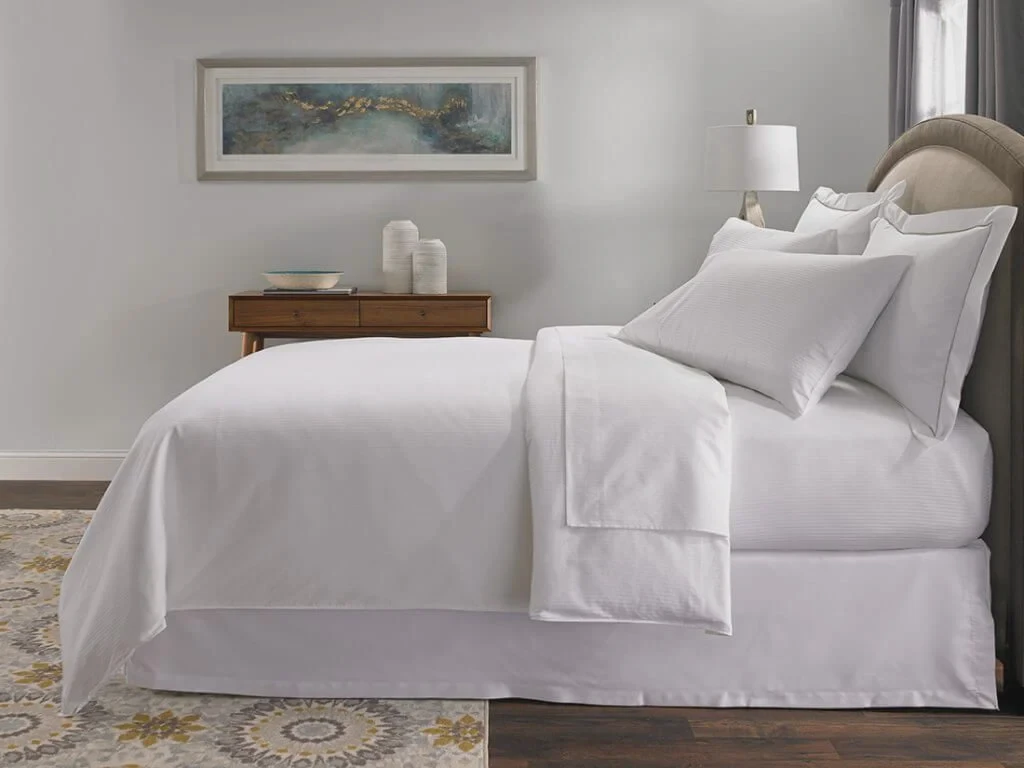
How Hotels Actually Keep Their Sheets White
Hotel laundries don't have a magic ingredient - they have a process. Most run a three-stage cycle: detergent wash, peroxide booster cycle, and a controlled rinse. They favor warm water over hot for daily-use linens because it's gentler on the fiber and cheaper to run at scale. Big chains use peroxide-based commercial detergents specifically formulated to prevent linen graying, and they replace sheets on a strict rotation rather than running one set into the ground.
What home users can borrow:
- Add an extra rinse cycle to ensure all detergent flushes out.
- Use oxygen bleach (peroxide-based) instead of chlorine, every wash if needed.
- Rotate two or three sets of sheets so any one set isn't washed to death.
- Iron sheets when they come off the line - heat plus pressure tightens fibers and gives that crisp hotel look.
Habits That Prevent Yellowing in the First Place
- Shower or wash your face before bed - sebum and product residue are the #1 cause of yellow pillowcases.
- Don't apply lotion, oil, or self-tanner immediately before getting into bed.
- Use a mattress protector - it absorbs sweat that would otherwise pass through to your sheets and the mattress itself.
- Don't eat in bed, full stop.
- Wash whites separately from anything else, even pale grays. One stray colored sock and your set is no longer white.
- Treat spills the moment they happen; don't sleep on them and hope the wash will fix it.
Frequently Asked Questions
How often should I wash white sheets?
Once a week is the sweet spot - frequent enough that body oils and sweat don't have time to oxidize on the fibers, but not so often that you wear the fabric out. Hot sleepers, summer months, or anyone using nighttime skincare should consider every 4-5 days.
Can I use chlorine bleach on white sheets?
You can, but it's the wrong default. Chlorine bleach reacts with protein stains (sweat, skin oils) to create yellow byproducts, and it weakens cotton fibers over time. Oxygen bleach (sodium percarbonate) gives you the same brightening without the long-term damage.
Why are my white sheets turning yellow even after washing?
Three usual suspects: too much detergent leaving a soap film, hard water minerals binding to the fibers, or chlorine bleach reacting with body oils. Try halving your detergent, adding a vinegar rinse, and switching from chlorine to oxygen bleach for a month.
Does sun-drying really whiten sheets?
Yes - UV is a genuine bleaching agent. An hour or two outside is enough to lift mild yellowing. Don't leave sheets out for a full day in strong sun, though; extended UV exposure weakens cotton fibers.
What's the single best whitening method for badly yellowed sheets?
Pre-soak in hot water plus half a cup of oxygen bleach for 4-6 hours, then run a normal wash with detergent and a half-cup of baking soda, with a vinegar rinse. Sun-dry if possible. Most yellowing lifts in one cycle this way.
Should I iron my white sheets?
Not strictly necessary, but ironing flattens the fibers and gives sheets the crisp hotel look that makes white feel whiter. If you do, iron while slightly damp on a medium-hot setting.