Throwing sheets and towels into the washer together looks like a time-saver, but the two fabrics fight each other through the entire cycle. Sheets are thin, smooth, and dry quickly. Towels are thick, abrasive, lint-shedding, and need hot water plus a long tumble. Run them in one load and you get linty sheets, damp towels, or both.
Here is the practical answer most laundry blogs skip over: it is fine to combine them in a small, color-matched, like-fabric load if you have a roomy machine - but separating them gives you cleaner, longer-lasting linens almost every time.
Short answer: should you wash bed sheets with towels?
No, not as a default. The fabrics behave too differently in the wash and the dryer. Towels shed lint that clings to sheet fibers, they need hotter water and longer drying than sheets, and their bulk crowds the drum so neither item rinses well.
When it is acceptable to combine them: small load, large-capacity machine, similar colors, similar fiber (cotton sheets with cotton towels), and a warm-water cycle that splits the difference.
Why the two loads do not mix well
Five problems show up every time you mix sheets and towels:
- Lint transfer. Cotton terry towels are lint givers; smooth percale or sateen sheets are lint takers. After a few mixed cycles, sheets feel rougher and look fuzzy.
- Drying time mismatch. A queen sheet set is dry in 25-35 minutes. Bath towels often need 60-75 minutes. Run them together and either the sheets over-dry and weaken, or the towels stay damp and start to smell musty.
- Water-temperature conflict. Towels work best in hot water (130 F+) to lift body oils and bacteria. Most modern sheets - especially percale, microfiber, and bamboo - last longer in warm or cold water.
- Mechanical action. Heavy wet towels twist around fitted-sheet elastic and trap smaller items inside the pocket. Nothing in that bundle gets cleaned properly.
- Hygiene. Bath towels carry skin cells, body oils, and bathroom bacteria. Mixing them with the bedding you sleep against undoes the point of changing sheets.
Fabric-care matrix: sheets vs. towels
Quick reference - if any two of these items disagree on water temperature or dry time, run them as separate loads.
- Cotton percale or sateen sheets. Warm wash (90-105 F), normal cycle, standard mild detergent, low-medium dry, remove promptly.
- Linen sheets. Cold to lukewarm, delicate cycle, mild detergent, no bleach, line dry or low tumble.
- Microfiber sheets. Warm, permanent-press cycle, standard detergent, no fabric softener, low heat dry.
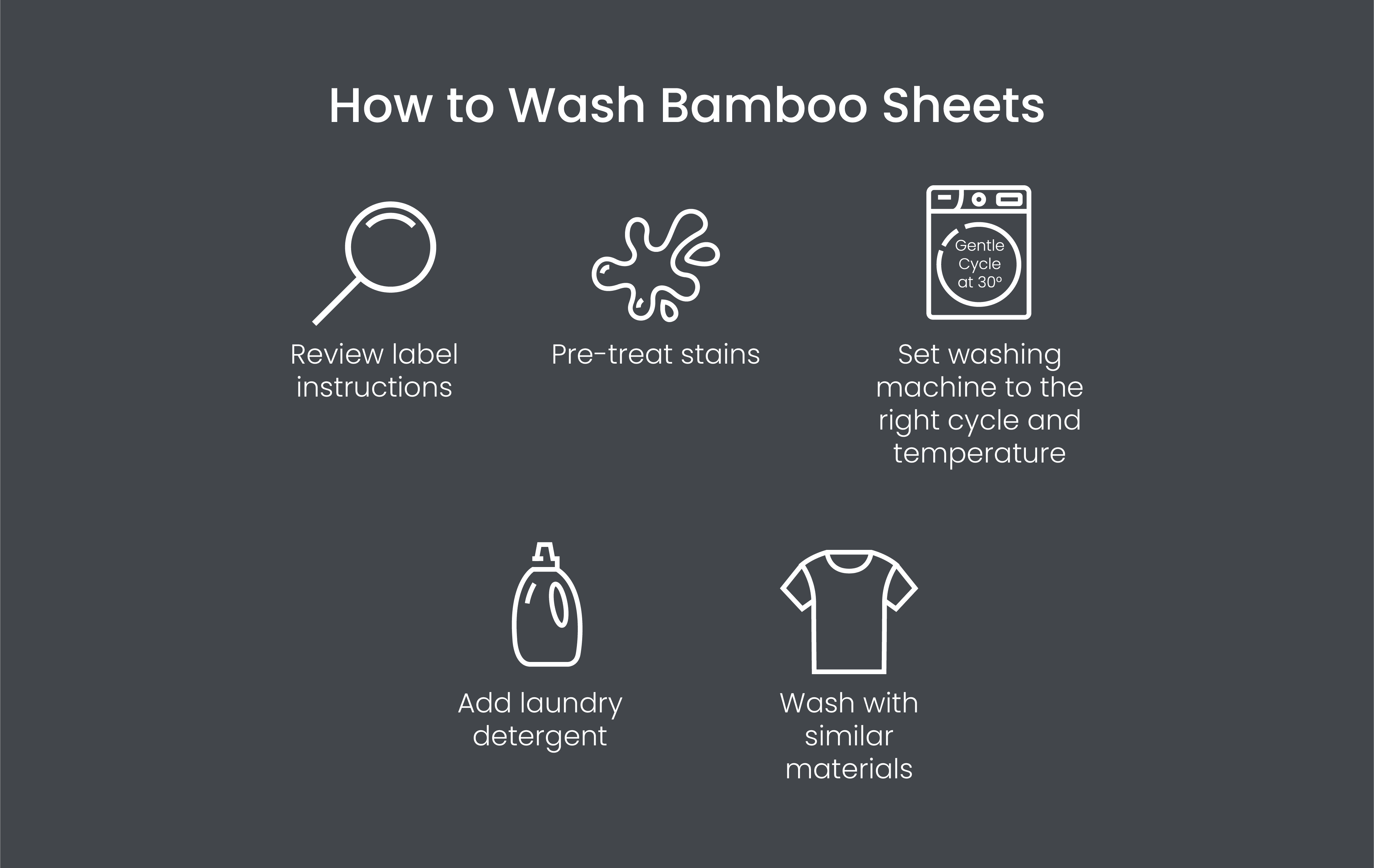
- Bamboo or Tencel sheets. Cold, delicate cycle, mild detergent, no bleach, low heat or air dry.
- Cotton bath towels. Hot wash (130 F+), heavy-duty cycle, standard detergent with optional oxygen booster, medium-high dry until fully dry.
- White towels. Hot, heavy-duty cycle, detergent plus oxygen bleach, medium-high dry.
When combining is actually fine
There are real cases where one load is reasonable. Use this checklist - all five must be true:
- Capacity. Front-loader 7 kg+ or top-loader equivalent, less than 3/4 full when wet.
- Color match. Both items are the same color family (whites with whites, darks with darks). No new towels with white sheets - towels bleed for the first 5-10 washes.
- Fiber match. Cotton sheets with cotton towels. Skip if you have linen, silk, bamboo, or microfiber bedding.
- Temperature compromise. Warm wash, not hot. You lose some bacterial kill on the towels; you gain longer sheet life.
- Drying plan. Pull sheets out 25 minutes in, finish towels separately. This is the step most people skip - and the one that actually protects the sheets.
If any item on that list is no, run two loads.
Detergent and temperature recommendations
- Detergent volume. Use the line marked for a medium load, not max. Excess detergent leaves residue on sheets and makes towels less absorbent.
- Skip fabric softener on towels. It coats the fibers and kills absorbency. On sheets it is optional - most people prefer the feel without it after a few washes.
- Vinegar rinse for towels (optional). Half a cup of distilled white vinegar in the rinse cycle every fourth wash strips detergent buildup and restores fluffiness. Do not use on linen or silk sheets.
- Oxygen bleach for whites. Safer than chlorine bleach on both sheets and white towels. Chlorine weakens cotton fibers over time.
- Wash temperature. When in doubt, warm. Hot only when an item has been sick-bedded or the towels are visibly soiled.
What to wash separately, no exceptions
- New towels (first 3-5 washes - they shed and bleed).
- Anything contaminated by illness, blood, or vomit (hot wash, separate).
- Microfiber or bamboo sheets (they are lint magnets).
- Anything with a "wash separately" tag - usually new dyes that have not set yet.
Frequently asked questions
Can I dry bed sheets and towels together?
Drying is the worst part of a combined load. Sheets dry in roughly half the time of towels - when you wait for the towels, the sheets bake. Best practice is to pull sheets out at the 25 to 30 minute mark and finish the towels on a longer cycle.
What temperature should I wash sheets and towels at if I have to combine them?
Warm, around 90 to 105 F. Hot is too aggressive for most sheets; cold leaves towel bacteria and oils behind. Warm is the compromise - not optimal for either, but acceptable.
Do towels really shed lint onto sheets?
Yes, especially cotton terry. The lint is tiny loose fibers from the loop pile. Smooth-weave percale and sateen sheets pick it up immediately and it is hard to brush off once dried in.
Should I separate sheets and pillowcases too?
No. Pillowcases match sheets in fabric and weight - wash them together. The break is between sheets (thin, smooth, fast-dry) and towels (thick, absorbent, slow-dry).
How often should I wash sheets and towels?
Sheets every 1 to 2 weeks. Bath towels every 3 to 4 uses. Hand and kitchen towels every 1 to 2 days. Pillowcases sometimes more often than the rest of the sheet set if you use skincare products at night.
The bottom line
Wash sheets and towels separately whenever you can. The extra cycle costs about 60 cents in water and electricity and adds maybe 40 minutes - and it protects bedding that probably cost you several hundred dollars. If you do combine them, treat it as the exception: warm water, matched colors and fibers, a roomy machine, and pull the sheets out of the dryer first.
For more on getting your bedding clean and bright, see our guides on how to wash linen and how to keep white sheets white.