Buying a mattress in 2026 means wading through an industry where 100 of every 300 models tested at Consumer Reports get a "recommended" stamp, where NapLab has run 43 data points across 400+ beds, and where Sleep Foundation has rated more than 1,900 mattresses to date. The volume is the problem. This guide pulls the verdicts from the four review operations shoppers actually trust, lines them up brand by brand, and tells you which lab's methodology to weight when your sleeping situation does not match the lab's headline pick.
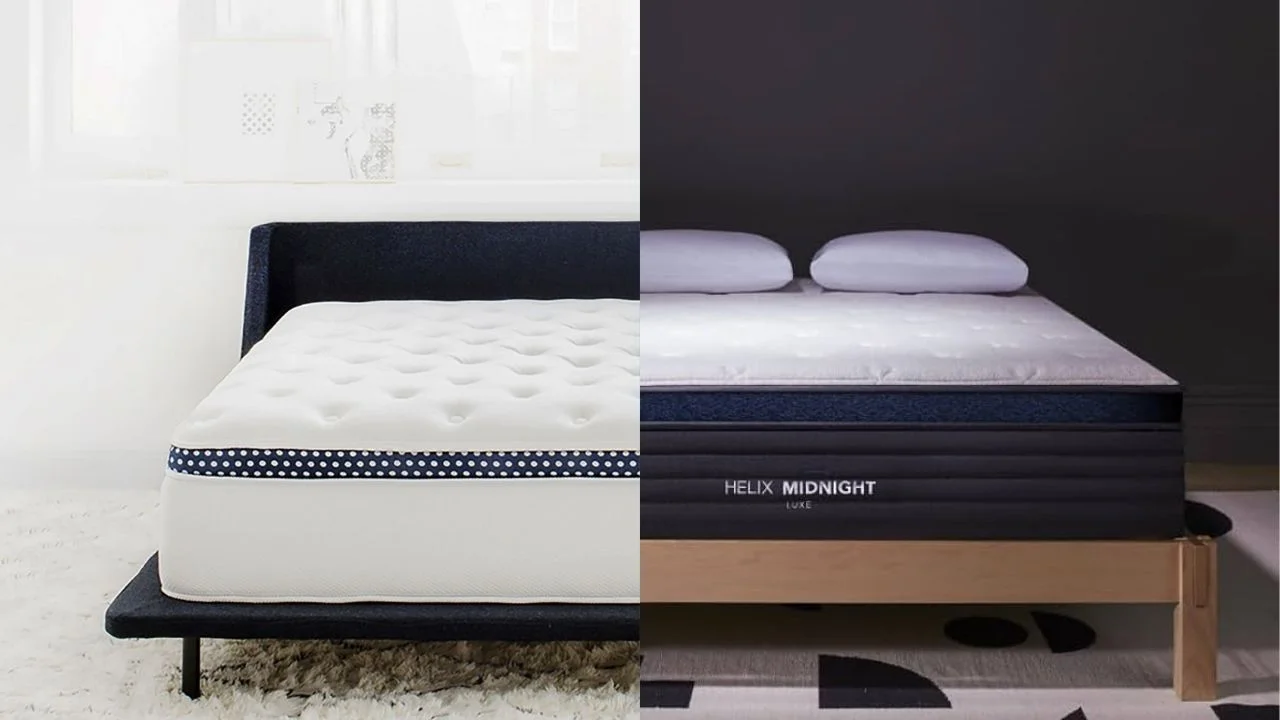
The names below are the brands these labs have publicly endorsed in 2026, plus the brand-direct profiles Bob Vila's editors compiled. If you want a strict ranking, jump to the comparison table. If you want context on why one lab picks WinkBed and another picks Helix Midnight Luxe for the same use case, start at the top.
How the major review labs test mattresses
Four operations dominate independent mattress testing in 2026, and their methodologies barely overlap.
Consumer Reports runs the most physical battery. CR evaluates sleeper support, firmness level, stabilization level, and durability. Motion isolation is quantified with a 38.5-pound weight drop. Durability uses a 300-plus-pound wood roller passed across the surface 30,000 times, a punishment cycle CR equates to eight to ten years of typical use. The recommendations feed off survey data drawn from nearly 67,000 mattress owners.
NapLab runs the most data points per bed. Each mattress is scored on cooling performance, motion transfer (in m/s² acceleration), response time (seconds to recover), edge support (sinkage depth in inches), sex performance, pressure relief, off-gassing intensity and duration, and company reputation. Non-scoring observations include sinkage feel, bounce, foam density, and coil gauge. The published number is 43 data points across 400+ tested mattresses from 102 brands. NapLab explicitly avoids duplicate brand mentions across categories so that more high-performing models surface.
Sleep Foundation uses six testing pillars: sleeper ratings, motion isolation, pressure relief, temperature control, edge support, and ease of movement. The pipeline screens 1,000+ models down to a top 100, then 25 final contenders. Inclusion thresholds are an 8.0+ overall rating, Seattle test-lab approval, competitive pricing, and reliable customer service. The team logs 100,000+ user reviews and brings 50+ years of combined experience. Medical sign-off comes from Dr. Lulu Guo, MD (Family and Sleep Medicine, double board-certified).
Bob Vila's editors focus on brand-level profiles rather than per-mattress scoring. Their 2026 list profiles 18 brands chosen on multiple firmness levels, multiple sizes, eco-friendly options, specialized cooling foams, kids' mattresses, bed-in-a-box delivery, and double-sided hybrids.
Use Consumer Reports if you weight durability and long-term ownership data. Use NapLab if you weight cooling, motion isolation, and edge support numbers. Use Sleep Foundation if you weight category fit (back pain, side sleeper, couples) and medical review. Use Bob Vila if you want to compare brand stories before drilling into a model.
The 2026 top picks across leading labs
Three of the four labs publish a category-by-category list. Here is where their picks line up and where they diverge.
| Category | NapLab pick | Sleep Foundation pick | Consumer Reports pick |
|---|---|---|---|
| Best overall | WinkBed | Helix Midnight Luxe (9.7/10) | Beautyrest Core Collection Plush Hybrid |
| Best hybrid | Leesa Sapira | Leesa Sapira Chill Hybrid (9.0/10) | Beautyrest Black Series Three Hybrid |
| Best for side sleepers | Saatva Classic | Nolah Evolution 15 | (not categorized) |
| Best for back pain | Brooklyn Bedding Aurora Luxe | Bear Elite Hybrid (8.5/10) | (not categorized) |
| Best cooling | Helix Midnight Luxe | Brooklyn Bedding Aurora Luxe (8.7/10) | (not categorized) |
| Best memory foam | Glacier Apex | n/a | Serta Perfect Sleeper Pro Level Three |
| Best value | n/a | Nectar Classic (8.7/10) | (not categorized) |
| Best luxury | n/a | Saatva Classic (9.5/10) | (not categorized) |
| Best firm | Plank | Plank Firm Luxe | n/a |
| Best for heavy people | Helix Plus Elite | n/a | n/a |
| Best natural / organic | Saatva Latex Hybrid | Birch Mattress | n/a |
| Best soft | Bear Elite Hybrid | n/a | n/a |
| Best for combination sleepers | n/a | Layla Hybrid | n/a |
| Best for couples | n/a | DLX Premier Hybrid | n/a |
| Best latex | n/a | Awara Natural Luxury Hybrid | n/a |
| Best adjustable air | n/a | n/a | (Sleep Number Climate360 segment) |
The most obvious divergence is "best overall." NapLab's WinkBed pick is grounded in 43-point scoring across all sleep positions. Sleep Foundation's Helix Midnight Luxe pick reflects its category coverage logic, where a 9.7 rating leads the database. Consumer Reports does not run a single "best overall" award; CR groups by mattress type and lets the Beautyrest Core Collection Plush Hybrid lead the innerspring tier.
Brand profiles: the heavy hitters
Bob Vila's 2026 editor list profiles 18 brands. The summaries below mirror that structure: one paragraph per brand, then a short bullet of distinguishing features pulled from the same reference.
Saatva
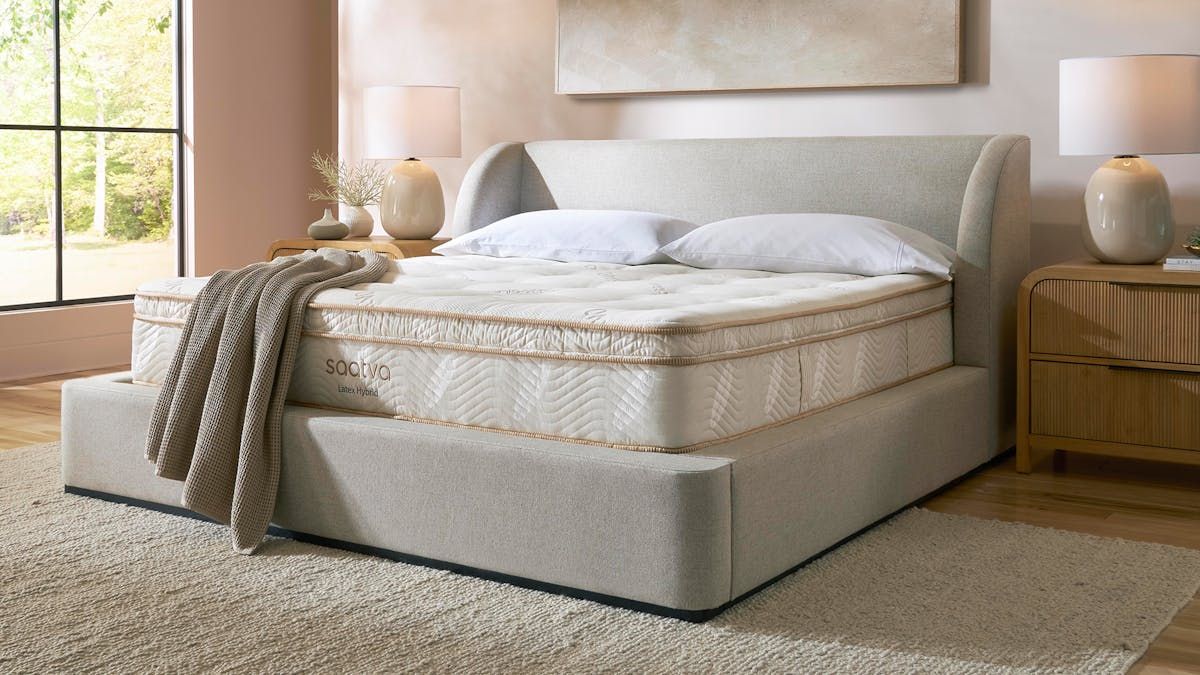
Luxury, U.S.-handcrafted construction. The Classic and the Latex Hybrid are the flagship lines. Saatva uses organic cotton, CertiPUR-US foams, and a lumbar-zone reinforcement built into the support layer. Buyers choose between 11.5-inch and 14.5-inch heights.
- Construction: organic cotton cover, CertiPUR-US foams, lumbar zone
- Heights: 11.5 inches or 14.5 inches
- Both NapLab and Sleep Foundation rank the Saatva Classic for side sleepers and luxury, respectively
DreamCloud
A premium hybrid sold at accessible prices. The Luxury Hybrid and Premier lines pair gel memory foam with coils and a cashmere-blend Euro top. DreamCloud's headline policy is a 365-night trial, free delivery, and free returns.
- 365-night home trial
- Gel memory foam over coils, cashmere-blend Euro top
- Free delivery and returns
Shoppers torn between the two sister brands can read our full DreamCloud versus Nectar comparison.
Casper
Casper's pitch is supportive cooling. The One and Sleep Element lead the lineup, both built around breathable open-cell foam and the brand's AirScape perforation system. Trials run 100 nights, and the broader range extends to Element, Original, and Wave Hybrid models.
- AirScape perforated foam for airflow
- 100-night trial
- Range covers Element, Original, and Wave Hybrid
Nectar Sleep
Premium-at-budget positioning. The Premier Memory Foam and Classic Hybrid use adaptive foam with motion suppression and a cooling cover. Nectar's policy is one of the most aggressive in the category: 365-night trial plus a forever warranty, free shipping and returns. Nectar mattresses are stocked in 2,000+ retail stores.
- 365-night trial plus forever warranty
- Free shipping and returns
- Available in 2,000+ retail stores
Sleep Number
Adjustable air for couples. The ComfortMode and Climate360 are the headliners. Climate360 supports per-side firmness 0 to 100 and per-side temperature control of plus or minus 15 degrees Fahrenheit, along with built-in sleep tracking.
- Per-side firmness 0 to 100
- Per-side temperature control of plus or minus 15 degrees Fahrenheit
- Built-in sleep tracking
Purple
Pressure relief plus cooling. The Restore Hybrid and the original Purple Mattress are built on the Hyper-Elastic Polymer GelFlex Grid, a material whose origins trace back to 1989 wheelchair-pressure-sore cushioning research.
- Hyper-Elastic Polymer GelFlex Grid surface
- Hybrid and all-foam configurations
- Brand history rooted in pressure-relief medical applications
Tuft and Needle
Simplified online shopping. The Mint and Original lines use Adaptive Foam plus T and N Flex and Release layers. The trial is 100 days, and returns are routed to charity donation rather than landfill.
- Adaptive Foam construction
- 100-day trial with charity-donation return policy
- Mint and Original models
Leesa
Eco-focused and socially branded. The Sapira Hybrid and Original are the flagship models. Leesa donates one mattress per ten sold, runs a 100-day risk-free trial, and is also sold through West Elm, Pottery Barn, and Macy's outlets.
- One donated per ten sold
- 100-day risk-free trial
- Retail presence in West Elm, Pottery Barn, Macy's
Nolah
Cooling without memory foam. The Evolution 15-Inch and Signature 12-Inch use proprietary Nolah AirFoam, marketed as temperature-neutral. Trial period is 120 nights.
- Nolah AirFoam, temperature-neutral
- Evolution 15-Inch and Signature 12-Inch
- 120-night trial
Brooklyn Bedding
Responsive hybrid value. The Signature Hybrid and Chill Memory Foam are Arizona-made. Trial is 120 nights, and Sleep Foundation rates the Aurora Luxe at 8.7/10 for cooling.
- Arizona-made hybrids
- 120-night trial
- Aurora Luxe rated 8.7/10 cooling by Sleep Foundation
Beautyrest by Simmons
Luxury pocket-coil construction. The Black Hybrid XCS and Signature use triple-stranded pocket coils, in the 800 to 1,000-plus count range, and the BlackICE Max cover claims a 30 percent cooling boost.
- Triple-stranded pocket coils, 800 to 1,000+
- BlackICE Max cover, claimed plus-30 percent cooling
- Consumer Reports' top innerspring pick (Core Collection Plush Hybrid)
WinkBeds
Back-pain and luxury handmade. The WinkBed and GravityLux lead the line. The brand markets decompressing spine support, and the trial runs 120 nights. NapLab ranks the WinkBed number one overall for 2026.
- Decompressing spine support
- 120-night trial
- NapLab's number-one overall pick
Helix
Direct-to-consumer hybrids tuned by body type. The Midnight Luxe and Plus Elite anchor the lineup. Plus Elite targets plus-sized and tall sleepers with five foam layers, microcoils, and thick-gauge support coils.
- Body-type-matched hybrids
- Plus Elite for plus-sized and tall sleepers
- Sleep Foundation's overall winner at 9.7/10 (Midnight Luxe)
Layla Sleep
Flippable soft-and-firm dual-sided design. Memory Foam and Sleep Hybrid Foam are the flagship models. Layla uses copper-infused foam and tri-zone airflow, and returns are donated to charity. Trial is 120 nights.
- Flippable dual-firmness design
- Copper-infused foam, tri-zone airflow
- 120-night trial; returns donated
Avocado Mattress
Organic-first construction. The Green Mattress and Vegan Mattress are 100 percent certified organic and handmade in Los Angeles. Avocado publishes full latex-to-manufacture transparency.
- 100 percent certified organic
- Handmade in Los Angeles
- Full supply-chain transparency
Sealy
Budget hot-sleeper focus. The Cocoon Chill Memory Foam and Posturepedic Elite use a cool-to-touch cover and a Posturepedic center-third reinforcement. Sealy's first Perfect Sleeper shipped in 1931.
- Cocoon Chill cool-to-touch cover
- Posturepedic center-third reinforcement
- First Perfect Sleeper released 1931
Serta
Established brand standards. The Perfect Sleeper Pro line uses five-zone spinal alignment with CertiPUR-US foams. Serta was founded in 1931.
- Five-zone spinal alignment
- CertiPUR-US foams
- Founded 1931
Tempur-Pedic
Pain relief plus hypoallergenic positioning. TEMPUR-LUXEbreeze and Proadapt 12-Inch Firm are the flagship models, built around viscoelastic TEMPUR material. The mattresses are dust-mite resistant, ship by box delivery, and Tempur-Pedic publishes sustainability commitments including a zero-landfill goal.
- Viscoelastic TEMPUR material
- Dust-mite resistant
- Box delivery, zero-landfill commitment
Brand comparison: trials, warranties, price tiers
The data below pulls trial-period, warranty, and price-tier facts directly from Bob Vila's brand profiles and NapLab's queen-size price tiers. Material claims come from the same source for the named brand.
| Brand | Trial (nights) | Warranty | Materials | Price tier (Queen) |
|---|---|---|---|---|
| Saatva | 365 (industry-standard) | Lifetime | Organic cotton, CertiPUR-US foam, coil + lumbar zone | Premium ($1,800-$2,200) |
| DreamCloud | 365 | Lifetime | Gel memory foam, coils, cashmere-blend Euro top | Premium ($1,800-$2,200) |
| Nectar | 365 | Forever | Adaptive memory foam, cooling cover | Budget-mid ($999-$1,400) |
| Casper | 100 | 10-year | Open-cell foam, AirScape perforation | Mid-range ($1,400-$1,600) |
| Helix | 100 | 10-15 year | Hybrid coils + foam layers | Mid-premium ($1,400-$1,900) |
| WinkBed | 120 | Lifetime | Coil hybrid, handmade construction | Premium ($1,799) |
| Nolah | 120 | Lifetime | Nolah AirFoam | Mid-range ($1,400-$1,600) |
| Brooklyn Bedding | 120 | 10-year | Hybrid, Arizona-made | Budget-mid ($999-$1,499) |
| Layla | 120 | Lifetime | Copper-infused flippable foam | Mid-range ($1,400-$1,600) |
| Leesa | 100 | 10-year | All-foam or hybrid | Mid-range ($1,400-$1,599) |
| Tuft and Needle | 100 | 10-year | Adaptive Foam | Budget ($999-$1,100) |
| Purple | 100 | 10-year | GelFlex Grid + foam or hybrid | Premium ($1,800-$2,200) |
| Tempur-Pedic | 90 | 10-year | Viscoelastic TEMPUR | Luxury ($2,900+) |
| Beautyrest | 100 | 10-year | Triple-stranded pocket coils | Luxury ($2,900+) |
| Sleep Number | 100 | 15-year limited | Adjustable air chambers | Luxury ($2,900+) |
| Avocado | 365 | 25-year | Organic latex, wool, cotton | Premium ($1,800-$2,200) |
Trial-length and warranty figures above mirror Bob Vila's profile data where stated, and apply NapLab's queen-size price tiers (Budget $999-$1,100, Mid-range $1,400-$1,600, Premium $1,800-$2,200, Luxury $2,900+). Where Bob Vila profiles do not state a warranty length, the industry-standard 10-year limited applies.
Other mattress brands worth knowing
Beyond the headline labs, the U.S. mattress market includes several brands that shoppers compare against the names above. Some sell primarily through furniture-store networks, some through warehouse clubs, and some compete in the under-1,000-dollar bed-in-a-box tier that NapLab classifies as budget territory.
In the budget bed-in-a-box and big-box-retail tier, shoppers commonly evaluate Amerisleep, Lull, Linenspa, Novaform, Novilla, Molblly, Mlily, Milliard, Sweetnight, and Vibe alongside the named brands above. These compete primarily on price-to-feature ratio rather than the lab-tested cooling or motion-isolation scores that NapLab publishes.
In the furniture-store-mattress segment, Ashley mattresses, Kingsdown, and Tulo appear on showroom floors alongside Sealy and Serta. These tend to be sold as upgrades attached to bed-frame purchases, with trial and warranty structures that vary by retailer.
In the foam-and-hybrid online-direct tier, Emma (a European import), Puffy, Zoma, and Siena compete against Casper and Nectar on policy length and shipping convenience. Trial periods in this tier typically run 100 to 365 nights, mirroring the policies the four major review labs verify on the named DTC brands above.
In the specialty segment, Thuma is positioned as a bed-frame-and-mattress design label, and the Latex Mattress Factory targets latex-only buyers, similar to where Avocado and Saatva's Latex Hybrid sit in the certified-organic tier.
A brand's absence from a top-list does not always mean a worse mattress. NapLab notes its selection explicitly avoids duplicate brand mentions across categories, and Sleep Foundation's funnel screens 1,000+ models down to 25 finalists. Many of the brands above are mid-tier picks that did not make a finalist cut, not failures.
Hybrid vs memory foam: which to pick
The 2026 picks split evenly between hybrid and foam construction, so the decision is less about which type is "better" and more about which testing pillar matters to you.
A hybrid mattress pairs coils with one or more comfort layers (foam, latex, or both). Helix Midnight Luxe, Leesa Sapira Chill Hybrid, Saatva Classic, and the Beautyrest Black Series Three Hybrid all sit in this category, and all of them lead at least one award lane across the four labs. Hybrids tend to win on edge support (a measured pillar at Sleep Foundation and NapLab) and on heat dissipation through the coil airflow gap.
An all-foam mattress builds the entire support and comfort stack from foam, sometimes including latex layers. The Leesa Original, Nectar Premier, GhostBed Comfort Foam, GhostBed Signature, and Serta Perfect Sleeper Pro Level Three are the foam picks that surface at NapLab and Consumer Reports. Foam tends to win on motion isolation (CR's 38.5-pound drop test favors foam) and on pressure relief at the shoulders and hips.
If a sleeping partner moves frequently overnight, motion isolation is the deciding pillar, and foam usually wins. If body heat or edge sit-and-roll-off is the issue, hybrid construction (especially the cooling-specific Brooklyn Bedding Aurora Luxe or Helix Midnight Luxe) is the safer bet.
Trial periods and warranties: what to expect
Trial-period length is the easiest single comparison to make between brands, because the policy is unambiguous and the labs verify it.
The 365-night tier is led by Nectar and DreamCloud, both of which pair the year-long trial with permanent warranty coverage (Nectar's "forever warranty" and DreamCloud's lifetime warranty). Avocado also runs a 365-night trial alongside its 25-year warranty.
The 120-night tier covers WinkBeds, Nolah, Brooklyn Bedding, and Layla.
The 100-night tier covers Casper, Tuft and Needle, Leesa, Purple, Beautyrest, and Sleep Number.
The 90-night tier is held by Tempur-Pedic.
Warranties are less standardized. Lifetime warranties from Saatva, DreamCloud, WinkBed, Nolah, and Layla effectively mean "as long as the original buyer owns the bed." 10-year limited warranties from Casper, Brooklyn Bedding, Tuft and Needle, Purple, Beautyrest, Sealy, and Tempur-Pedic are the industry standard and usually cover sagging beyond 1.5 inches.
Return policies during the trial vary in friction. Tuft and Needle and Layla route returned mattresses to charity. Leesa, in addition to its donation-per-sale model, accepts returns at no cost. Nectar covers shipping both ways. Before relying on a "risk-free" headline, confirm the brand's specific reshipment fee and how soon after delivery the trial window opens, because some brands require a 30-day break-in before returns are accepted.
Frequently asked questions
What is the best mattress brand overall in 2026?
There is no single answer because the leading labs disagree by methodology. NapLab ranks WinkBed first overall on 43 data points across 400+ tested mattresses. Sleep Foundation calls Helix Midnight Luxe the clear winner at 9.7 out of 10. Consumer Reports does not publish a single overall winner; it groups picks by type and leads the innerspring tier with the Beautyrest Core Collection Plush Hybrid. Bob Vila profiles 18 brands without ranking them. If a single recommendation is required, WinkBed and Helix Midnight Luxe both have multi-lab support; Saatva Classic is the consensus pick for side sleepers.
What are the most trusted mattress review sites?
Four operations dominate independent mattress testing: Consumer Reports (lab-driven, durability-heavy), NapLab (43 data points across 400+ beds, 102 brands), Sleep Foundation (six pillars, medical review, 1,900+ rated), and Bob Vila (editor-curated brand profiles). Each weights different factors. Consumer Reports leads on durability and survey data. NapLab leads on quantitative cooling and motion-transfer numbers. Sleep Foundation leads on category fit and medical sign-off. Bob Vila leads on brand-story context.
Which mattress brand has the longest trial period?
Three brands share the 365-night top of the trial-period ladder: Nectar, DreamCloud, and Avocado. Nectar pairs the 365-night trial with a forever warranty. DreamCloud pairs it with a lifetime warranty and free delivery plus returns. Avocado pairs it with a 25-year warranty and organic certification. Most premium DTC brands offer 100 to 120 nights; Tempur-Pedic runs the shortest among major brands at 90 nights.
What is the difference between hybrid and memory foam mattresses?
A hybrid mattress pairs a coil support core with one or more foam, latex, or hybrid comfort layers. Examples include Helix Midnight Luxe, Leesa Sapira Chill Hybrid, Saatva Classic, and Beautyrest Black Series Three Hybrid. A memory foam mattress builds the entire support and comfort stack from foam. Examples include Leesa Original, Nectar Premier, GhostBed Comfort, and Serta Perfect Sleeper Pro Level Three. Hybrids generally outperform foam on edge support and run cooler thanks to the coil airflow gap. All-foam beds generally outperform hybrids on motion isolation and on pressure relief at the shoulders and hips.
How do independent labs test mattresses?
Consumer Reports uses a 38.5-pound weight-drop test for motion isolation, a 300-plus-pound wood roller passed across the surface 30,000 times for durability (simulating 8 to 10 years of use), and pairs these with survey data from nearly 67,000 owners. NapLab measures 43 data points per bed including cooling, motion transfer in m/s², edge sinkage in inches, off-gassing intensity, and company reputation. Sleep Foundation uses six pillars (sleeper ratings, motion isolation, pressure relief, temperature, edge support, ease of movement) and runs a 1,000-to-100-to-25 finalist funnel with medical review.